
RALEIGH – The North Carolina FreeEnterprise Foundation’s current election outlook identifies nine state House races as toss-ups and says Republicans could retain control with a substantially smaller majority.
Republicans now hold 71 of the chamber’s 120 seats. NCFREE Executive Director Alex Baltzegar told North State Journal that, if the current political environment holds, he would not be surprised to see a Republican majority closer to 63 seats. He said a Democratic takeover is not the group’s base case and would likely require a Democratic advantage of seven or eight points, a sweep of the toss-ups and additional wins in Republican-leaning districts.
NCFREE describes its race ratings as assessments that weigh candidates and the conditions in individual contests. Its separate Partisan District Scores estimate how a generic candidate would perform in a neutral statewide environment based on presidential margins, historical incumbency, down-ballot voting and district demographics. The ratings are analytical judgments, not voter polls or election results.
Baltzegar also described several pending rating changes. House District 105, where Republican Rep. Tricia Cotham faces Democrat Ken McCool, was moving to Lean Democrat. House District 62, contested by Republican Rep. John Blust and Democrat Shelly Headen, was likely to move to Lean Republican. House District 82, where Republican Rep. Brian Echevarria faces Democrat Chris Bishopp, was set to move from Lean Republican to Toss Up. Those changes were described as forthcoming and should not be treated as completed until NCFREE publishes them.
Independent reporting from Axios has also identified suburban legislative races, including House District 105, as important to the balance of power in Raleigh. Republicans would need 72 House seats and 30 Senate seats to override a gubernatorial veto without Democratic support.
The ratings suggest the fight for legislative control extends beyond whether either party wins an outright majority. The size of the majority can determine how easily leaders advance bills, negotiate budgets and respond to vetoes from Democratic Gov. Josh Stein.
Ratings can change as campaigns, spending and the broader political environment develop. Voters will decide all 120 House seats in the Nov. 3 general election.
Sources
- North State Journal: NC House races to watch closely
- NCFREE: 2026 Partisan District Scores and race-rating methodology
- Axios: North Carolina legislative races and chamber-control stakes
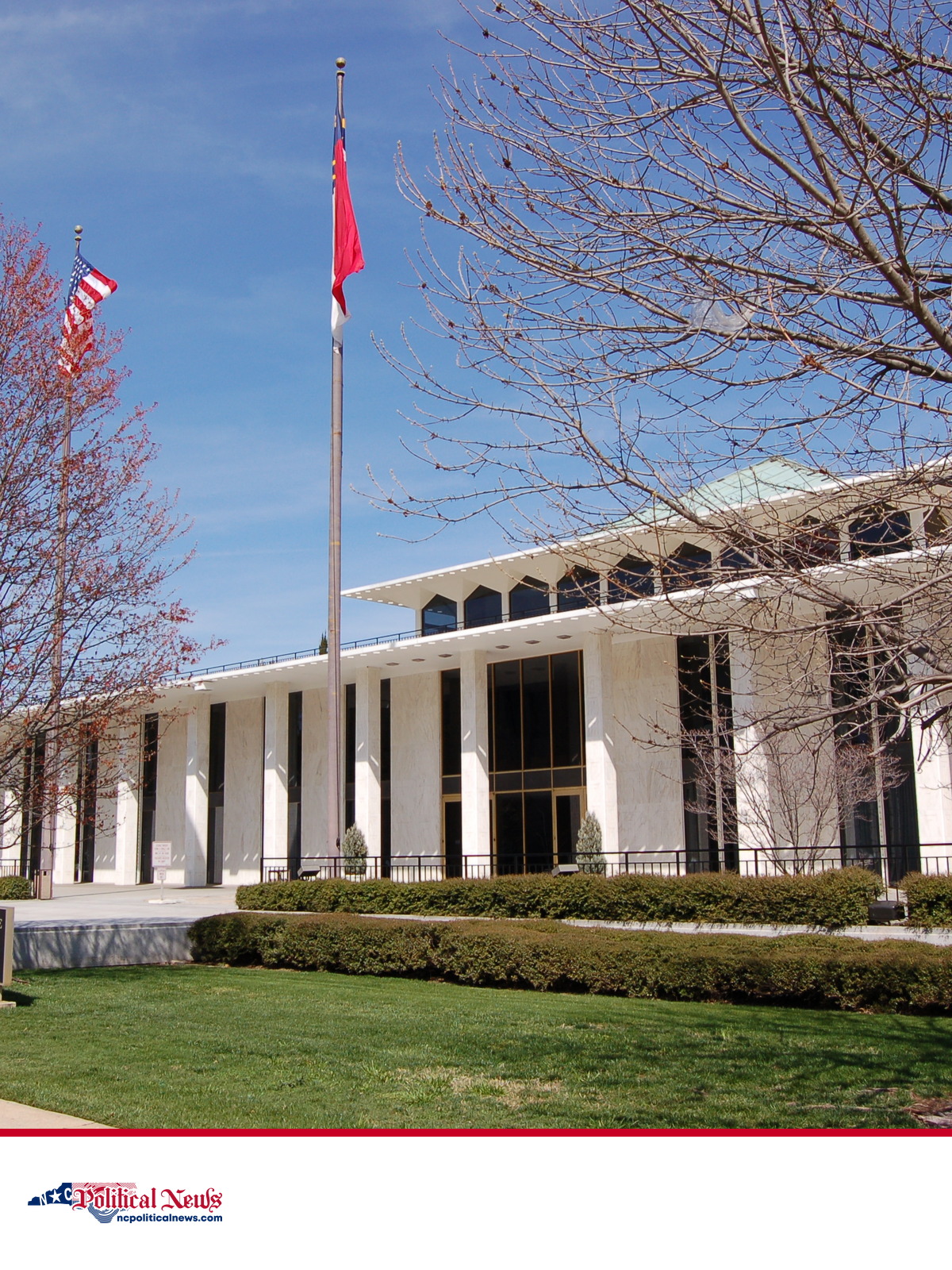
Photo Credit: Jmturner via Wikimedia Commons, public domain. North Carolina State Legislative Building in Raleigh, photographed March 21, 2008. Original 3008 x 2000 pixels. Source: https://commons.wikimedia.org/wiki/File:North-Carolina-Legislative-Building-20080321.jpeg.
Editor’s Note: This article was drafted with the assistance of artificial intelligence and was reviewed and fact-checked by a member of the NC Political News editorial team before publication.