Super PAC poll finds Cooper leading Whatley by 6.3 points
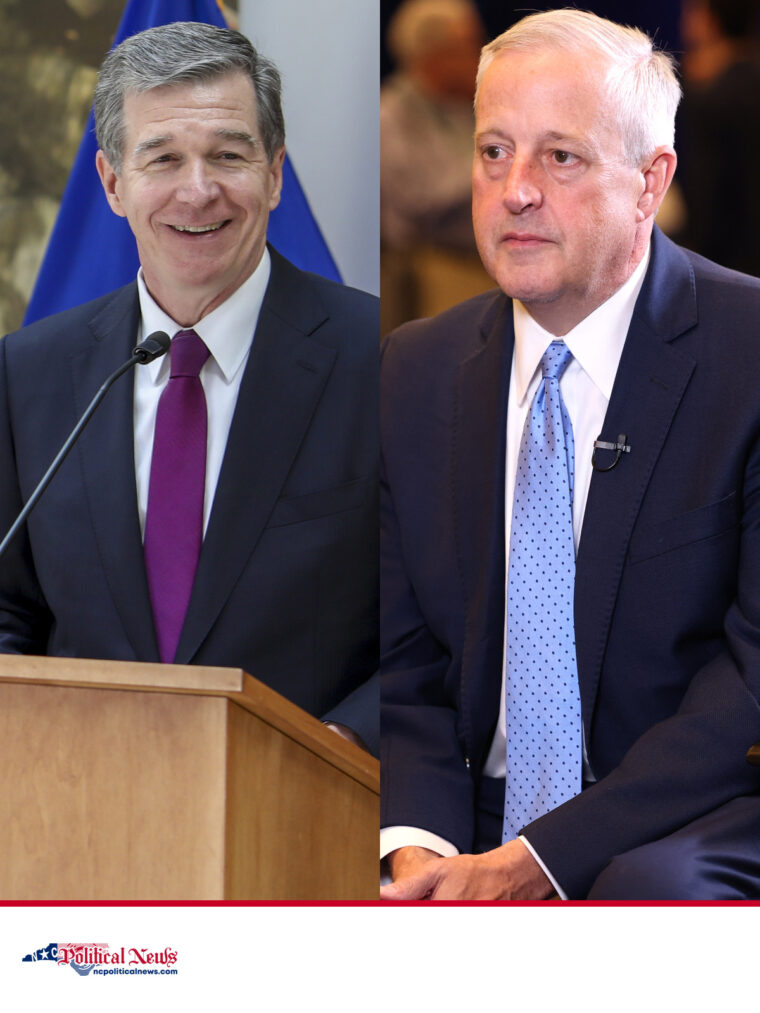
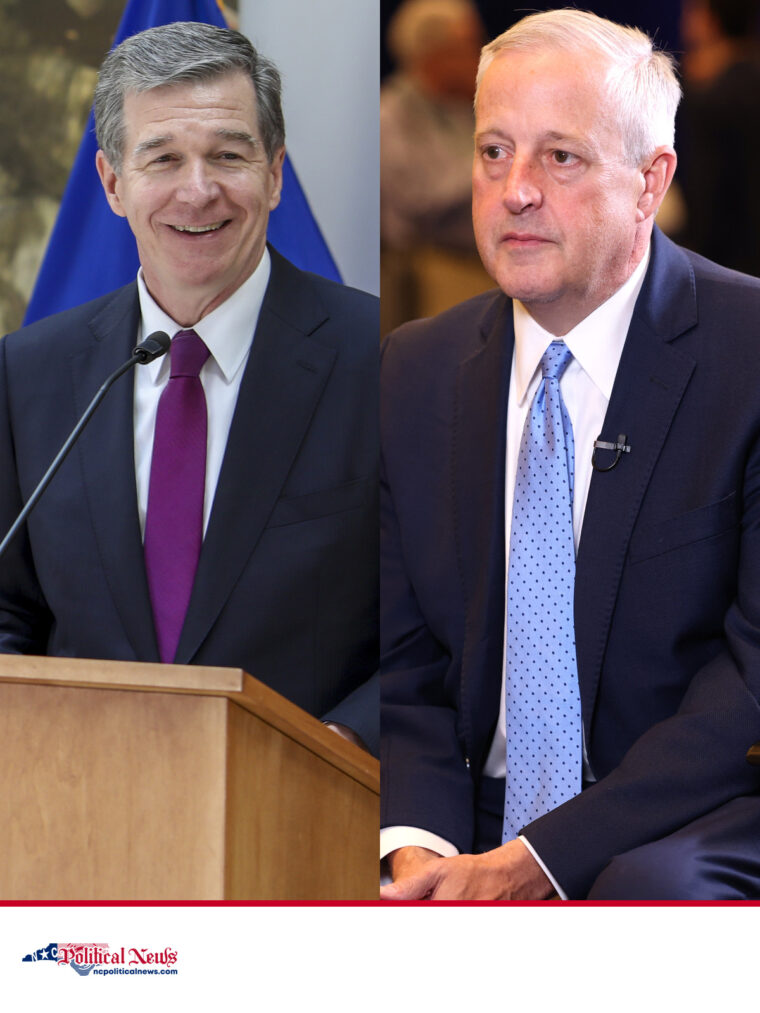
RALEIGH - A super PAC-backed poll released Oct. 25 found Democrat Roy Cooper leading Republican Michael Whatley by 6.3 points in North Carolina's U.S. Senate race.
RALEIGH - A super PAC-backed poll released Oct. 25 found Democrat Roy Cooper leading Republican Michael Whatley by 6.3 points in North Carolina's U.S. Senate race.
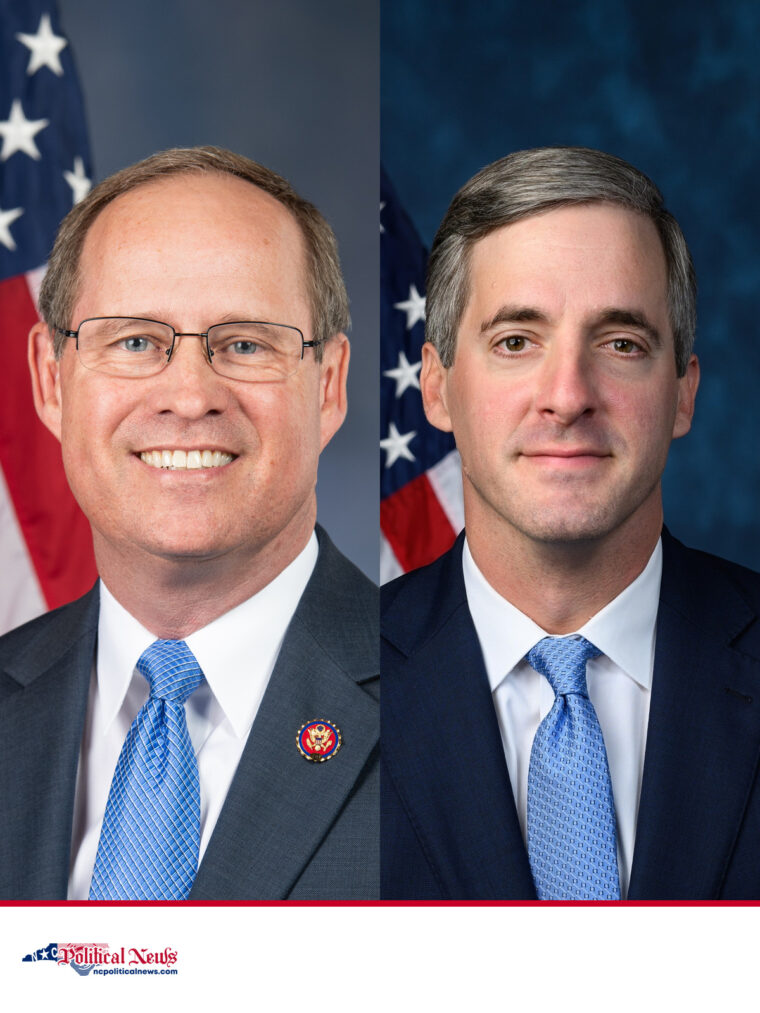
WASHINGTON - Cook Political Report moved North Carolina’s 3rd and 13th congressional districts from Solid Republican to Likely Republican in its latest U.S. House ratings update.
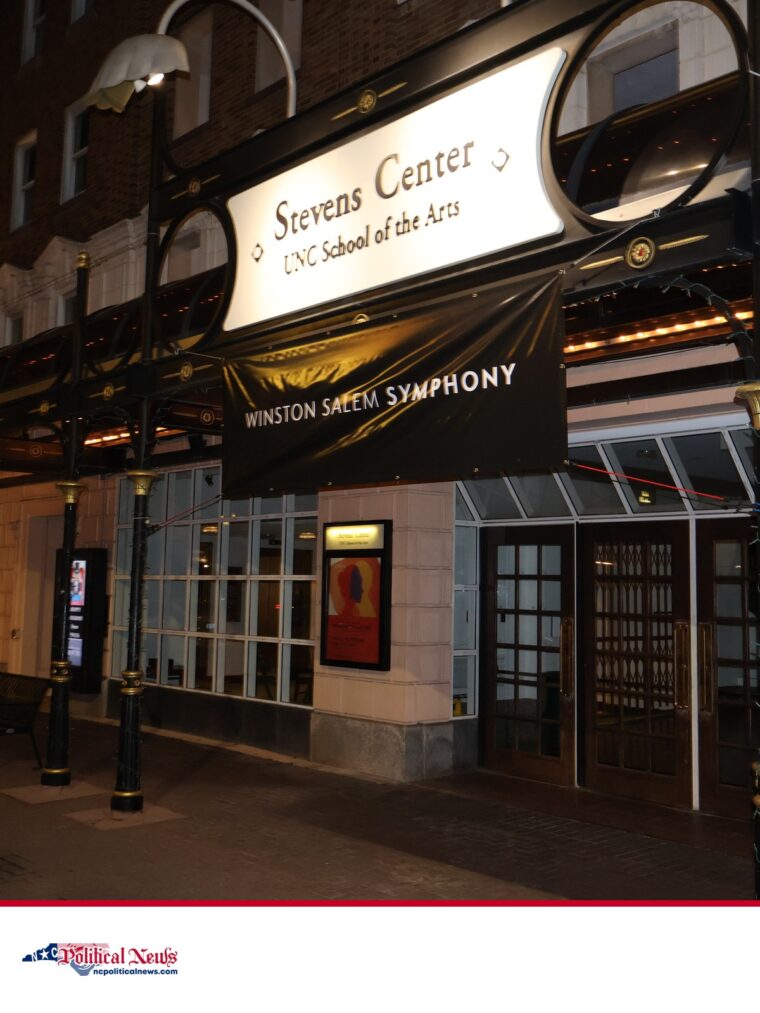
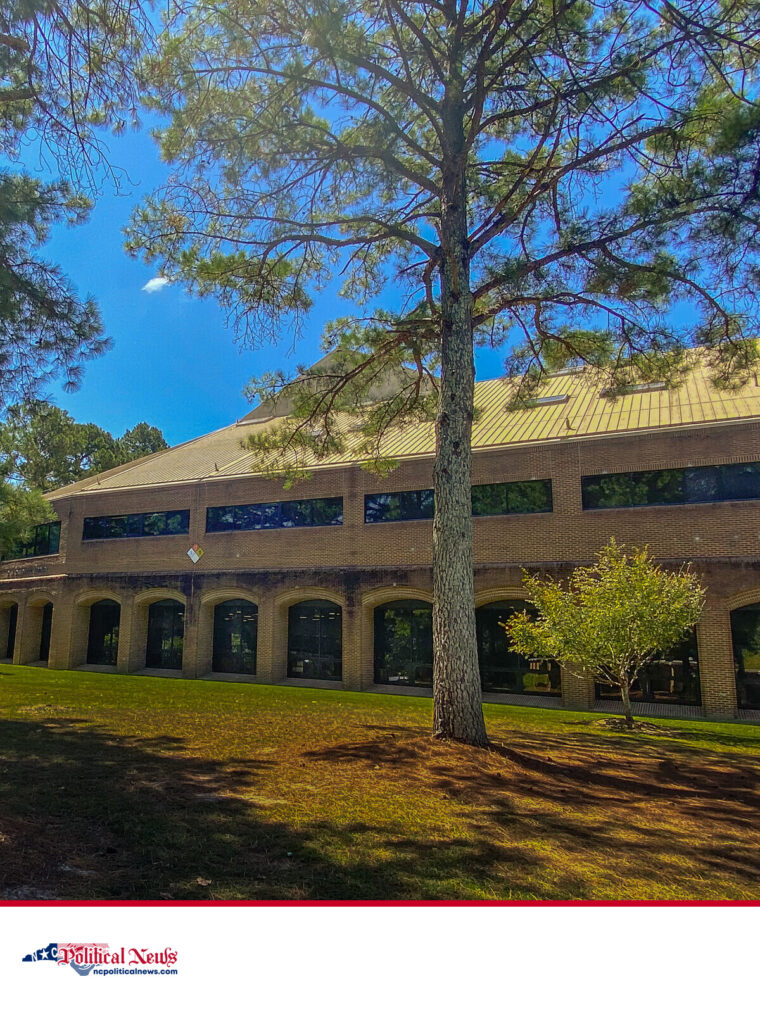
WINSTON-SALEM - A state audit found documentation gaps and three procurement-card transactions that did not comply with requirements at the University of North Carolina School of the Arts.
RALEIGH - The State Board of Community Colleges approved $1.94 million to add Access to Achievement workforce training at 10 more colleges, expanding the program to 25 campuses.
RALEIGH - North Carolina joined the Federal Trade Commission and 11 other states in a lawsuit seeking to block PlayPower’s proposed acquisition of rival playground-equipment maker BCI Burke.
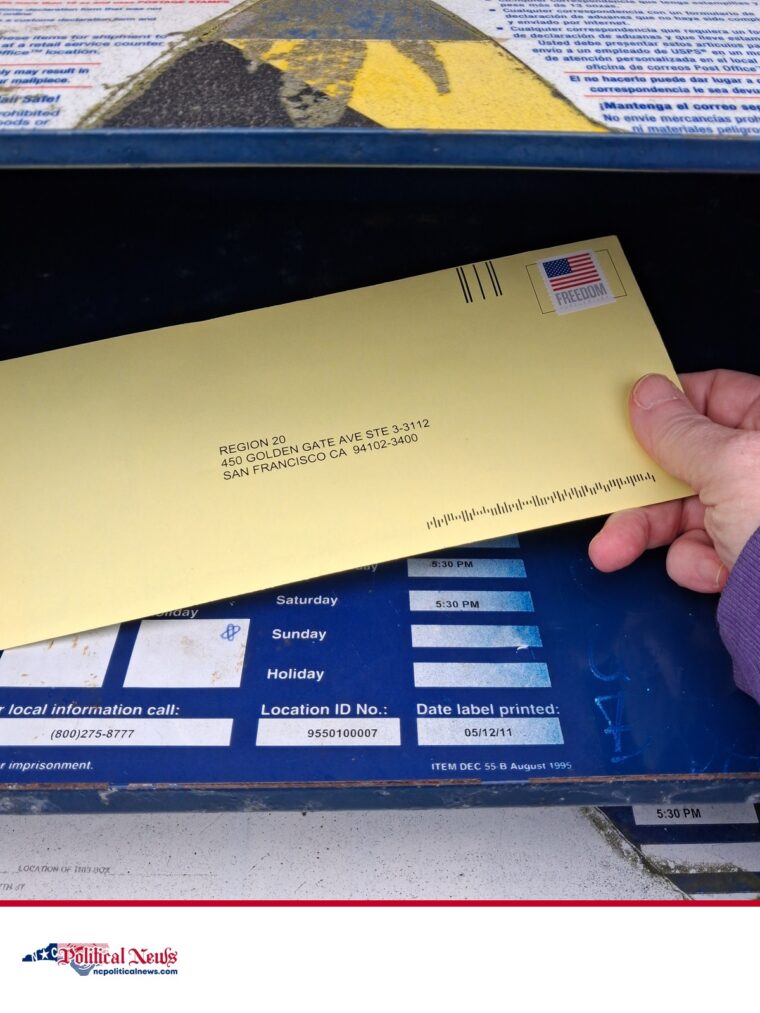
RALEIGH - Preliminary North Carolina State Board of Elections data show 3.1% of returned absentee-by-mail ballots in spoiled status at the current stage of the 2026 general election, up from 2.6% at the comparable point in 2022.
The Wake County Board of Commissioners just voted to approve Atrium Health, North Carolina’s largest hospital chain, merging with WakeMed, a move that left some state officials “profoundly concerned.”
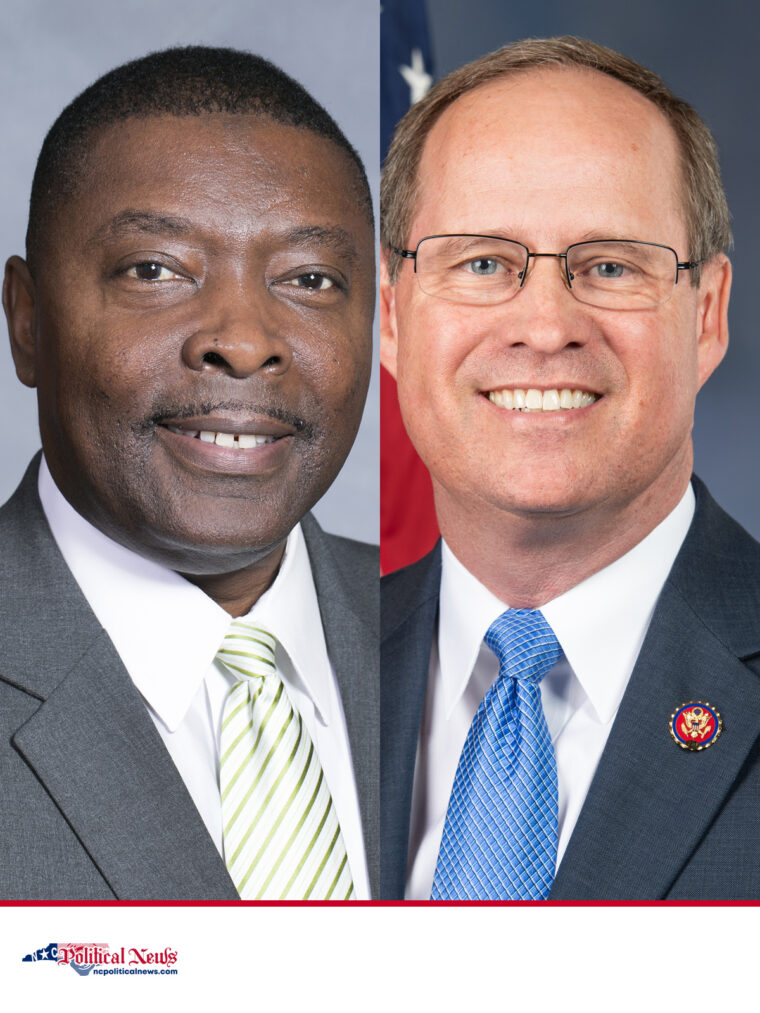
GREENVILLE - Republican U.S. Rep. Greg Murphy entered the closing stretch of the North Carolina 3rd District campaign with about $2.4 million in cash on hand, compared with $81,164.67 for Democratic challenger Raymond Smith Jr., according to FEC summaries through Sept. 30.
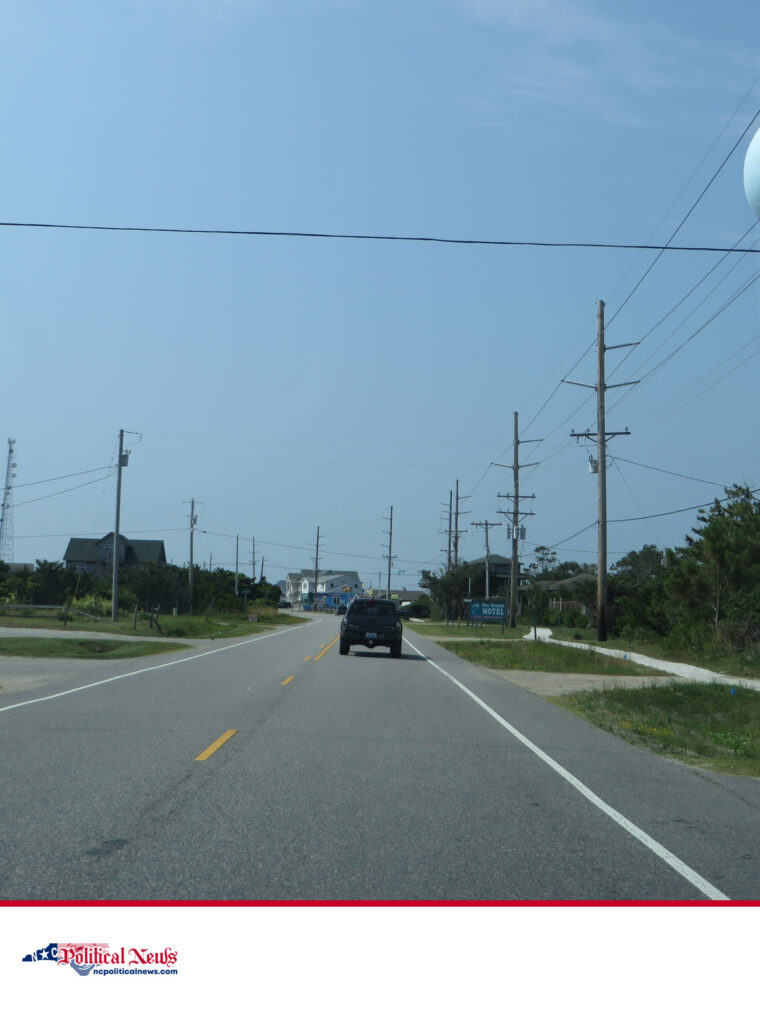
RALEIGH - Gov. Josh Stein declared a state of emergency Thursday in Dare and Hyde counties after back-to-back coastal storms damaged N.C. Highway 12, a step intended to coordinate repairs and support the state’s request for federal aid.
RALEIGH - A Carolina Journal poll released Oct. 22 found Democrat Roy Cooper leading Republican Michael Whatley 49.4% to 39.1% among 600 likely North Carolina voters, a narrower margin than in September.
FAYETTEVILLE - A state audit found that Fayetteville State University did not consistently administer its procurement-card program, identifying delayed reviews, missing records and purchases barred by university rules.
WASHINGTON - Sabato’s Crystal Ball has moved North Carolina’s 1st and 11th congressional district races from Toss-up to Leans Democratic in its Oct. 20 House ratings update.