
RALEIGH – A new North Carolina analysis finds domestic and family violence has remained steady even as other reported crimes against people declined, giving state officials fresh evidence for victim-service funding decisions as federal support shrinks.
The Criminal Justice Analysis Center’s October report examines law-enforcement records from 2020 through 2025, with more detailed victimization comparisons for 2023 through 2025. Its definition covers crimes against people involving at least one offender who is a current or former intimate partner or a family member.
Across the three-year comparison period, domestic and family violence accounted for 42% of reported victimizations in the offense categories analyzed. That share is not a count of convictions or an estimate of all violence, including incidents never reported to police.
More than 63,000 people were reported as victims of domestic or family violence in 2025. The report found that such violence accounted for a majority of murders of women and girls in each of the last two years. Women and adults ages 25 to 34 had particularly high reported victimization rates.
The findings have implications for public spending. The Governor’s Crime Commission administers federal Victims of Crime Act money for service providers. The Department of Public Safety said North Carolina received $41.5 million this year, compared with a $103 million peak in 2018.
In separate reporting published Friday, NC Newsline interviewed commission Executive Director Caroline Farmer, who said the analysis helps commissioners decide where grant money is needed. The outlet also interviewed a domestic-violence coalition representative about providers struggling with reduced funding.
The analysis relies primarily on the National Incident-Based Reporting System. Participating agencies have covered approximately 97% of the state’s population since 2020, according to the report. Those records describe reported victimizations, not necessarily unique people across incidents.
The new publication documents a continuing statewide policy challenge; it does not announce a new appropriation, establish that funding changes caused the crime trends or measure every case of domestic violence.
Sources
- NC Criminal Justice Analysis Center report
- NC Newsline, Oct. 30, 2026
- NC Department of Public Safety, Oct. 29, 2026
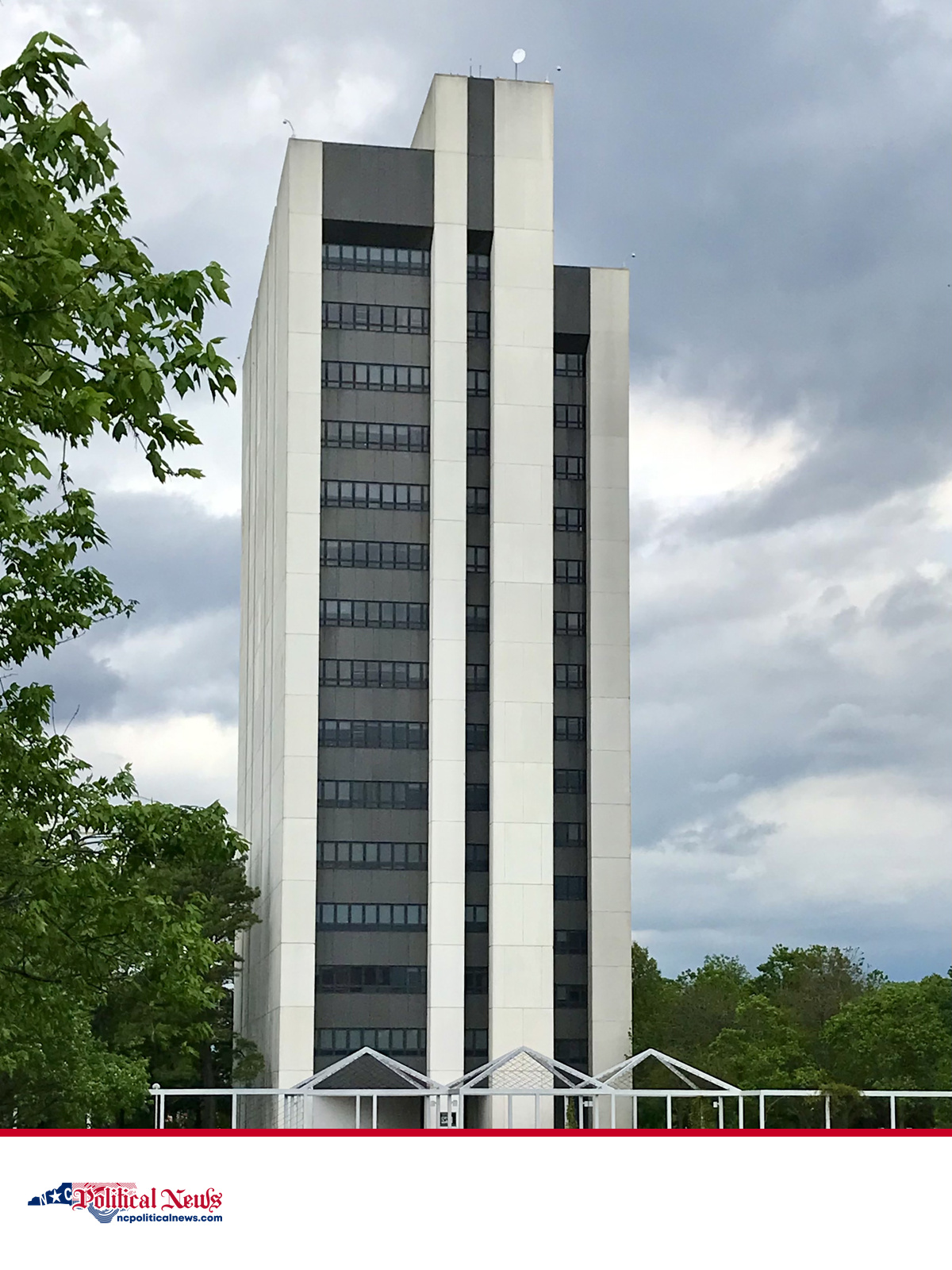
Photo Credit: File photograph of the Archdale Building in Raleigh, April 16, 2023, by Indy beetle, via Wikimedia Commons; CC0 1.0 public-domain dedication. Cropped and resized. Context photograph of DPS offices, not a crime scene or a photograph of a victim.
Editor’s Note: This article was drafted with the assistance of artificial intelligence and was reviewed and fact-checked by a member of the NC Political News editorial team before publication.