
RALEIGH – Gov. Josh Stein and North Carolina legislative leaders filed final reply briefs Friday in a state Supreme Court dispute over who controls appointments to appellate courts and powerful state boards.
The Oct. 30 filings sharpen competing views of the state constitution before arguments scheduled for Nov. 10 in Stein v. Berger and Stein v. Hall. They are legal arguments submitted by the parties, not rulings that resolve the challenges.
In his judicial-vacancy reply, Stein asks the justices to overturn a Court of Appeals decision allowing a 2024 law to limit his choices for Supreme Court and Court of Appeals vacancies. The provision requires selection from three nominees recommended by the departing judge or justice’s political party.
Stein’s lawyers argue that Article IV, Section 19 reserves the appointment process to the governor and prevents lawmakers from prescribing that partisan list. Their filing says the restriction is unconstitutional even if a governor happens to favor the eventual nominee.
Legislative leaders have defended the provision as a permissible way to define the pool of eligible appointees while leaving the final appointment with the governor. Carolina Journal’s Oct. 30 report describes that argument and the latest filings.
A separate reply from Senate leader Phil Berger and House Speaker Destin Hall addresses boards and commissions. Their lawyers ask the court to overrule two earlier separation-of-powers decisions and reject a requirement that the governor retain sufficient control over statutory bodies.
The legislative filing argues that distributing appointments among multiple officials can provide accountability and that the constitution does not guarantee the governor control of every board. It specifically seeks reversal of decisions blocking changes to the Board of Transportation, Commission for Public Health and Economic Investment Committee.
The stakes extend beyond an individual vacancy. The litigation concerns how North Carolina structures bodies that exercise public authority over transportation, health regulation and economic incentives, as well as the selection of statewide appellate judges.
The cases remain contested. The new briefs do not themselves change appointment procedures or establish that either side’s constitutional interpretation has prevailed.
Sources
- Governor’s Oct. 30 judicial-vacancy reply brief
- Legislative defendants’ Oct. 30 boards-and-commissions reply brief
- Carolina Journal: Oct. 30 filings report
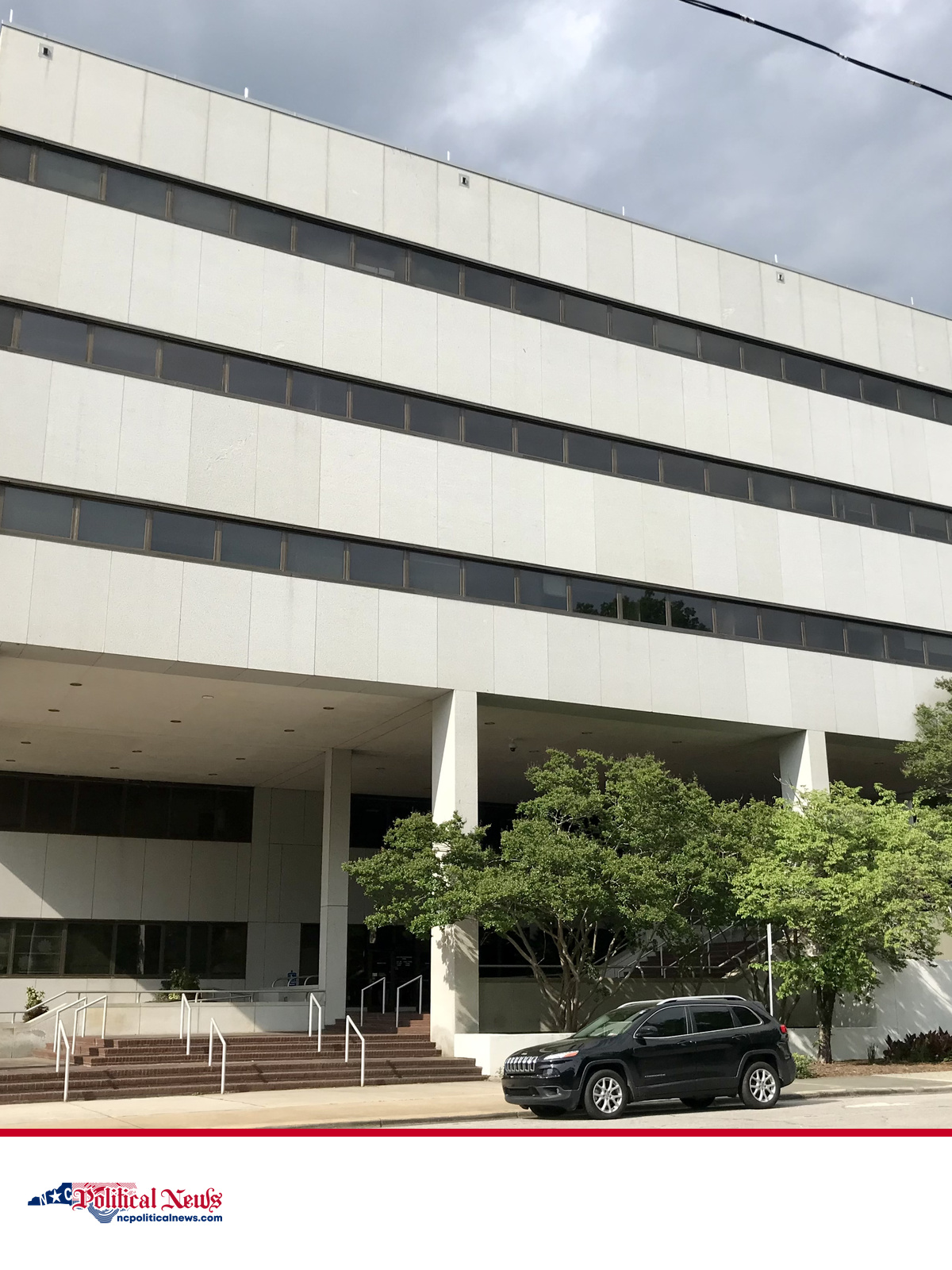
Photo Credit: North Carolina Legislative Office Building in Raleigh, April 16, 2023, by Indy beetle, via Wikimedia Commons; CC0 1.0 public-domain dedication. Cropped and resized. File photograph of legislative offices, not the Supreme Court or a current hearing.
Editor’s Note: This article was drafted with the assistance of artificial intelligence and was reviewed and fact-checked by a member of the NC Political News editorial team before publication.