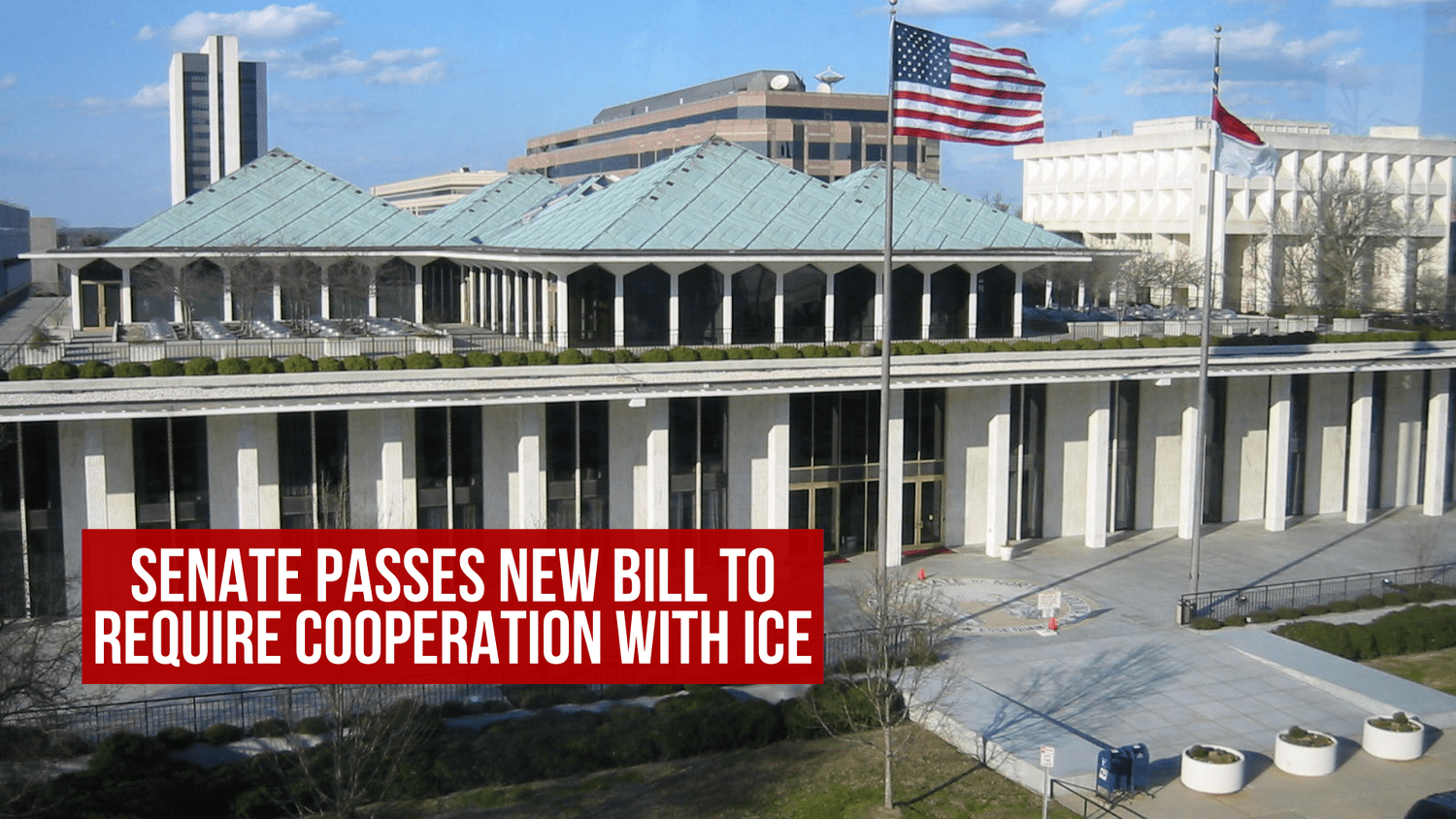
The state Senate has passed a new version of a bill that would require N.C. sheriffs to cooperate with U.S. Immigration and Customs Enforcement, two years after Gov. Roy Cooper vetoed a similar effort.
Called the “Students, Parents, Community Rights Act,” these bills would allow 50% capacity at outdoor sporting events. Until this week, these events were capped at 100 attendees per Cooper’s executive orders. His most recent order raised that to 30% capacity.
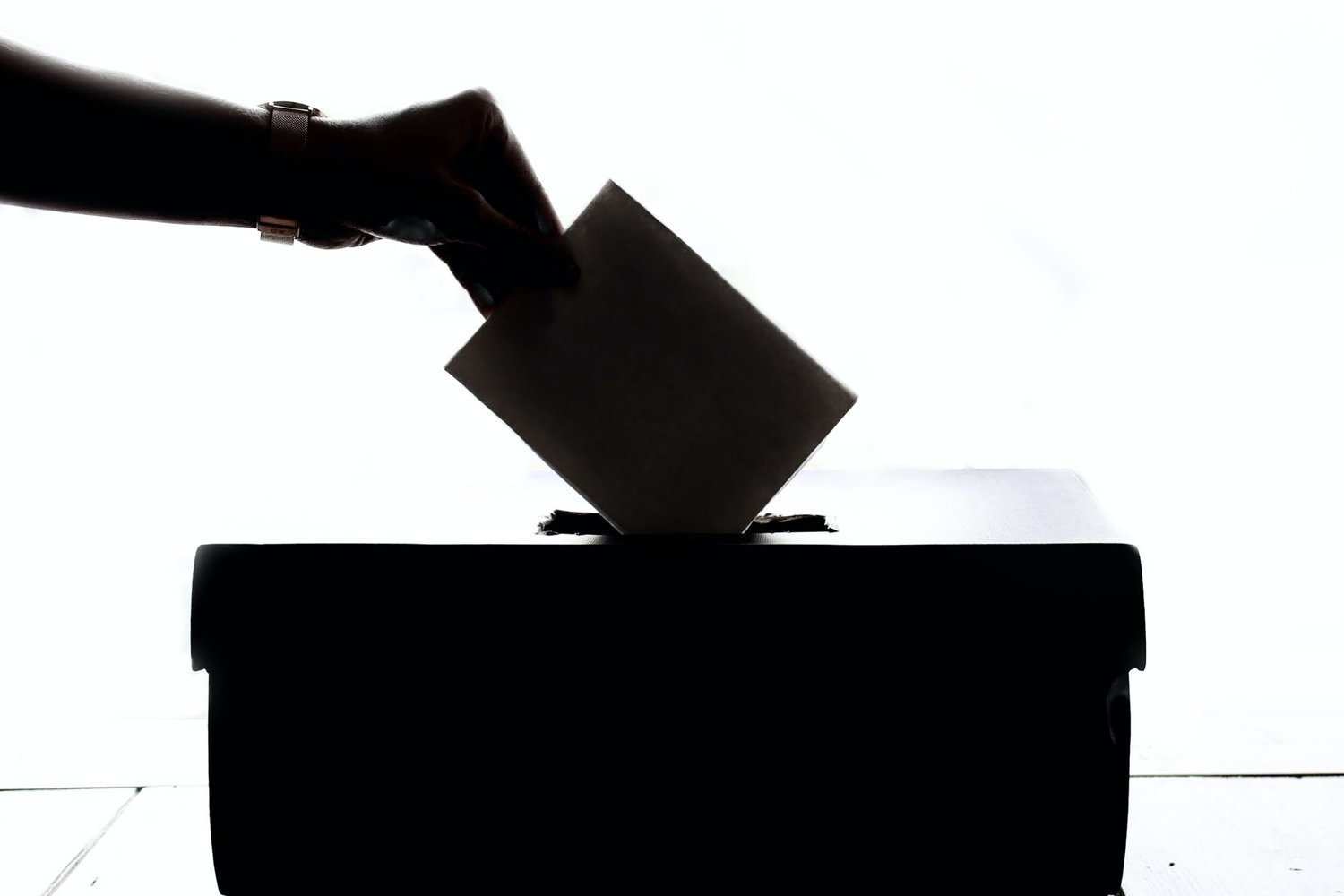
New restrictions on poll-watchers proposed by the State Board of Elections would make the logistics of maintaining election integrity much more difficult for N.C. political parties.
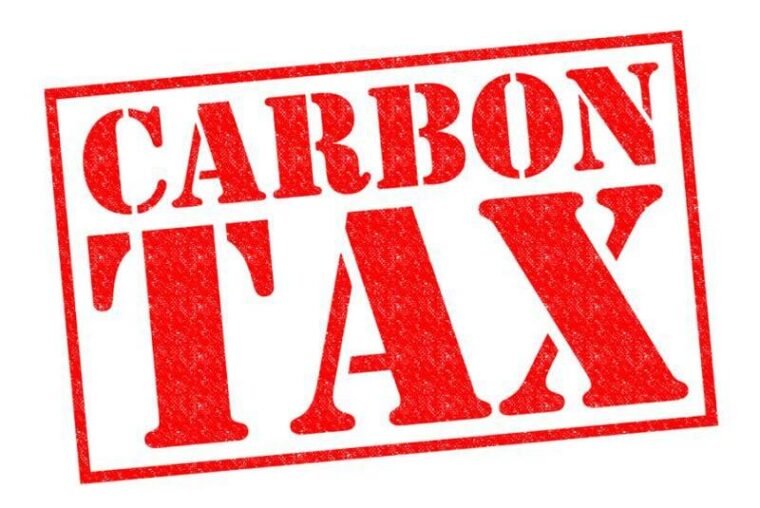
A former South Carolina congressman says it’s possible to get N.C. conservatives to back a carbon tax and other progressive climate change policies if the left uses an economic argument to do so.
With new U.S. Census data not expected until September, the State Board of Elections is recommending moving all of this year’s municipal elections to 2022.
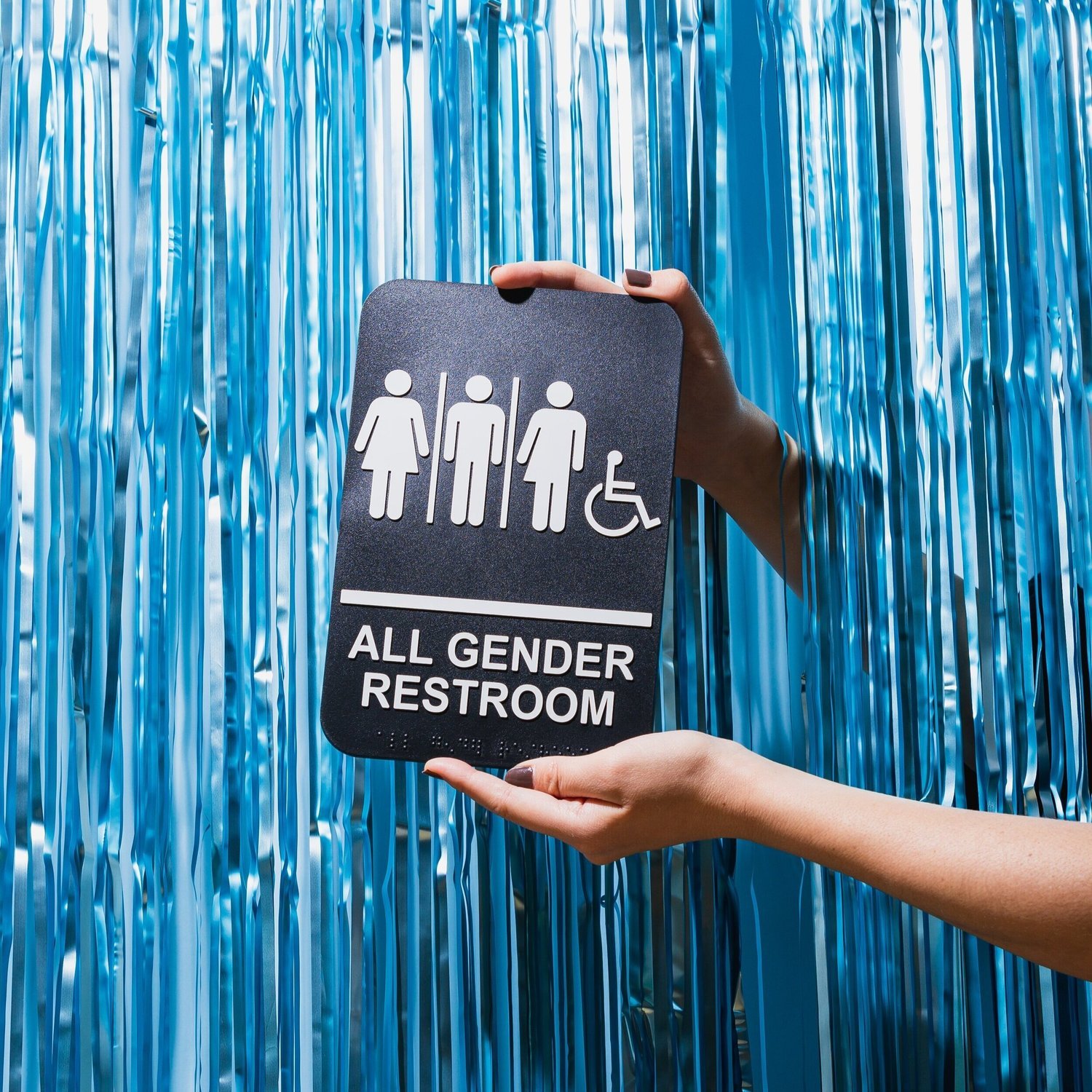
Five years after House Bill 2 put North Carolina at the center of national controversy, cities in the state’s liberal enclaves are once again discussing discrimination and the LGBT community. Six cities and counties in North Carolina have passed ordinances that designate sexual orientation and gender identity as protected classes, and LGBT advocates are now pushing two dozen more to follow suit.
The Democrat-controlled N.C. State Board of Education approved Thursday, Feb. 4, a sweeping rewrite of the state’s social studies standards that will now teach nearly every aspect of American history through the lens of racism and discrimination.
The N.C. General Assembly passed a bill Thursday, Feb. 4, that provides more than $2 billion in COVID aid across the state, most of it to public schools. The bill now heads to Gov. Roy Cooper, who held a press conference Thursday calling for hundreds of millions in more spending.
As courthouses begin to reopen across North Carolina, the state’s judicial branch office is preparing to request millions of dollars in funding to help keep them open.
Through one of Donald Trump’s final acts as president, former N.C. Republican Party chairman Robin Hayes became one of the most prominent North Carolinians to receive a presidential pardon.