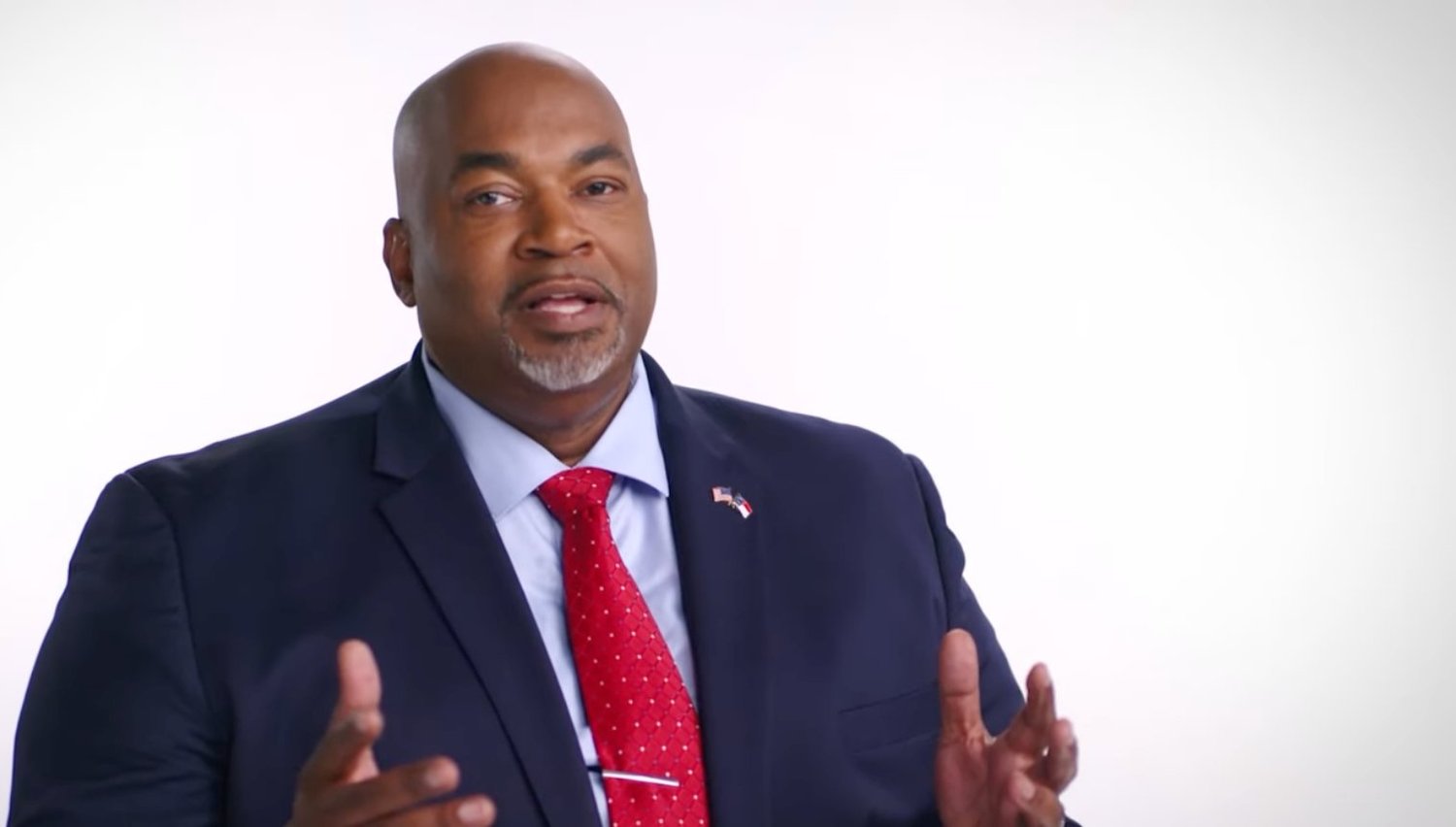
Mark Robinson, North Carolina’s Republican lieutenant governor, has just endorsed U.S. Rep. Ted Budd over former Gov. Pat McCrory in the GOP primary for U.S. Senate. In a new ad promoting Budd’s candidacy, Robinson speaks directly to the camera. “Pat’s a nice guy — but he’s no conservative,” Robinson says, alleging among other charges that “Pat put liberals in charge of state textbooks.”
I’m a conservative without a conversion story. Plenty of others have such a tale — they read a certain book, had a certain teacher, or somehow became disenchanted with their previous, left-leaning views.
Some partisans I know insist political allegiances are so rigid that elections have become little more than turnout contests. Whichever party gets its base out wins. Persuadable swing voters used to exist in significant numbers, they concede, but are now about as hard to find as Bigfoot.
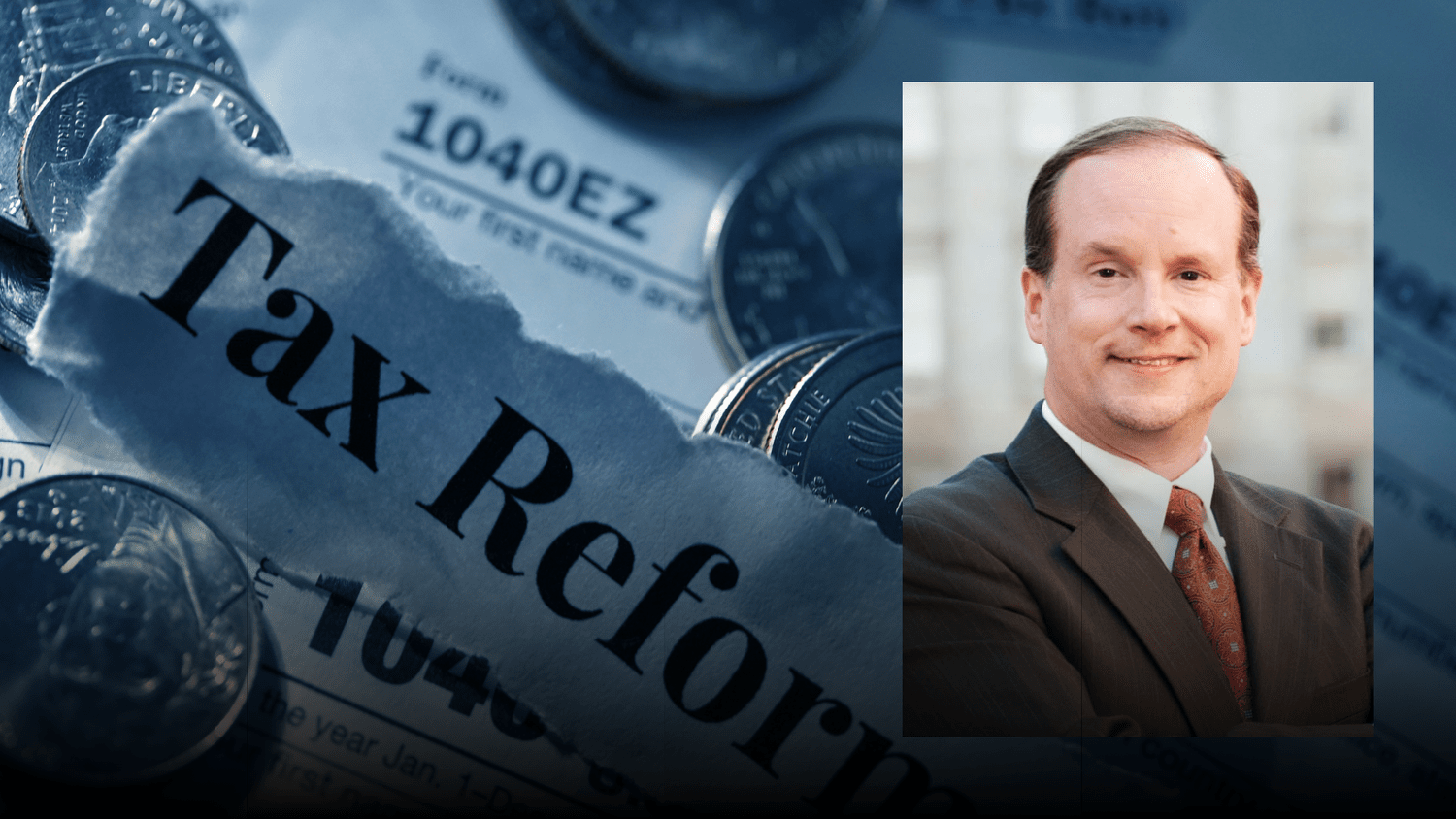
Over the past decade, North Carolina’s tax code has undergone a dramatic transformation. Once rated by the Tax Foundation as having one of the nation’s worst business-tax climates, our state now has one of the best. Our top marginal tax rate on personal income, once the highest in the Southeast at 7.75%, is now 4.99%
It’s an often-repeated tale, I admit, but I’m going to repeat it, again: the world’s largest low-rise office building, the Pentagon, was built in 16 months. Can you imagine a project even a tenth the size of the Pentagon being constructed that quickly today?
Although the definition and priorities of American conservatism have been the subject of much debate among the chattering classes in recent years, most actual American conservatives will readily tell you what unifies their sometimes-raucous ranks: freedom.
As post-COVID shifts in work arrangements and living preferences continue to motivate many Americans to relocate, North Carolina will continue to be a popular destination. Indeed, we can attract even more professionals, families, retirees, and other folks to our state if we lean into one of our competitive advantages: housing options.
How should North Carolina be governed? The same question can be asked about any other state in America, or any other country in the world. It’s a critical question. It lies at the heart of every political dispute you can think of, from education reform and environmental protection to tax policy and economic development.
It costs a lot more to train a future engineer than to train a future journalist. Some smart aleck might suggest the cost differential is entirely understandable, since a poorly trained engineer will tend to wash out of her profession while a poorly trained journalist might well rise to the top of his.
The North Carolina General Assembly is going to stay in Republican hands after the 2022 midterms. For state Democrats, this is a bitter pill to swallow. That they’ve already managed to swallow it, however, is evident in their manifest failure to recruit enough candidates to put up a credible fight this year for control of the legislature.