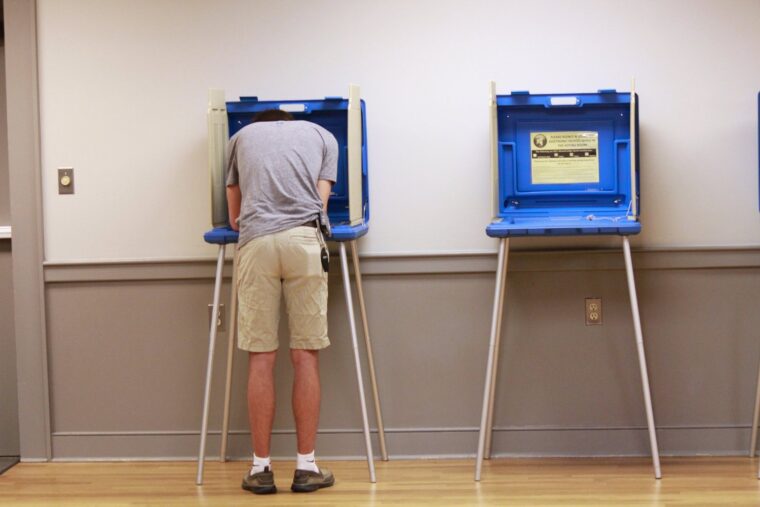
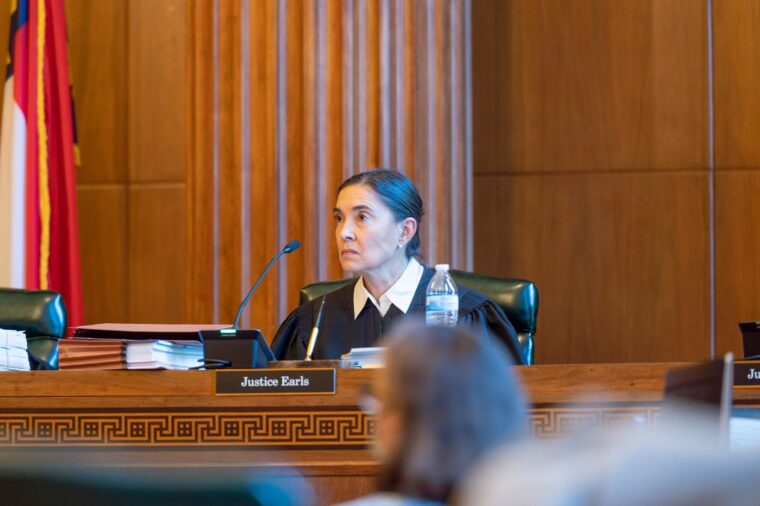
The N.C. Court of Appeals has issued a temporary stay in a case dealing with felon voting in North Carolina. The stay blocks any felons from registering to vote until appeals in the case are resolved.
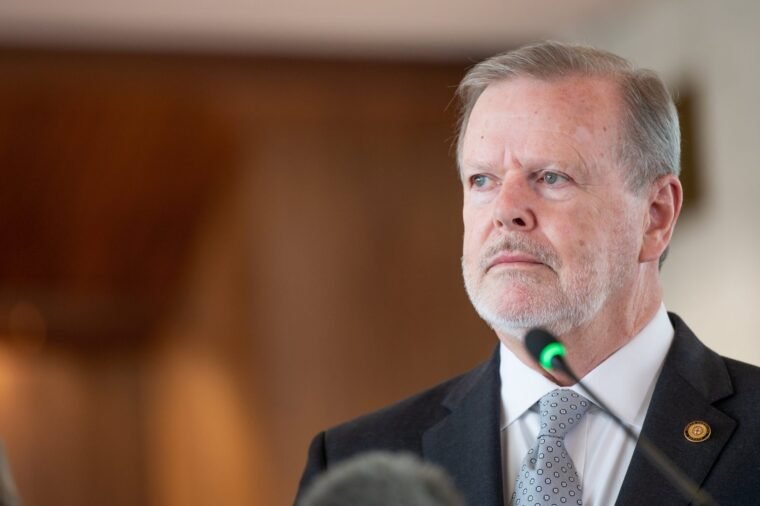
Fans of Medicaid expansion in North Carolina have been touting a recent change in attitude from the Senate’s top officer. He has dropped his steadfast opposition to expansion.
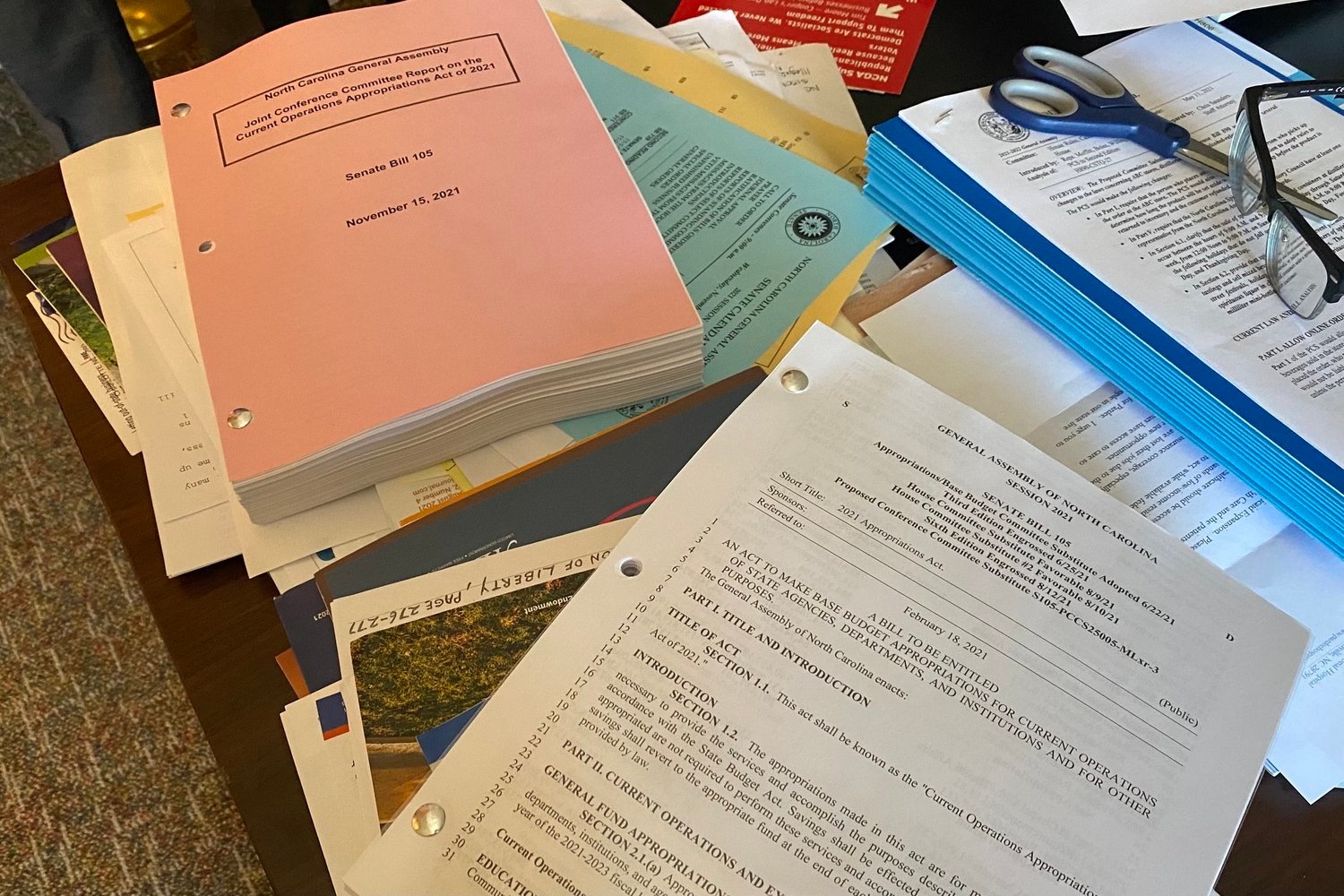
State officials report that close to $800 million remains unfunded from a judge's $1.7 billion state education spending order. That assessment resulted from a court-ordered comparison of the spending plan and the new state budget.
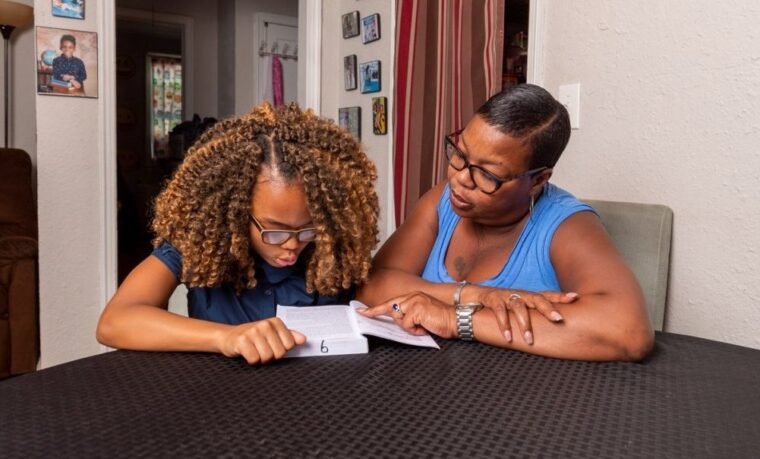
The legal fight over North Carolina's Opportunity Scholarship Program focuses now on whether a single judge or a three-judge panel should hear the case. Lawyers for the state and the scholarships' parent supporters have filed new briefs supporting the three-judge option.
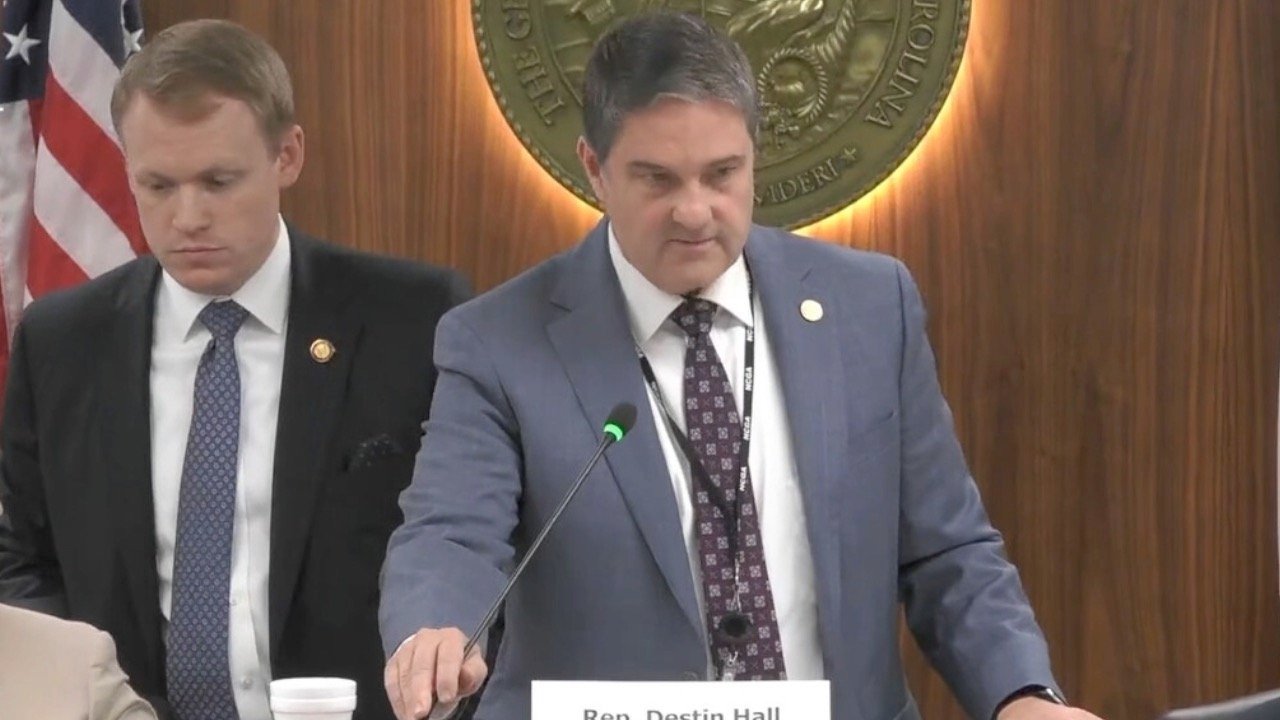
State legislative leaders want the N.C. Court of Appeals to block a ruling that could add 56,000 felons to the state's voting rolls. A trial court issued the ruling Monday. It would open up voting to felons on parole, probation, or other post-release supervision.
A national group that focuses on election integrity issues is calling for North Carolina to clean up its voter rolls before the 2022 election. The group's latest report points to multiple areas that merit state election officials' attention.
North Carolina's 2018 voter ID law complies with the state constitution and should survive a legal challenge. That's according to briefs submitted in the N.C. Supreme Court from state legislative leaders and the N.C. Justice Department.
The fight over $1.7 billion in court-ordered N.C. education spending is heading to a new judge. Court records confirm that the long-running legal case known as Leandro is heading to Special Superior Court Judge Michael Robinson.
A unanimous three-judge panel of the N.C. Court of Appeals has ruled Greenville's red-light camera program unconstitutional. The judges agreed the program does not provide enough of its proceeds to local schools.
The N.C. Supreme Court has ruled, 4-2, that 220,000 state government retirees had a contractual right to premium-free health care benefits that had been promised to them. Now a trial court will have to determine whether state changes to those benefits a decade ago violated the contract.