Decisions about education are some of the most important decisions families – and therefore state leaders – make. Just as parents consider the many school choices available in North Carolina, lawmakers are making choices about where to put our taxpayer dollars to yield the best outcomes for our children.
North Carolina’s traditional public schools are represented by 115 county and city school districts. For almost 100 years since the Great Depression and the Machinery Acts of 1931 and 1933, the State of North Carolina has provided the preponderance of financial support for most of the public school employees in these school districts.
On May 23 the University of North Carolina System Board of Trustees voted to repeal its Diversity & Inclusion Policy in favor of “institutional neutrality.” This new policy, which was introduced in April, will remove funding for DEI offices and eliminate various diversity-related positions across the 17 UNC System schools. Chancellors will be required to report cuts to existing jobs and DEI spending by September 1.
Billy Graham was known the world over—not bad for a Southern Baptist preacher from North Carolina. Many of us feel some connection with the famed evangelist either directly or indirectly.
In 1993 Robeson County residents had a median income of approximately $21,000. Respectively, in 2022, residents of Robeson County, NC had a median income of approximately $35,000. This is the county I grew up in and this county remains one one of North Carolina's poorest counties.
As inflation squeezes our wallets, concerns over the cost of healthcare loom large for North Carolina families. A recent survey showed that 54% of state residents worry about affording medications, with nearly a third resorting to skipping doses or refusing to fill prescriptions to save money.
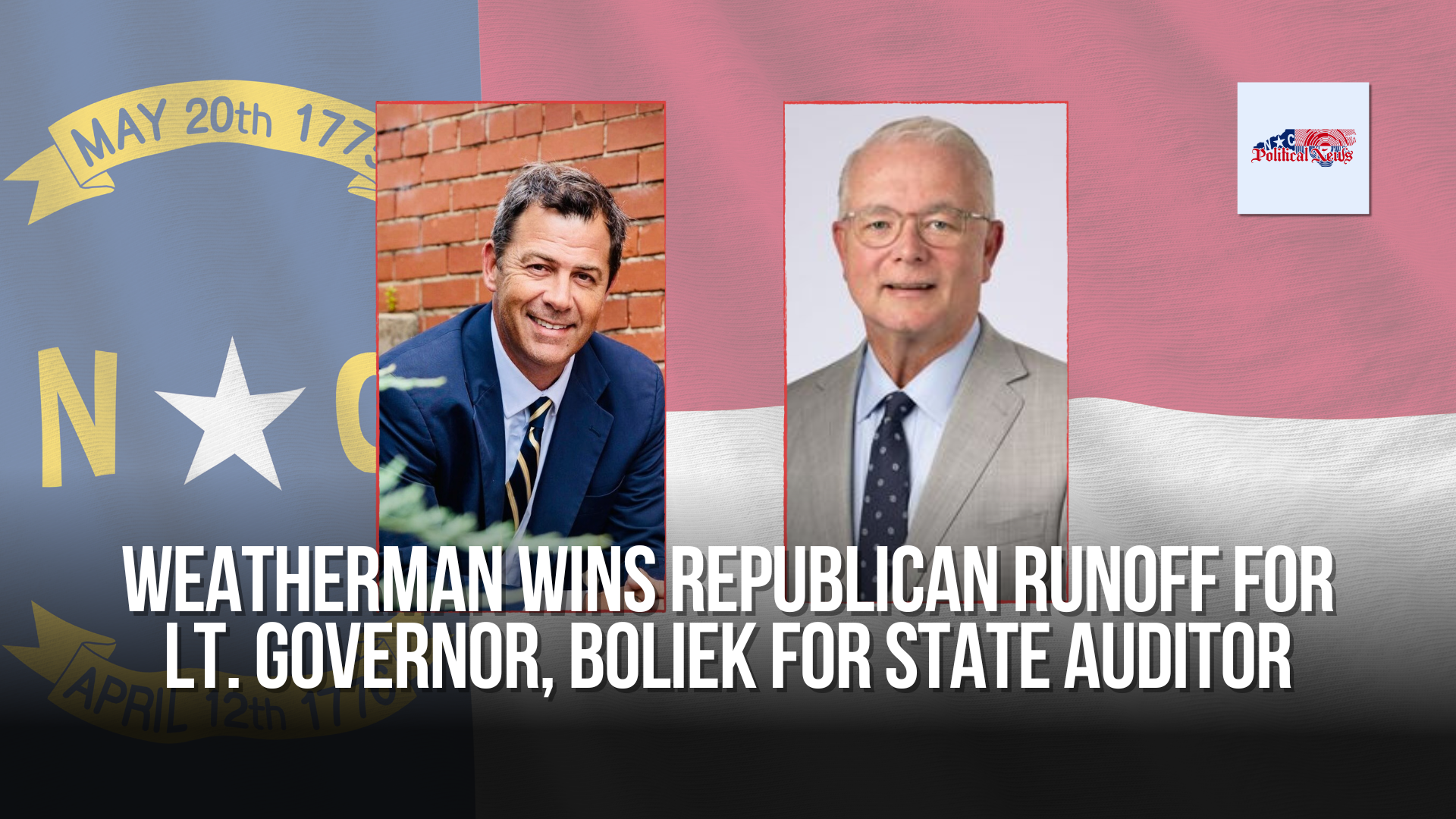
Political strategist Hal Weatherman won the Republican runoff for North Carolina lieutenant governor, defeating Forsyth County District Attorney Jim O'Neill with 74% of the vote. Dave Boliek secured the primary win for State Auditor.
In a small church on the outskirts of Smithfield on a Sunday afternoon, people are comparing light bills. One woman reports that her electrical costs could reach $700 in the summer when she ran the air conditioning; another tells the story of losing power after a hurricane and being unable to afford reconnection fees on her preschool teacher salary.
The debate surrounding immigration and border security dominates in Washington, yet Congress has little to show for it. Protecting our border and reintroducing law and order to our broken immigration system should be goals shared by every one of our elected officials.
In the mosaic of domestic economic vitality, American businesses are the mortar holding our country together. Small businesses, in particular, are responsible for two-thirds of all newly created U.S. jobs, yet they are the most vulnerable to economic shifts and have faced unprecedented challenges in recent years – from lingering effects of the COVID-19 pandemic to persistent supply chain disruptions.
North Carolina’s role as the innovation state is becoming more apparent with each passing year. Our state’s elected officials, business leaders, academic institutions and technology minds have united to position the Tar Heel State among the most impactful innovation hubs in the nation.
As our state’s March 5th presidential primary approaches, North Carolinians will be faced with an important choice. After the last few years of record inflation thanks to wasteful government spending, a broken immigration system, and the American energy spigot being turned off, it’s obvious that the Biden administration is not up to the task of effectively leading our country.