Each year, nearly 70,000 North Carolinians receive the devastating news that they have cancer. In rural communities, where access to preventive care and cancer screenings is comparatively limited, diagnoses are often made later, when the disease is harder to treat and more costly. The burden of cancer is alarmingly high in our state, and it's hitting rural families hardest.
U.S. Senator Ted Budd (R-N.C.) applauded the U.S. Environmental Protection Agency (EPA)'s recent allocation of $409.4 million to the North Carolina Department of Environmental Quality (NCDEQ) for public water systems. This funding will improve local drinking water utility infrastructure so systems across the state are better equipped to withstand natural disasters.
Halee Hartley is the owner of a preschool with three locations in Boone and has a master’s degree in educational psychology. Kid Cove does not bring in enough money for Harley to pay herself a salary, so she works a second job as a property manager.
North Carolina State Auditor Dave Boliek called for the separation of the North Carolina Department of Motor Vehicles from the Department of Transportation in an audit report released Monday.
Just a few weeks ago, WakeMed in Raleigh reported a surge in heat-related emergency cases, including three children. They weren’t alone. Hospitals across North Carolina have been overwhelmed this summer, not just by record temperatures, but by the growing pressure to do more with less.
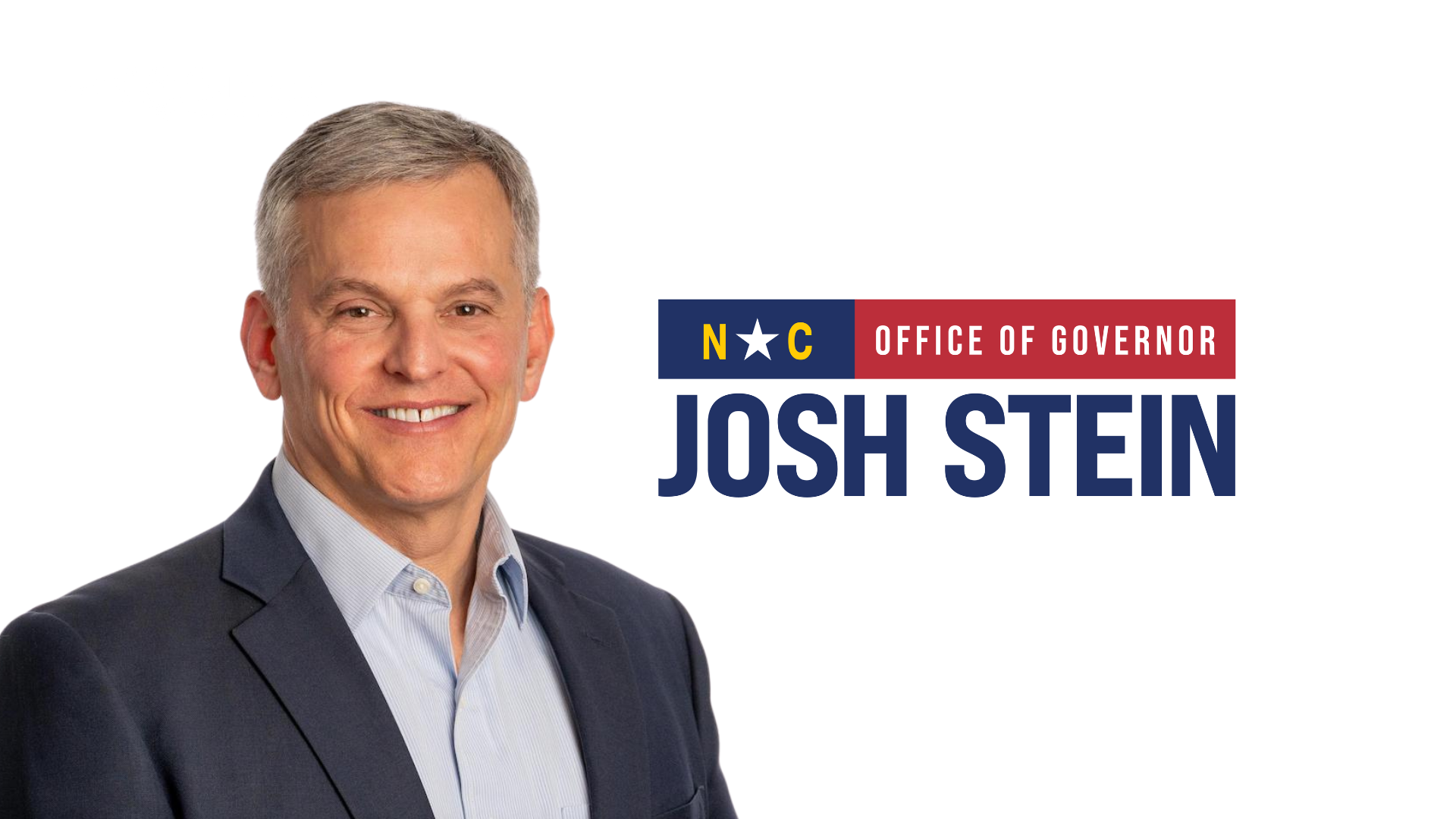
(RALEIGH) Today at Fayetteville Technical Community College, Governor Josh Stein announced that North Carolina is becoming a Do Your Part State, a joint initiative between Blue Star Families and the National Governors Association. Recognizing that community support for military families is crucial to military recruiting and readiness, this initiative helps states identify, prioritize, and implement the most effective policies and programs to support military families.
U.S. Senator Ted Budd (R-NC) joined Senator Katie Britt (R-AL) and 20 other Republican senators in introducing legislation that would ban noncitizens from voting in elections held in Washington, D.C.
An effort to keep state dollars in North Carolina came to fruition today at the N.C. Capital Facilities Finance Agency (NCCFFA) meeting. This group, chaired by State Treasurer Brad Briner, adopted new guidelines earlier this year aimed at making it easier for nonprofit institutions, particularly schools, to issue bonds in North Carolina. Today, two schools used the flexibility afforded by that policy change to bring projects before the NCCFFA and the Local Government Commission.
Washington, D.C. — U.S. Senator Ted Budd (R-N.C.), Senator Tim Scott (R-S.C.), and Rep. Ralph Norman (R-S.C.-5) recently led a bicameral, bipartisan coalition of 84 of their fellow federal lawmakers in sending a letter to Secretary of Labor Lori Chavez-DeRemer urging the Department of Labor to roll back enforcement of Biden-era regulations that have dramatically increased costs for American farmers. Rules increasing the complexity of the H-2A visa program have increased deficits for farmers and created obstacles for producers seeking to enroll in the program.
Washington, D.C. — U.S. Senator Ted Budd (R-N.C.) recently led a group of Senate colleagues in urging Secretary of Commerce Howard Lutnick to probe allegations made by U.S. officials that DeepSeek Artificial Intelligence has provided support to the People’s Republic of China’s military and intelligence operations. The letter requests that the Department of Commerce investigate these allegations and thoroughly review threats posed by other Chinese open-source models that may be feeding information back to servers with ties to the Chinese government.
Washington, D.C. — U.S. Senators Ted Budd (R-N.C.) and Mark Kelly (D-Ariz.) introduced the bipartisan Seized Iranian Arms Transfer Authorization (SEIZE) Act to authorize the use of Presidential Drawdown Authority to transfer confiscated Iranian weapons seized in transit to terror proxies like the Houthi’s in Yemen to U.S. partners for their use. The SEIZE Act would bypass a potentially year-long legal process for the distribution of captured Iranian weapons and equipment held by U.S. CENTCOM, allowing it to be sent directly to U.S. military partners around the globe.