Addressing the N.C. Chamber of Commerce Government Affairs Summit, State Senate leader Phil Berger, R-Rockingham, said the more than $4.5 billion surplus tax revenue North Carolina has in its coffers is both a “blessing and a curse.”
The N.C. High School Athletic Association (NCHSAA) has no written contract or agreement with the State of North Carolina or the Department of Public Instruction to oversee the management of high school sports in North Carolina and has the largest cash reserves of any such organization in America.
N.C. Superior Court Judge David Lee, the presiding jurist in the decades-long Leandro lawsuit, said at a hearing Tuesday, April 13 that he won’t tell lawmakers how to spend money on public education.
Epidemiologists and infectious disease experts have consistently maintained that the risk of spread of the COVID-19 virus among young children is low. But that hasn’t stopped policymakers like N.C. Gov. Roy Cooper from — for most of the past year — keeping in-person instruction closed for all K-12 students. Many families have suffered as a result.
Gov. Roy Cooper on Friday, April 9, signed two bills into law designed to help students who lost more than a year of in-person learning because of the pandemic and subsequent lockdowns.
Public school teachers in North Carolina receive an average annual salary of $53,392 for the current school year, according to the latest figures from the N.C. Department of Public Instruction. That puts the state second best in the Southeast — behind Georgia — in average teacher pay.
Two bills sitting on Gov. Roy Cooper’s desk are designed to remediate learning losses for K-12 students left behind by classroom closures caused by the COVID-19 pandemic.
On March 31, the North Carolina Senate passed the hugely controversial SB 387, titled the Excellent Public Schools Act of 2021, by margin of 48 senators in favor, none opposed.
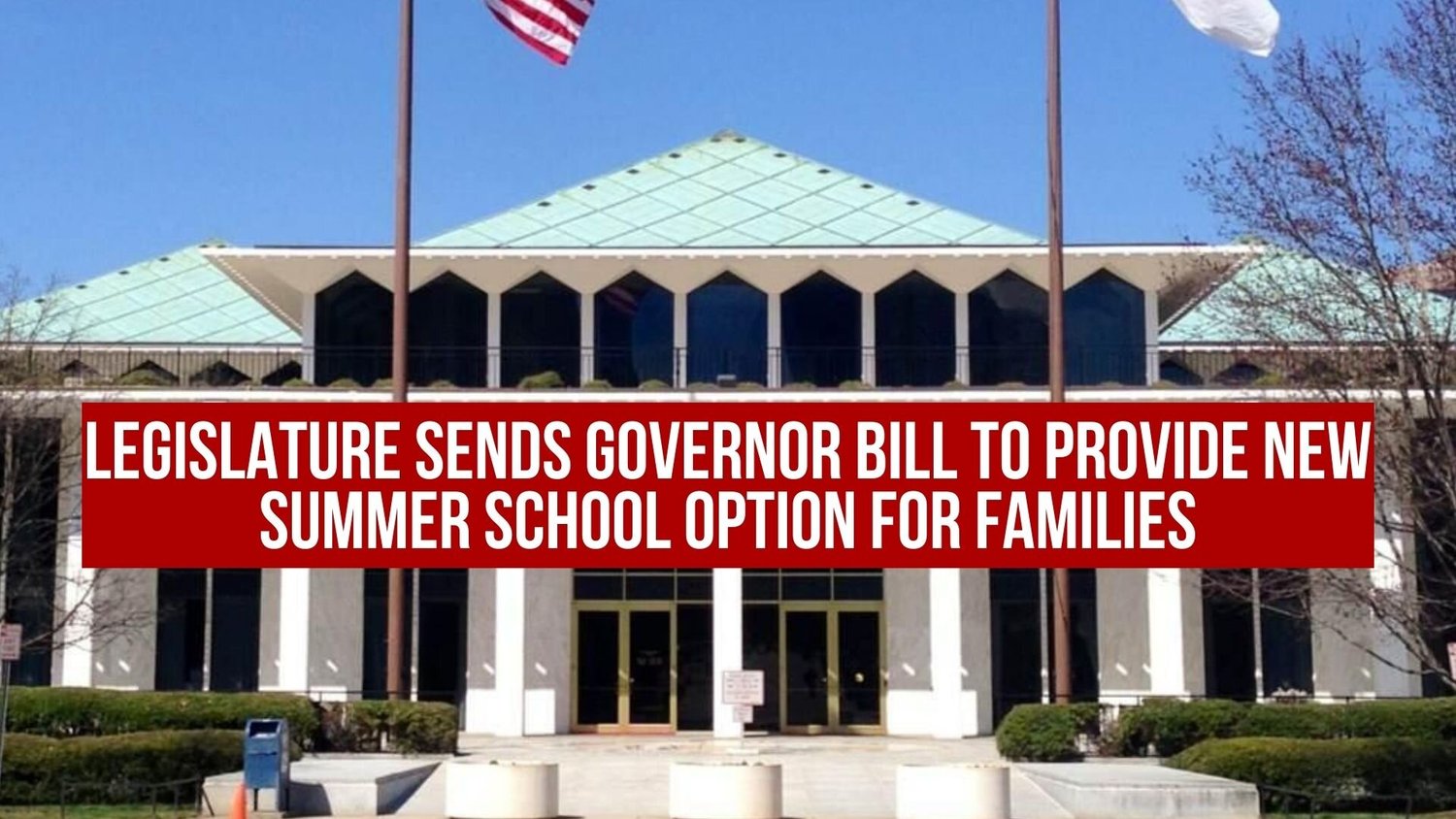
Raleigh, NC – Today, the General Assembly gave unanimous approval to legislation to create a new summer school option for students who have fallen behind due to remote learning.
Republican legislators in the N.C. Senate are pushing forward a bill meant to improve literacy among North Carolina public school students by the third grade.
The N.C. State Board of Education has voted unanimously to switch social-distancing requirements under a “Plan A” return to public school classrooms to 3 feet rather than the previous six feet.
For years, Tri-County Community College has wanted to offer in-state tuition to Georgians who live in one of those counties. That, administrators say, would help fill empty seats in their classrooms while also funneling more people to North Carolina employers and universities.