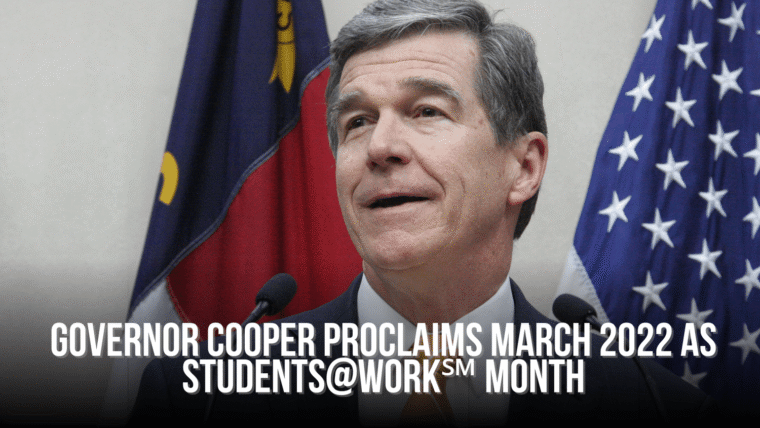
Governor Roy Cooper has proclaimed March 2022 as Students@Work℠ Month in North Carolina. Throughout the month, employers will host virtual programs that will provide approximately 28,000 students with exposure to jobs and industries in their communities and across the state.
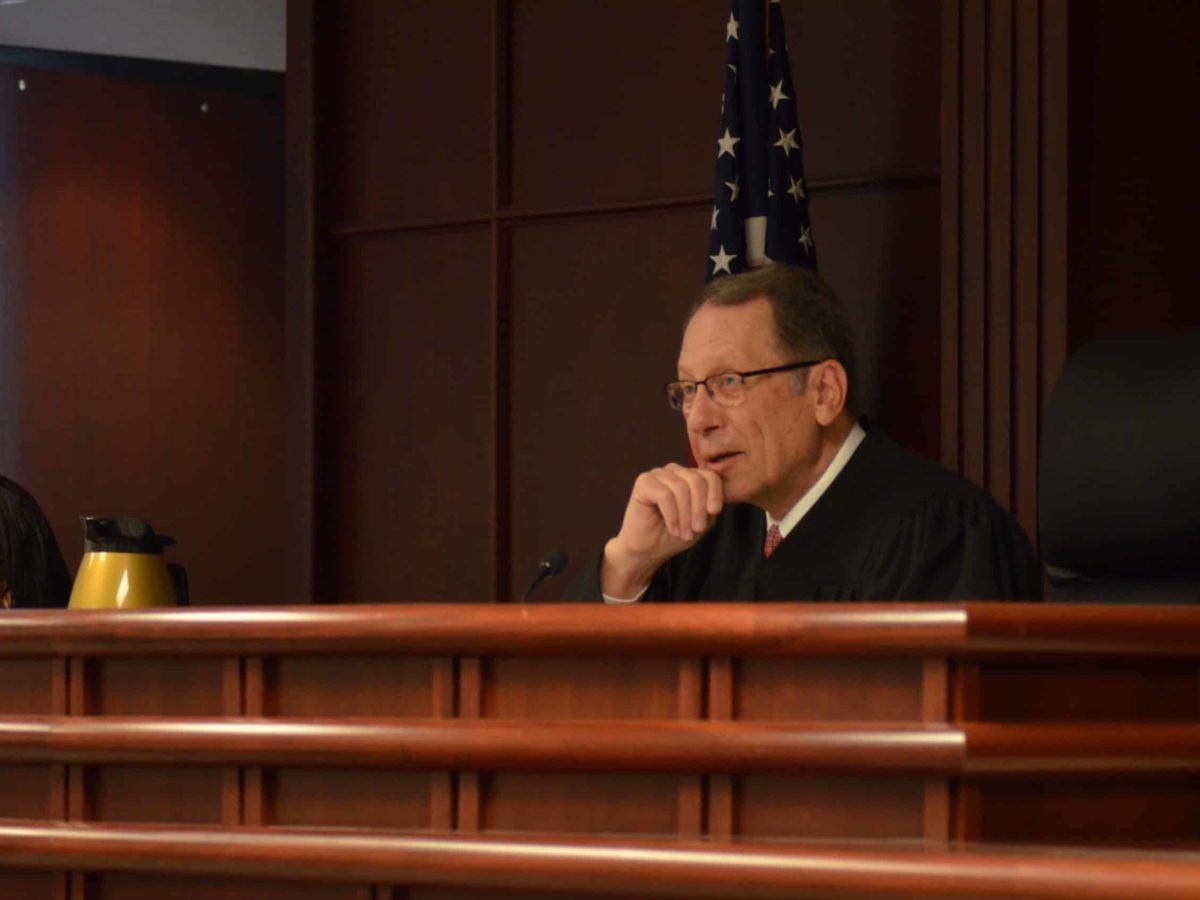
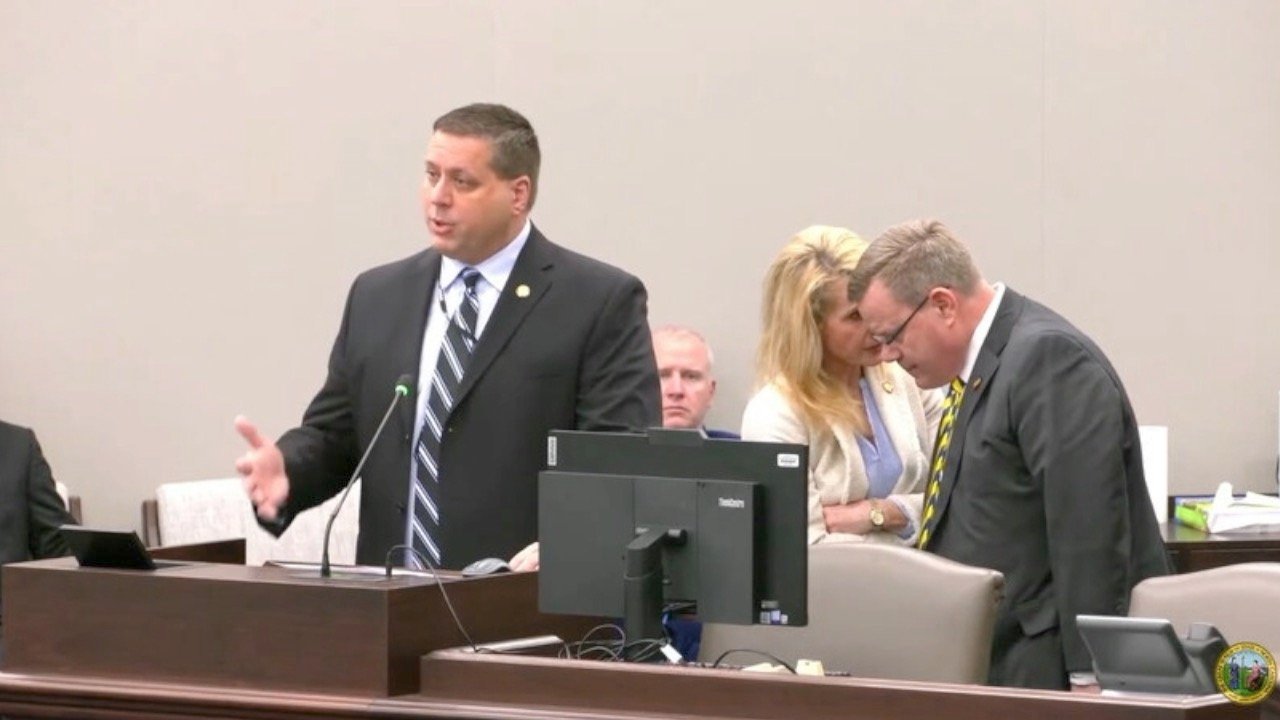
Legislative leaders argue there's no good reason for the N.C. Supreme Court to stp into a dispute now over $1.7 billion in court-ordered education funding. Republican legislators filed a new brief Monday. It opposes a request from the N.C. Department of Justice and other parties backing court-ordered funding.
On the second day of the 1960 Greensboro sit-in, Clarence Henderson sat at the Woolworth lunch counter in downtown Greensboro to protest segregation. Joseph A. McNeil, Franklin E. McCain and William Smith joined him during that historic moment.
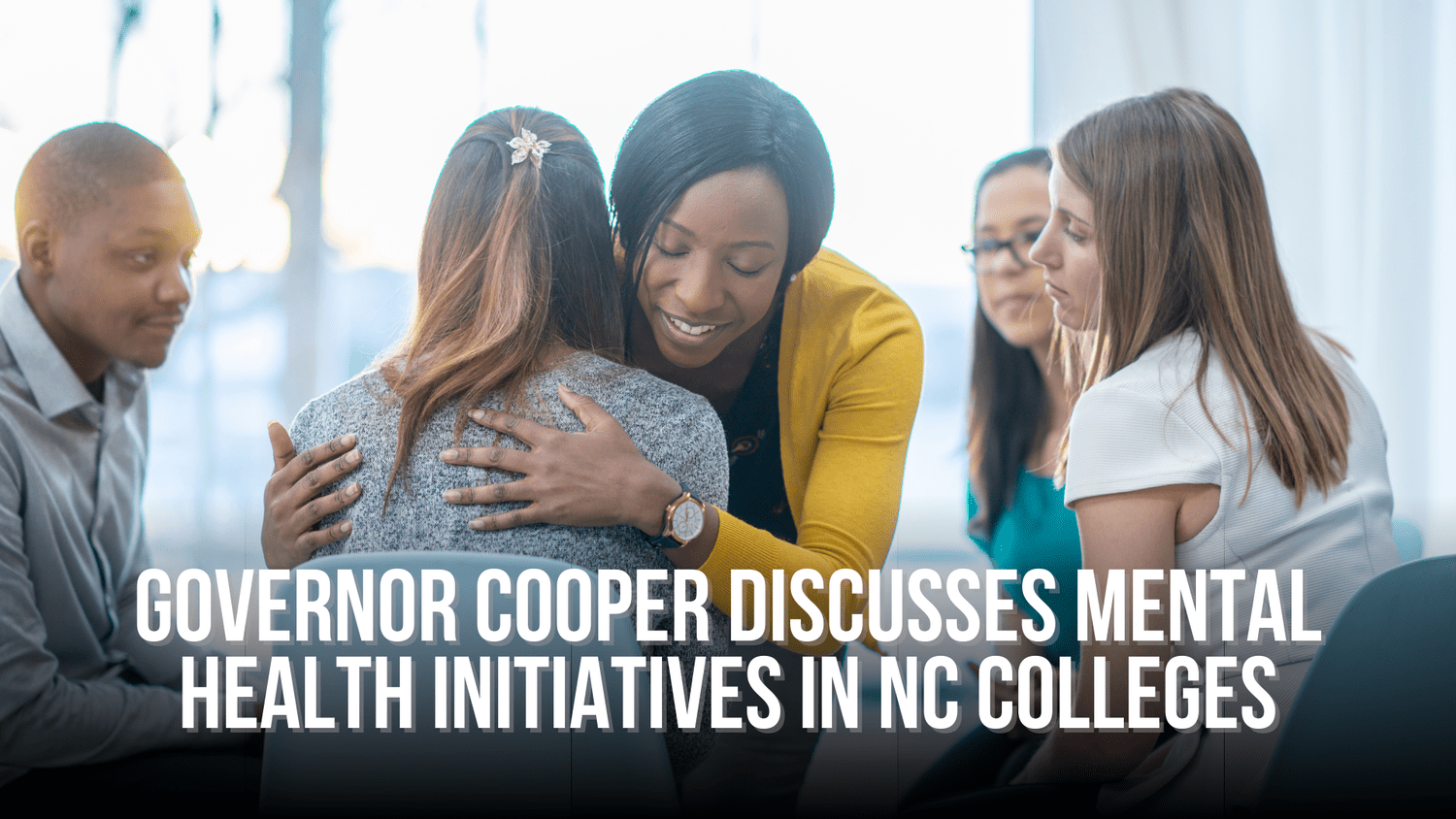
Governor Roy Cooper joined U.S. Department of Education Secretary Miguel Cardona and North Carolina Central University students, faculty and staff to learn more about the work at the university to expand and strengthen mental health services at North Carolina’s higher education institutions.
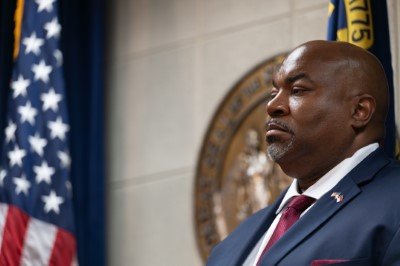
Lt. Gov. Mark Robinson is calling for broad reforms to the K-12 education system in North Carolina. Robinson's comments came during a standing committee meeting on Monday, Feb. 21, that touched on themes of accountability, discipline, and restoring common sense.
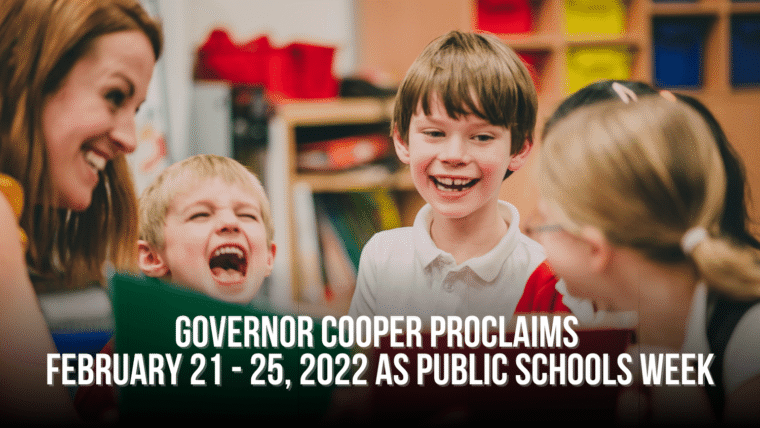
Governor Roy Cooper has proclaimed February 21 - 25, 2022 as Public Schools Week to show support for public schools and the educators, counselors, custodians, bus drivers, school nutrition workers, administrators and other school staff who provide important learning experiences for students.
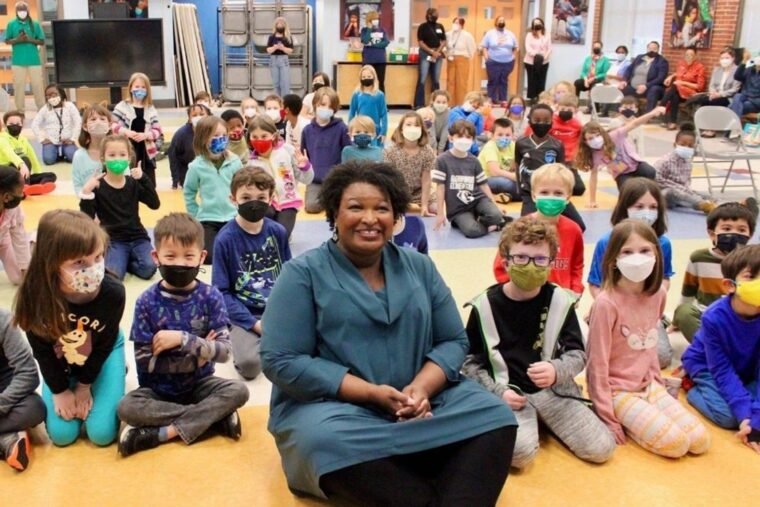
Mask mandates are stripping away across the state as school districts vote to end nearly two-year requirements that students in grades K through 12 remain masked for up to eight hours a day. As of Monday Feb 21, 2022, fewer than 50 school systems in North Carolina currently have mask mandates standing and this week even more are eliminating the requirement them, according to the N.C. School Board’s Association.
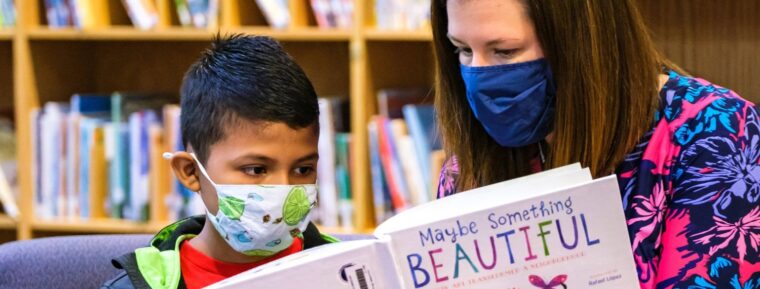
A research brief from curriculum publisher Amplify shows that elementary school students continue to lag behind in literacy almost two years into the COVID-19 pandemic.
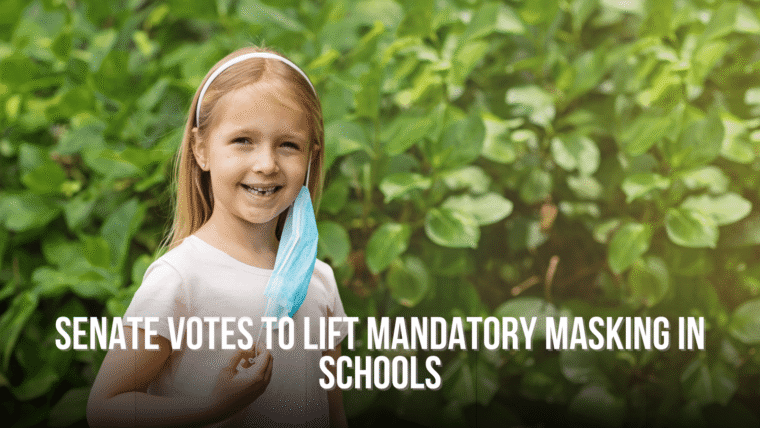
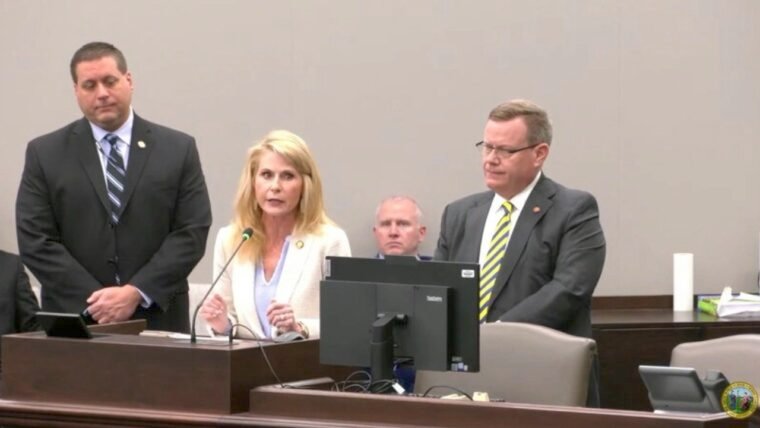
Yesterday the N.C. Senate passed Senate Bill 173, "Free the Smiles Act." This bill makes masks optional in K-12 schools and early childhood programs on state property, thus giving parents control over the decision to mask their children. The bill passed the Senate 28-17.
Gov. Roy Cooper on Thursday, Feb.17, called for an end to local mask mandates for schools and local governments, though state lawmakers are seemingly forcing his hand.
Following the N.C. Department of Health and Human Services announcement that North Carolina won’t be ending the mask mandate for public school children, N.C. Speaker of the House, Tim Moore, R-Cleveland, stated that the House would be advancing legislation to give parents the ability to opt-out of the mask requirement. Legislation is expected after redistricting.
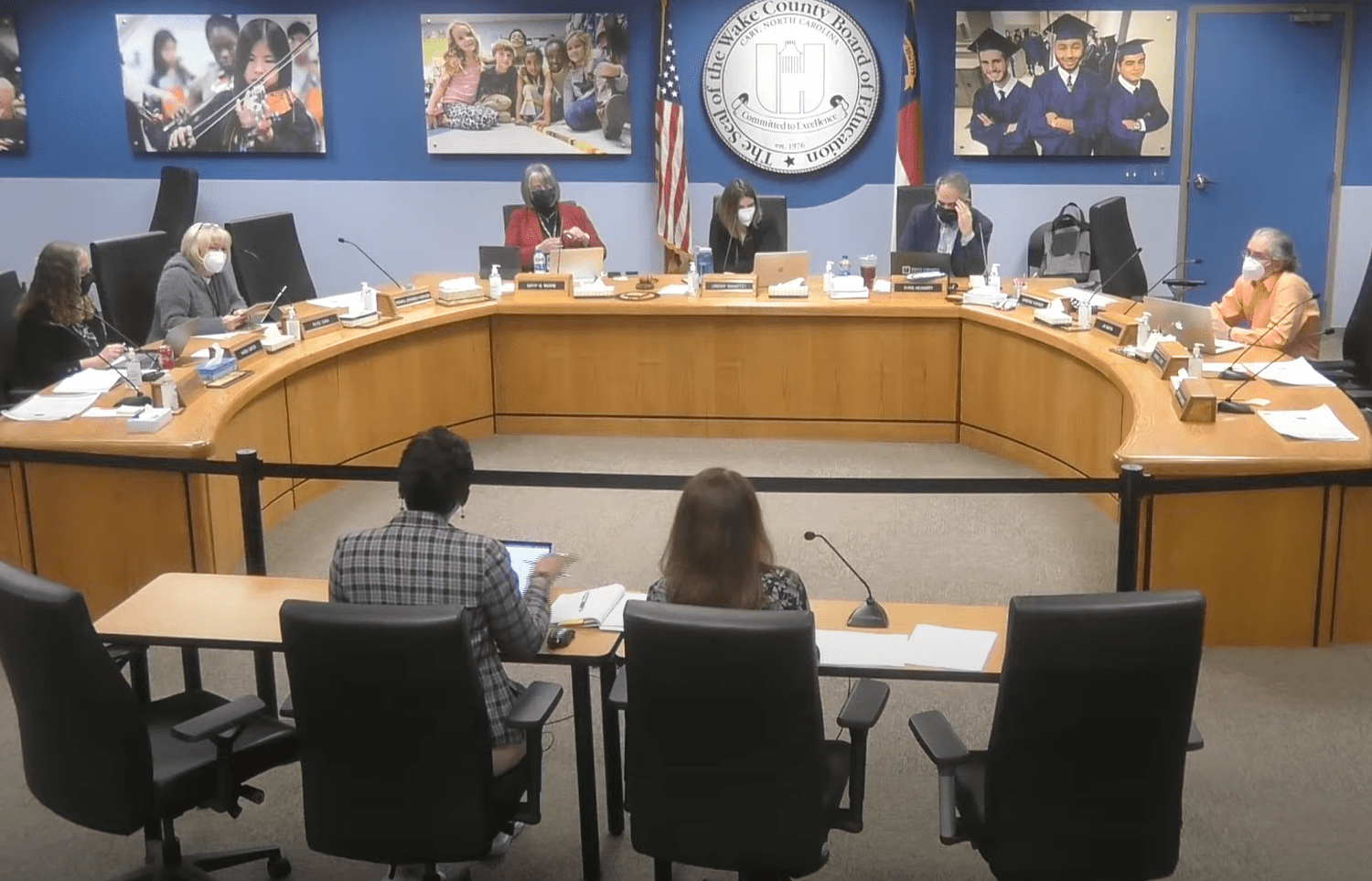
North Carolina’s largest school district continues to feel the impact of pandemic-related reductions in its student population, and those impacts will be felt for at around a decade, according to a report presented to the Wake County Board of Education on Wednesday, Feb. 9.