North Carolina leaders are projecting shortages in direct care workers, nurses and other caregiving positions in the coming decade. At the same time, demand for these services is rising.
North Carolina legislative leaders announced Thursday an agreement to expand Medicaid to hundreds of thousands of additional low-income adults through the Affordable Care Act.
Groundbreaking report concludes nonprofit hospitals paid top executives over $1.75 Billion in the past decade, doubling CEO compensation faster than previously thought.
New research predicts long-term pain for the labor market due to around 3 million workers who plan to remain permanently sidelined over concerns of physical illness or physical impairment due to the COVID-19 pandemic.
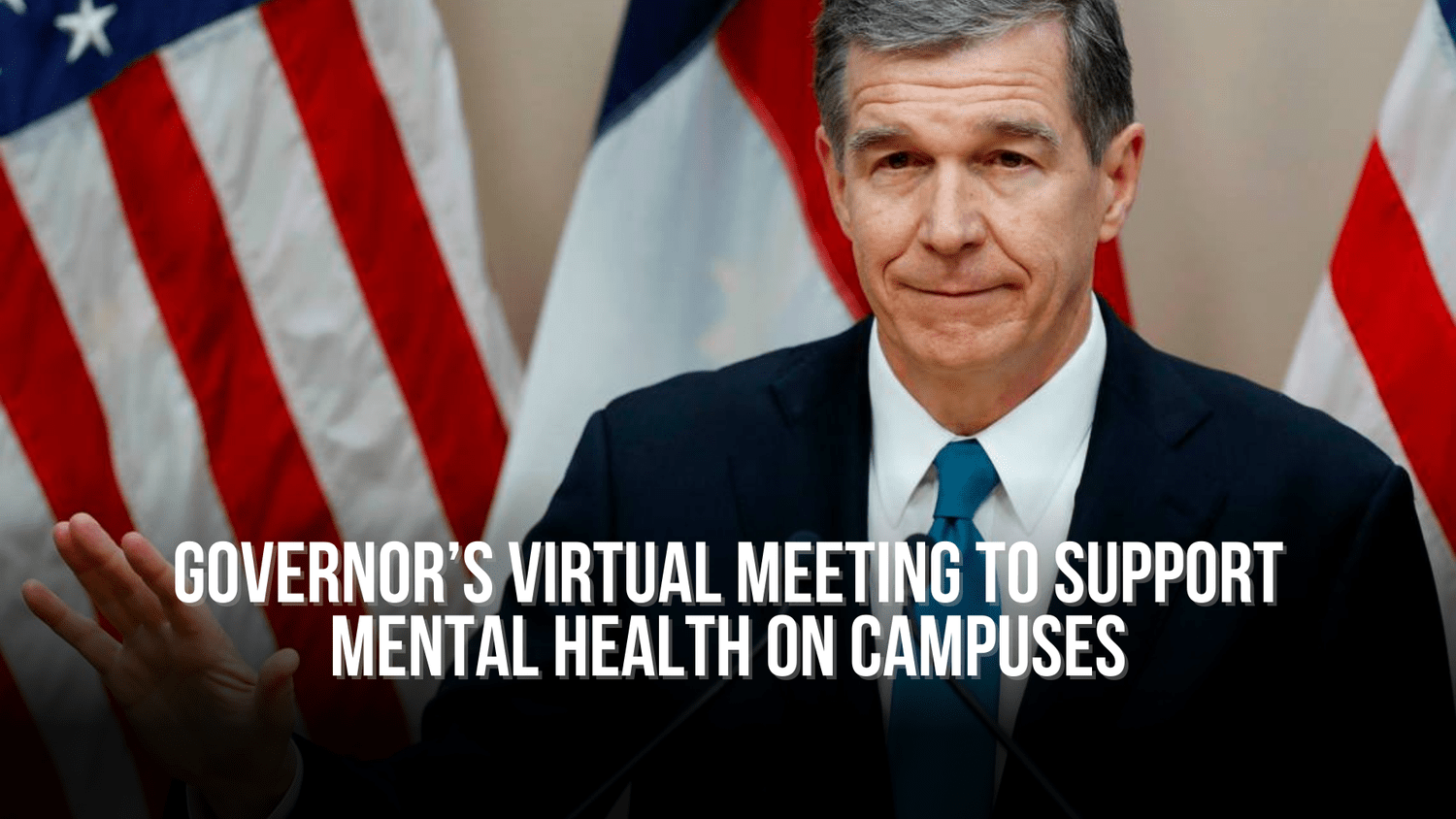
Governor Roy Cooper sent a letter to the North Carolina Congressional Delegation urging Congress to act immediately on a funding package for COVID-19 so that the state can stay ready in the event of a future surge.
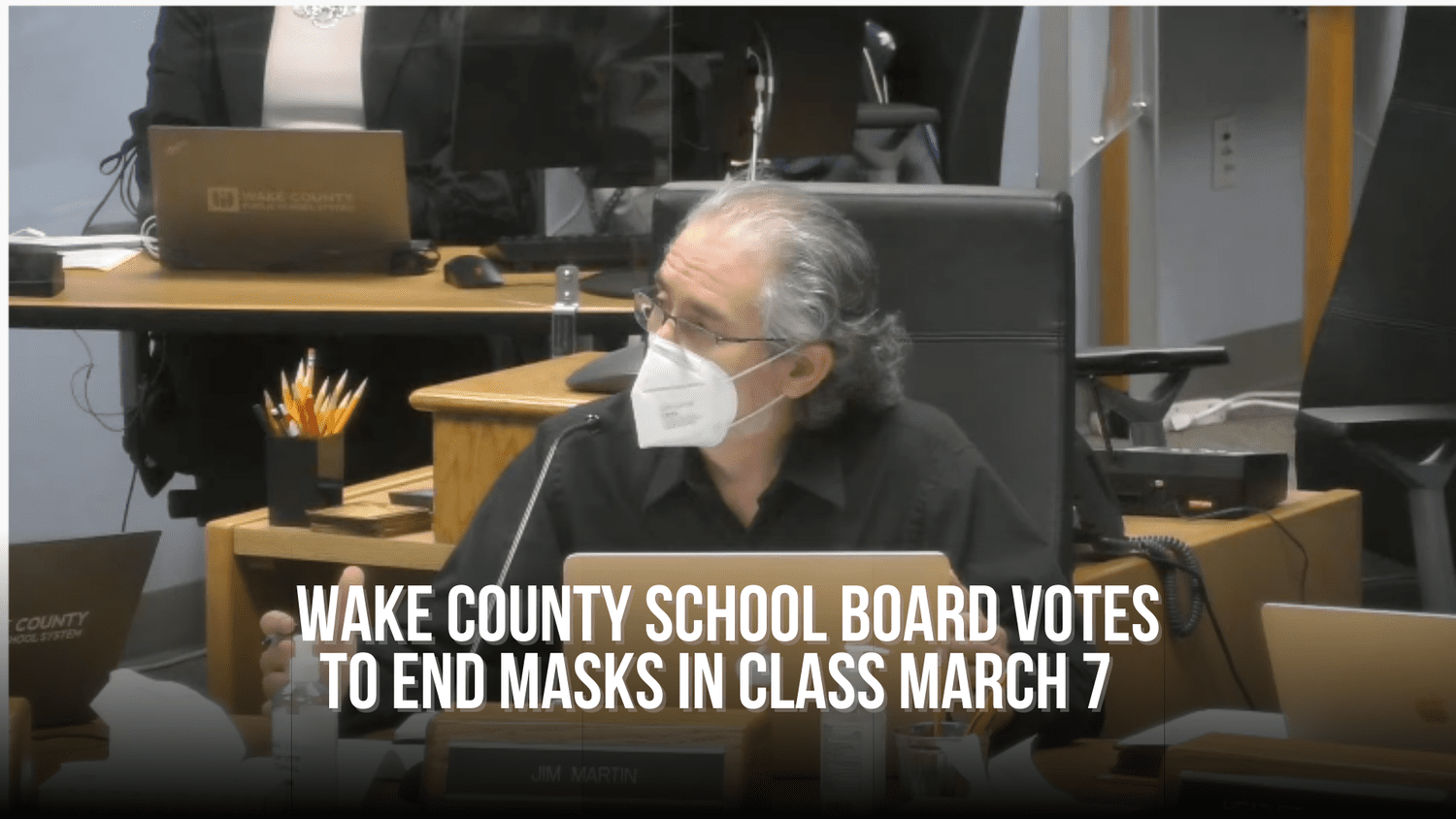
The Wake County Public School Board voted for making masks recommended but not required for athletics immediately. The vote includes extracurricular activities, ending masks requirements on Friday, Feb. 25, and for classes starting March 7.
The North Carolina Department of Health and Human Services is cautioning families about certain infant formula that has been recalled by Abbott for potentially containing a bacteria that can lead to hospitalization in infants. The recall includes powdered formulas Similac, Alimentum, EleCare and EleCare Jr., and they should not be used.
The N.C. Senate approved a bill making masks optional in K-12 schools and early childhood programs on state property, thus giving parents control over the decision to mask their children.
Governor Roy Cooper and North Carolina Department of Health and Human Services Secretary Kody H. Kinsley provided an update on the state’s COVID-19 metrics and trends.
The North Carolina Department of Health and Human Services encourages North Carolinians to seek mental health support through the Hope4NC helpline (1-855-587-3463) available 24/7 via call, text or chat.
The Centers for Disease Control and Prevention recently updated its recommendations for COVID-19 vaccination for people who are moderately or severely immunocompromised.