RALEIGH — When the U.S. Supreme Court announced its 6-3 ruling in Louisiana v. Callais, placing stringent limitations on the use of race in drawing electoral districts, some friends and acquaintances of mine were shocked and outraged. The court has essentially repealed the 1964 Voting Rights Act, they alleged, forecasting grave consequences for non-white candidates running for future office.
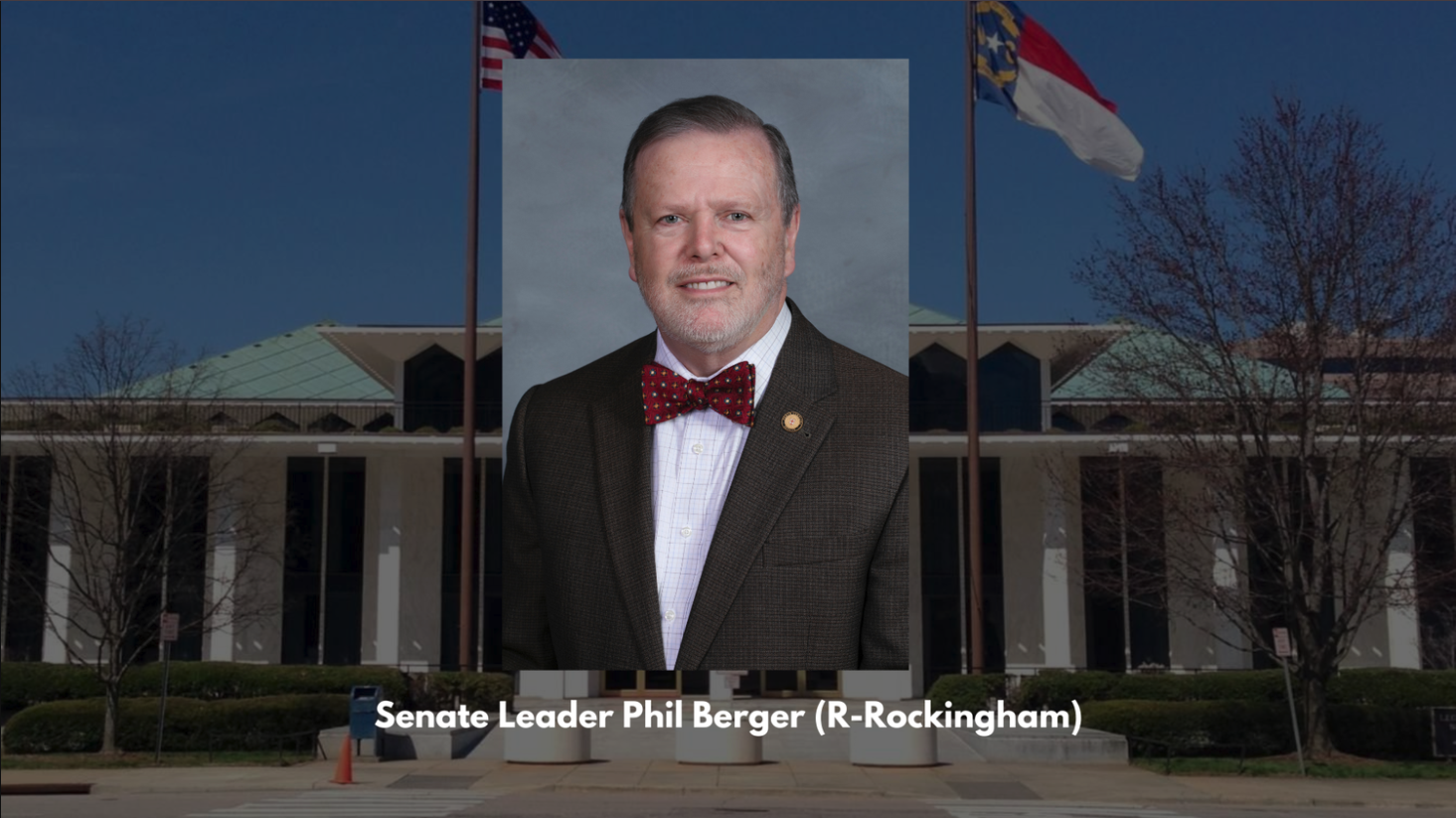
Raleigh, N.C. — The N.C. Senate gave final approval to Senate Bill 889, which halts property tax revaluation changes in 2026. This bill freezes any proposed property value adjustments prompted by a reappraisal, but would allow those values to take effect in 2027. This pause provides the General Assembly with more time to put forward additional proposals for property tax reforms.
In February, a three-judge panel of the North Carolina Court of Appeals ruled that state regulators erred in approving a Duke Energy fuel rate adjustment. But with the passage of Senate Bill 266, over the Governor’s veto, the utility did not have to repay consumers. Lawmakers changed the law while the court handled the appeal, meaning that consumers were unable to access millions of dollars in potential refunds.
RALEIGH — If Speaker Destin Hall and other leaders of the House of Representatives get their way — and I strongly suspect they will — voters will decide this fall whether to amend the state constitution to limit the growth of property-tax burdens across North Carolina.
RALEIGH — Although we’re already a quarter of the way through the 21st century, much of our pop culture bears the unmistakable imprint of the previous century. You can see it in fashion, architecture, and entertainment. Check out the music even young people today are consuming. Most of the songs aren’t new, and indeed a sizable share of streamed content and movie soundtracks draw from the Great American Songbook (jazz standards and show tunes from the 1920s to the 1950s) or rock, soul, and pop songs from the 60s and 70s.
RALEIGH — All 50 states offer unemployment-insurance benefits to workers who lose their jobs through no fault of their own. Because states fund these benefits with payroll taxes, however, and must replenish exhausted UI trust funds with interest-bearing loans from the federal government, UI benefits vary according to how state legislatures weigh the resulting tradeoffs.
Raleigh, N.C. — Today, Senate Leader Phil Berger (R-Rockingham) filed a bill to institute a moratorium to halt all property tax revaluation changes in 2026. This bill freezes any proposed property value adjustments prompted by a county property tax revaluation, but would allow those values to take effect in 2027. This pause provides the General Assembly time to put forward additional proposals for property tax reforms.
The House Oversight Committee has once again convened in Raleigh to address what the Majority finds to be the most pressing issue facing our state. Not the absence of a budget. Not low teacher pay, public education funding, or any kind of meaningful policy. What urgent priority do they schedule for the very first week of session? A hearing on library books.
RALEIGH — Most federal, state, and local policymakers are saying the right things about housing. Our leaders say they want to make it easier for young people to purchase homes and older people to keep them. But are they doing enough to turn their words into deeds?
Raleigh, N.C. — Today, Senate Leader Phil Berger (R-Rockingham) and House Speaker Destin Hall (R-Caldwell) announced the formation of the Joint Legislative Commission on Governmental Operations (Gov Ops): Subcommittee on Prisons.
RALEIGH — For all the satisfied smiles among school-choice supporters, and the gnashing of teeth among its opponents, North Carolina is not one of the top-ranked states for educational freedom.