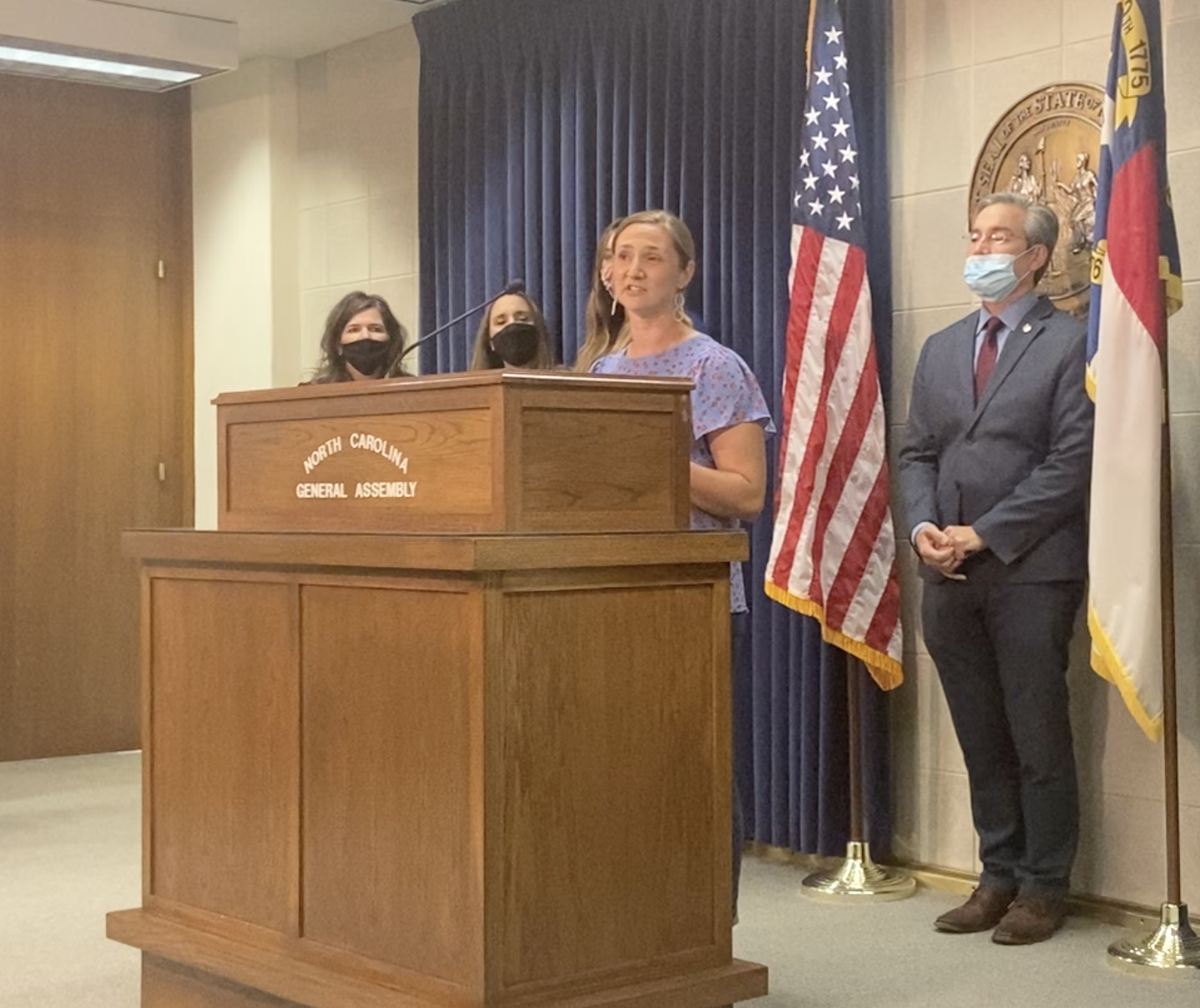
The Tar Heel State’s budget for the new biennium includes $100 million in supplemental pay for public school teachers in some of the state’s smallest, poorest counties.
The N.C. Supreme Court has jumped into the state's legal battle over new election maps. The high court has shut down candidate filing and delayed all state primary elections until May 17.
In places where governments are smaller, taxes are lower, regulations are lighter, and property rights are more secure, people tend to be more generous, trustful, and tolerant. Although progressives may find this proposition hard to accept, there’s an ever-increasing stack of empirical evidence to support it.
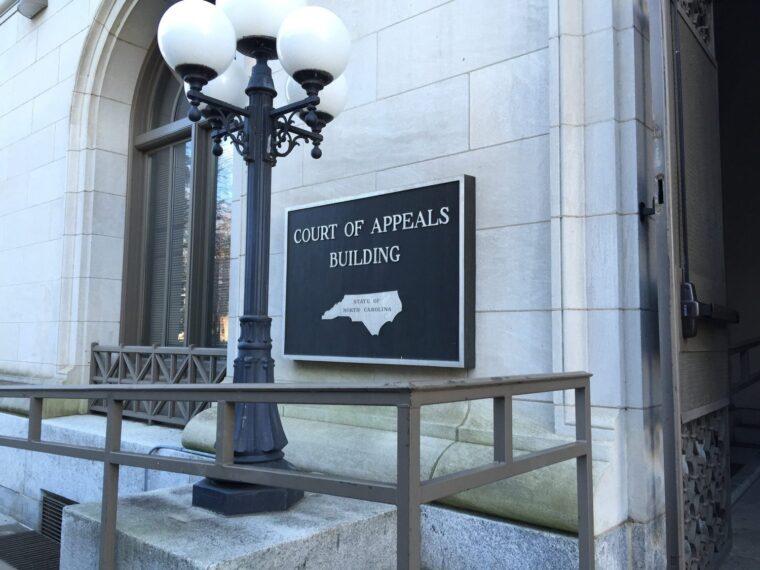
The full N.C. Court of Appeals has overturned a three-judge panel's order blocking congressional and legislative candidate filing. Filing can proceed until the full 15-member court considers challenges to new state election maps.
Parents supporting North Carolina's Opportunity Scholarship Program want a three-judge panel to review a lawsuit challenging the scholarships. A motion filed in the N.C. Court of Appeals this month seeks to have the case transferred away from a single trial judge.
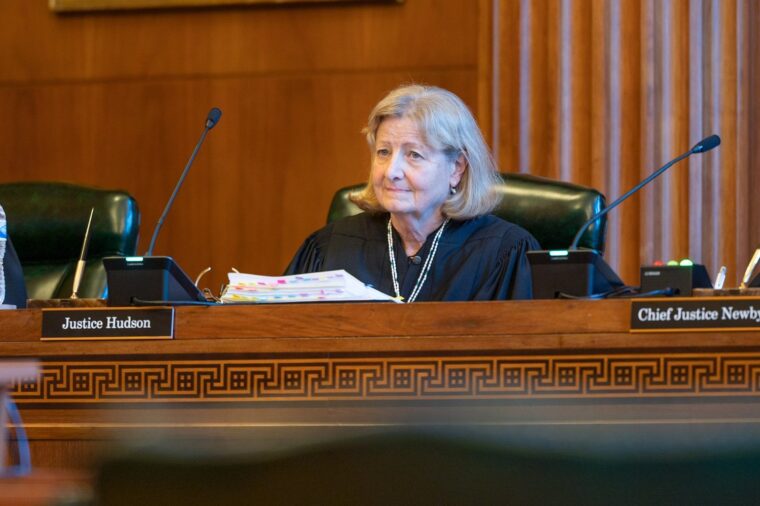
The N.C. Supreme Court's senior associate justice, Robin Hudson, will not seek re-election next year. Hudson announced Thursday that she will not run for another term.
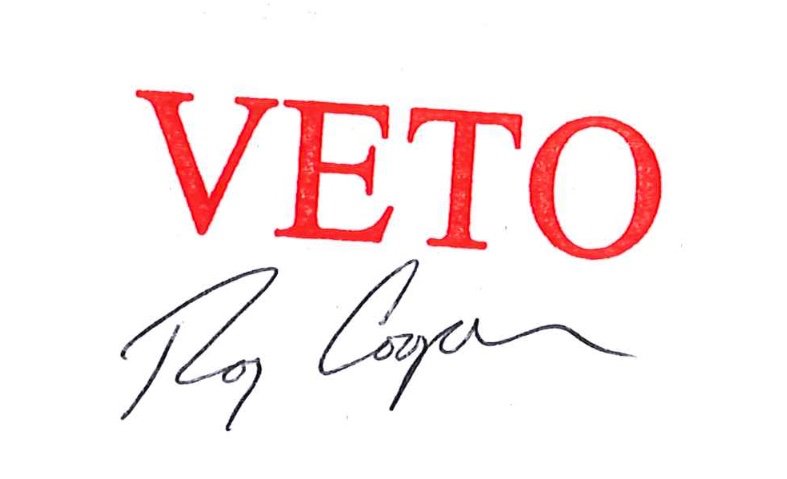
Gov. Roy Cooper has vetoed a bill that would have set Election Day as the deadline for mail-in absentee ballots in future N.C. elections. Cooper's rejection of Senate Bill 326 marks his 13th veto this year and his record-extending 66th veto since taking office in 2017.
A new poll from a statewide school-choice advocacy group shows that nearly two-thirds of likely general election voters in North Carolina support the Opportunity Scholarship Program.