Governor Cooper signs four bills into law
Governor Roy Cooper signed bills into law.

Governor Roy Cooper signed bills into law.
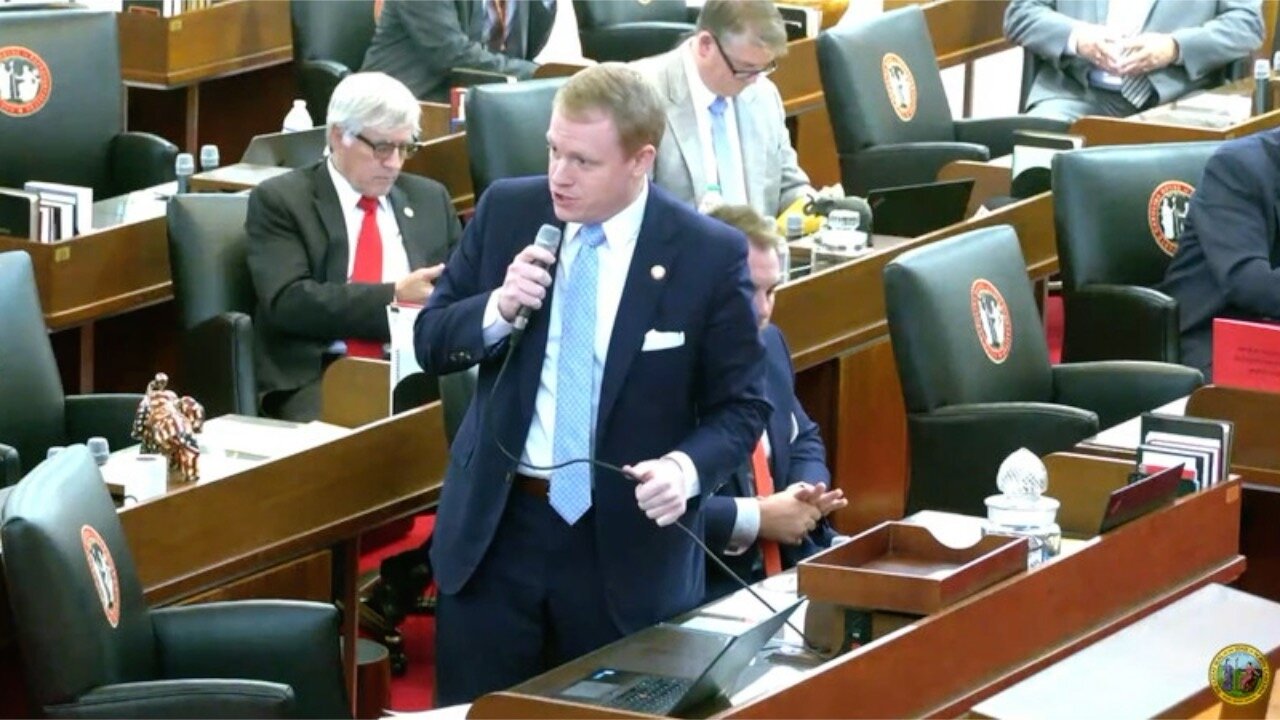
The state House voted 58-47 on Wednesday, Sept. 15, to endorse a bill requiring the state attorney general to get approval from legislative leaders before settling lawsuits on their behalf. The bill now heads to the governor.
A split 2-1 state Superior Court panel has rejected North Carolina's voter ID law, five months after holding a trial in the case. The court majority labeled the 2018 law racially discriminatory and unconstitutional.
The income of the median American household fell by nearly 3% last year as the COVID-19 pandemic and subsequent regulations shuttered many businesses for months, closed others for good, and forced still other employers to cut back on hours and wages for the people they still employed.
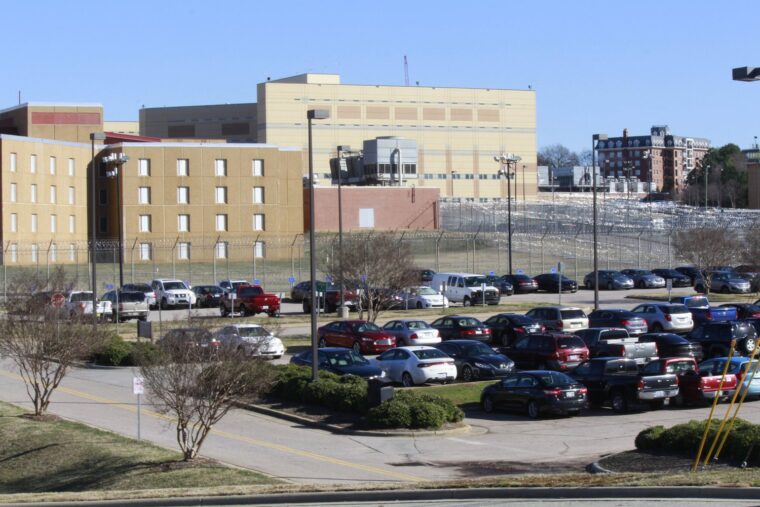
The N.C. prison system, comprising 55 facilities and employing roughly 16,000 staff, is one of the largest agencies in the state. That might surprise some, as prisons, from the real estate they occupy, to the critical role they play in governance, are not foremost in our minds when it comes to policy.
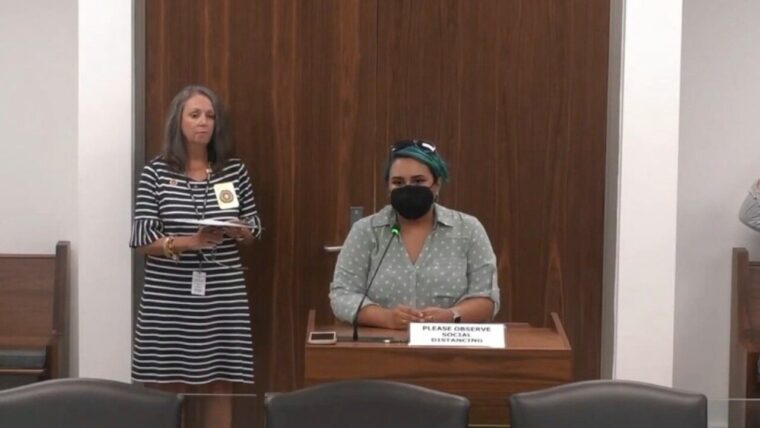
Complaints on social media from a left-wing redistricting activist are drawing fire from a state Senate redistricting leader. He accuses the activist of "begging" people to deliver her scripted remarks during public hearings.
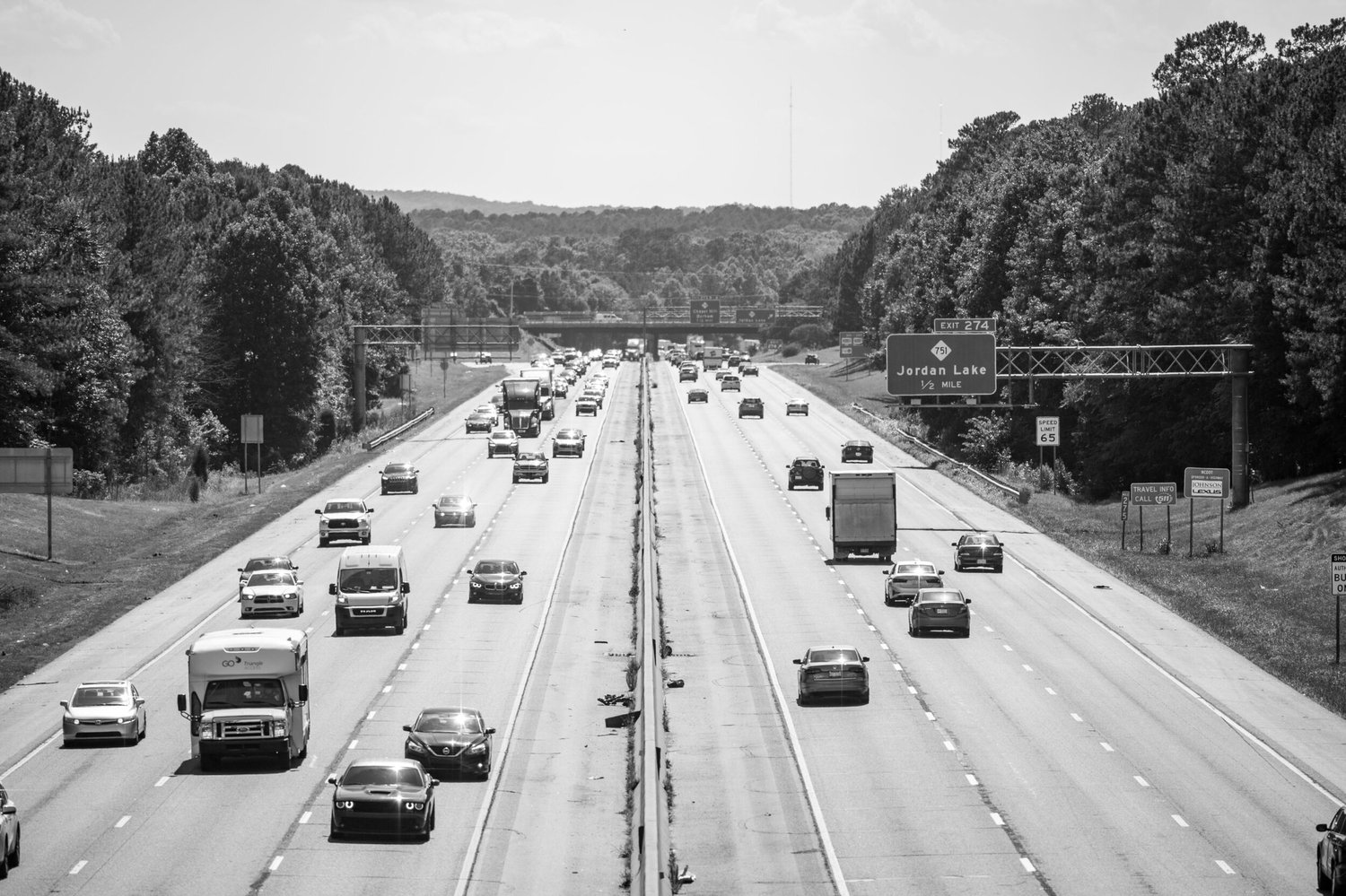
The N.C. Department of Transportation continues to be under the watchful eye of the state auditor, who in a report released this week says that department failed to exceed its developed spending plan only by pure luck.
A bill intended to prohibit conflicts of interest by local elected officials is stalled in the N.C. legislature, as lawmakers wrangle over the state budget and the end of session remains uncertain.
I got the COVID-19 vaccine shortly after it became publicly available. I did so because I was persuaded that the benefits of vaccination far outweighed the risk.
Gov. Roy Cooper’s latest veto tosses the debate about N.C. public school indoctrination back into the hands of state lawmakers.
The N.C. General Assembly kicked off a month-long series of 13 public redistricting hearings held across the state. State legislative and congressional districts are redrawn every ten years using new data from the U.S. Census report. This year, the data was delayed due to difficulties collecting it during the COVID pandemic. Still, results showed that N.C. has growing by 9.5 percent in the past decade, faster than the national average of 7.4 percent. The results give N.C. a 14th congressional seat.
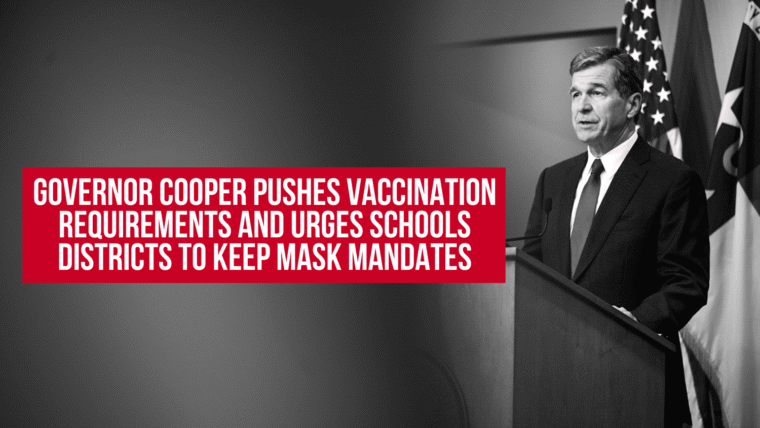
"We know that keeping kids learning in the classroom is the most important thing for our students right now. Getting vaccinated, wearing a mask in public indoor settings and following the science is what we need to do," said Governor Cooper. "The faster we put this pandemic behind us, the sooner we can all rest easy and stay healthy."