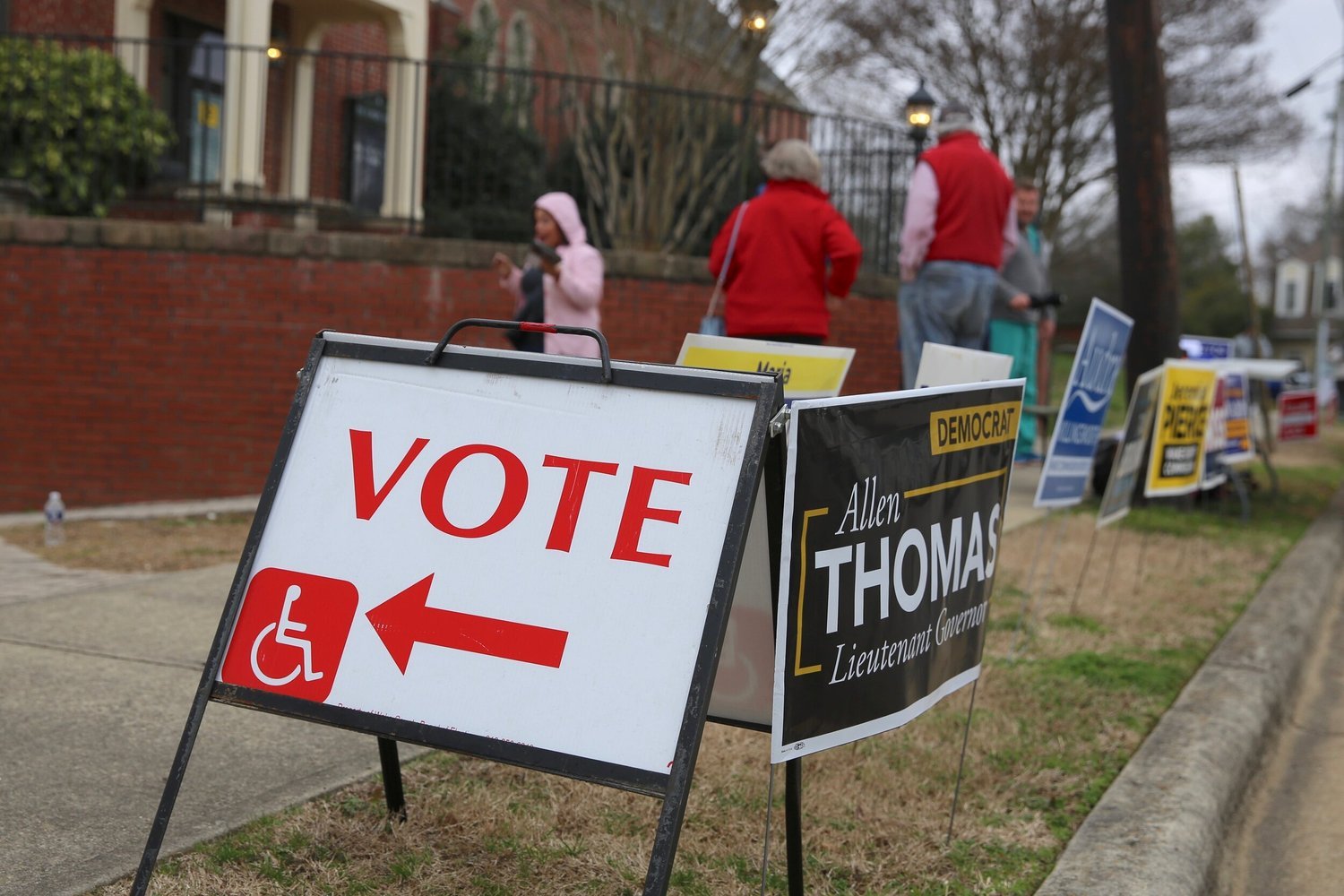
The city of Charlotte is set to approve an ordinance aimed at barring businesses and employers from discriminating against people based on transgender identity and other “protected classes.” The measure is similar to the one that launched the “Bathroom Bill” controversy in 2016 and led to a significant fundraising advantage for Democrats in that year’s elections.
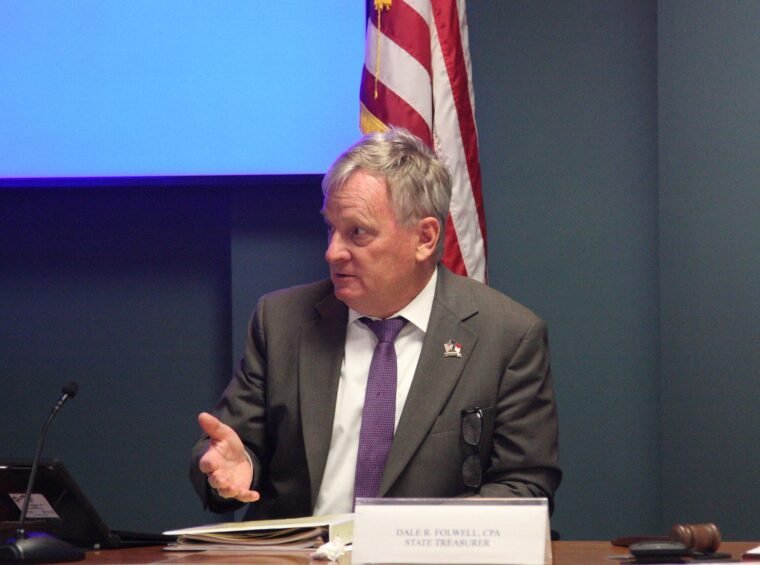
Some Republican members of the N.C. Council of State used a meeting Tuesday, Aug. 3, to underscore the challenges employers face in finding workers because, at least in part, of generous unemployment benefit payments from the federal government.
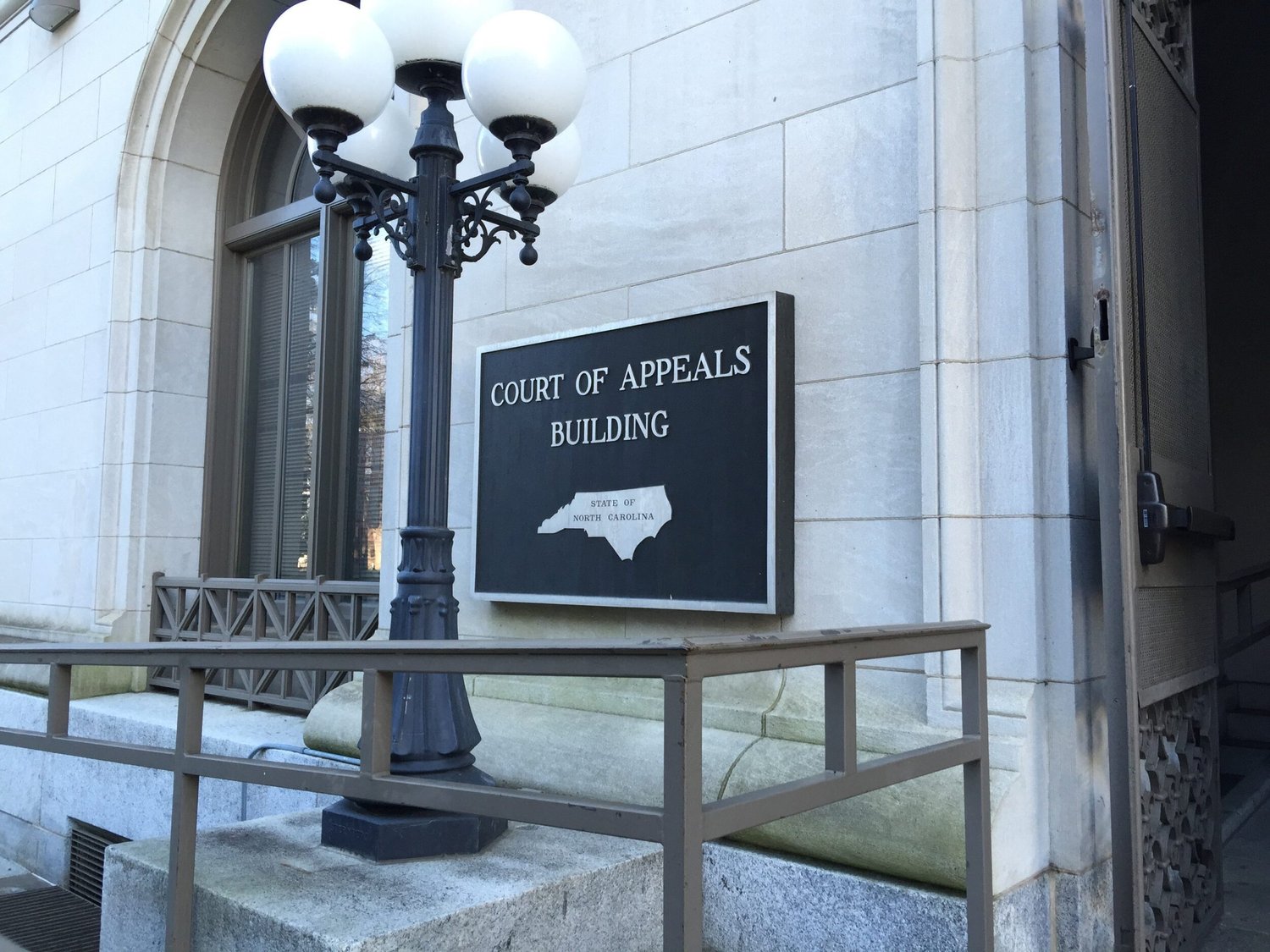
Cases involving a high-profile political activist and a controversial state medical regulation await the N.C. Court of Appeals as it returns to regular in-person hearings in August.
“North Carolina families deserve clean water, and this funding will help communities tackle the challenge of aging water and wastewater systems to improve quality of life and increase good paying jobs,” said Governor Cooper.
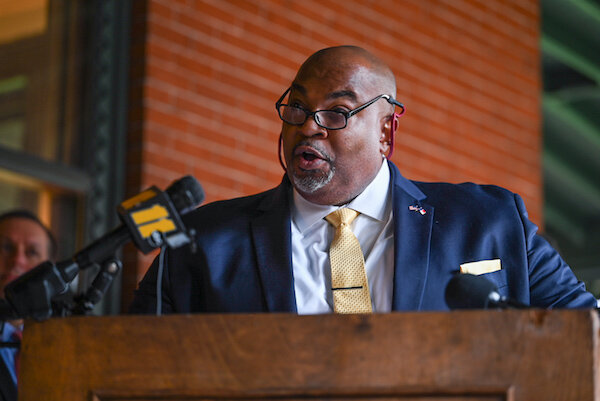
Lt. Gov. Mark Robinson in March announced the launch of a task force to address growing concern grew among public school parents about political and cultural indoctrination in the classroom, specifically related to Critical Race Theory.
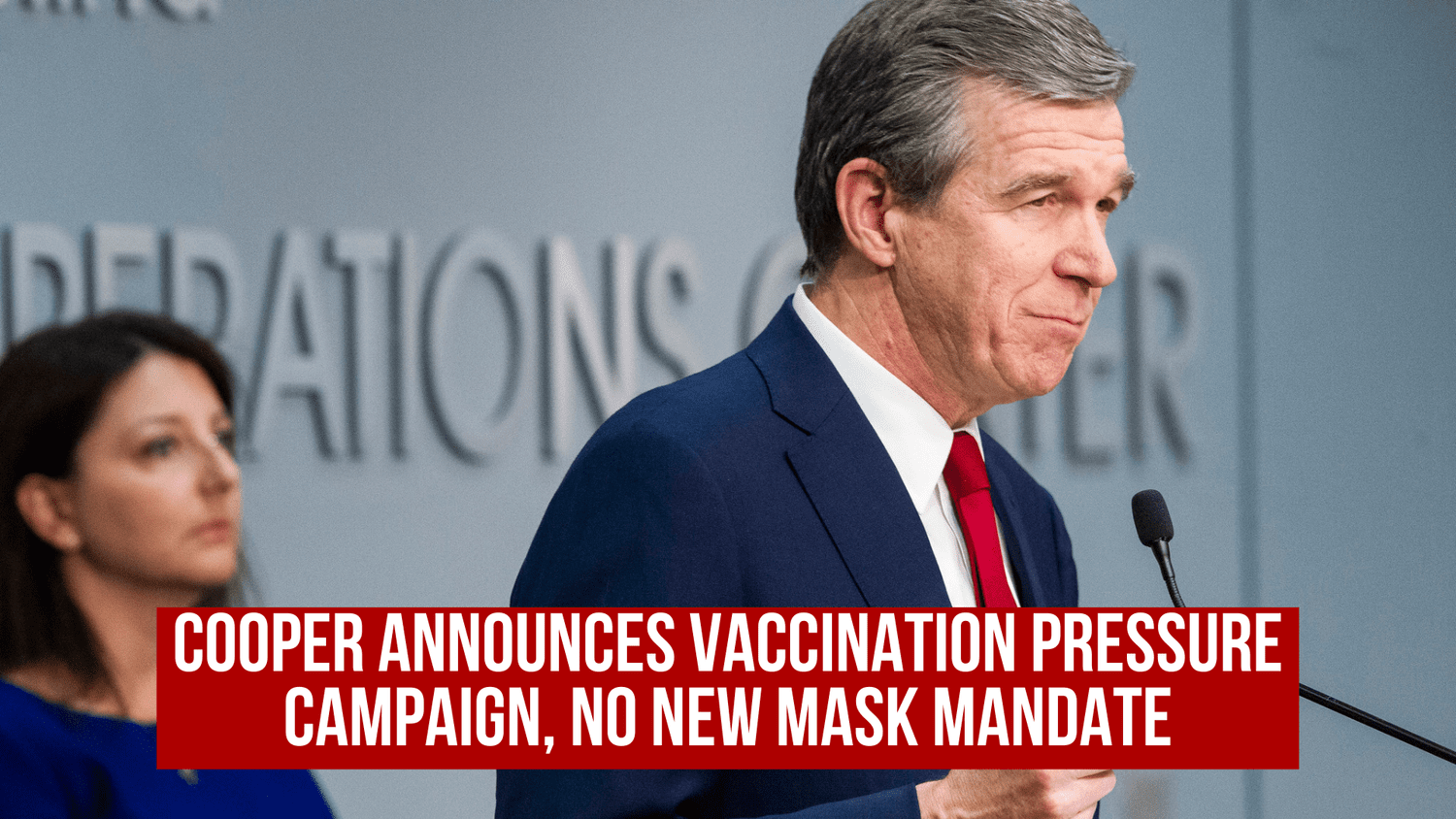
Gov. Roy Cooper announced on Thursday, July 29, that, although statewide mask mandates will still expire July 30 according to recent guidance, his administration is launching vaccination verification requirements for Cabinet agencies and a general campaign to pressure other government entities and private businesses toward similar vaccination requirements.
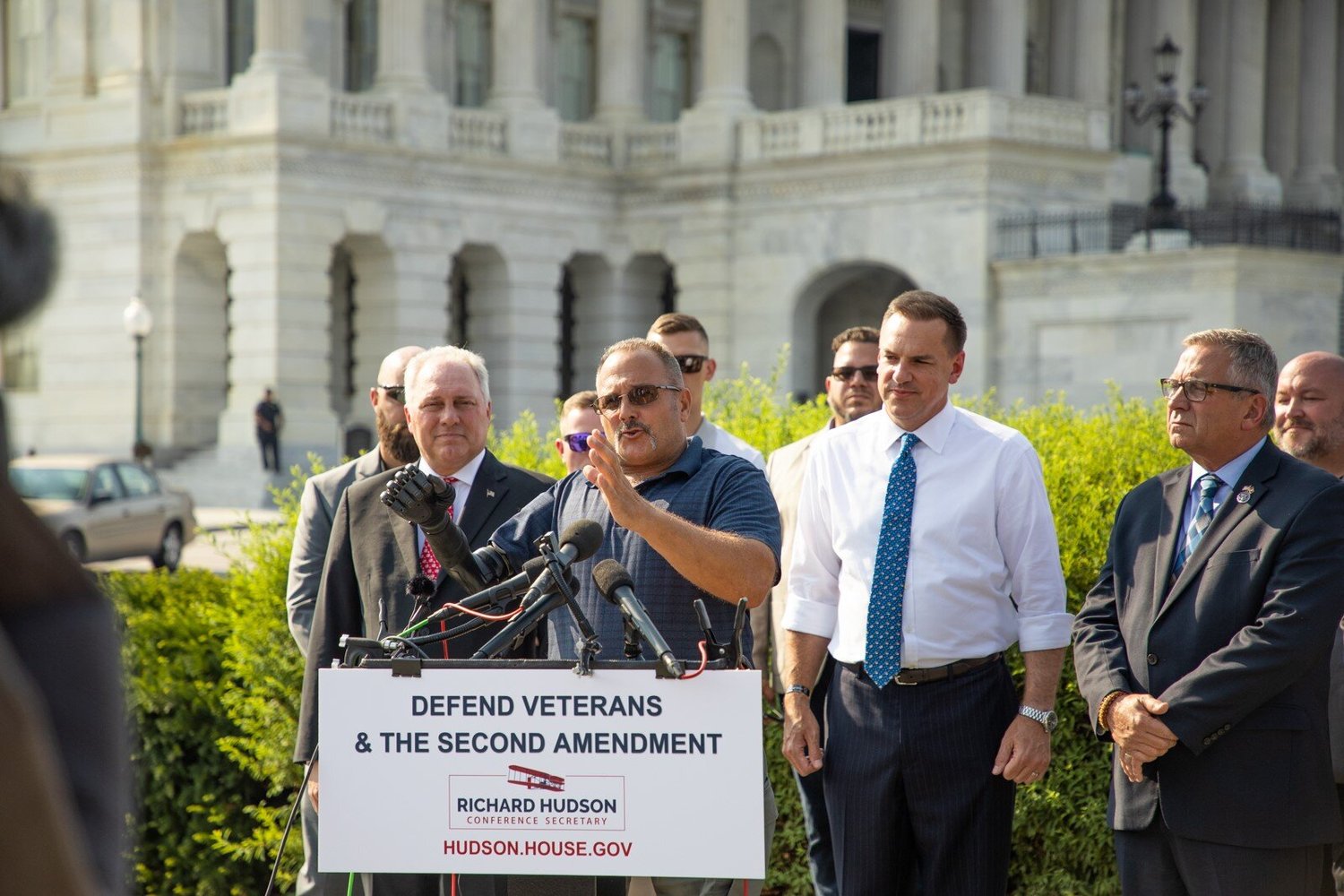
U.S. Rep. Richard Hudson took aim this week at a proposed federal regulation that targets pistol stabilizing braces. Hudson led a Capitol Hill news conference Tuesday drawing attention to the issue.
The U.S. House Appropriations Committee voted to cut $40 million from the federal Charter Schools Program, in a major policy shift away from the bipartisan support that charter schools have enjoyed in recent years.
There are at least as many different ways to explain the origins of political disagreement as there are political commentators. I, for one, think such factors as cultural traditions, religious views, family background, educational experiences, and interpersonal relationships all help to shape how we choose our preferred political candidates or “sides” – and how we choose to act on those preferences.