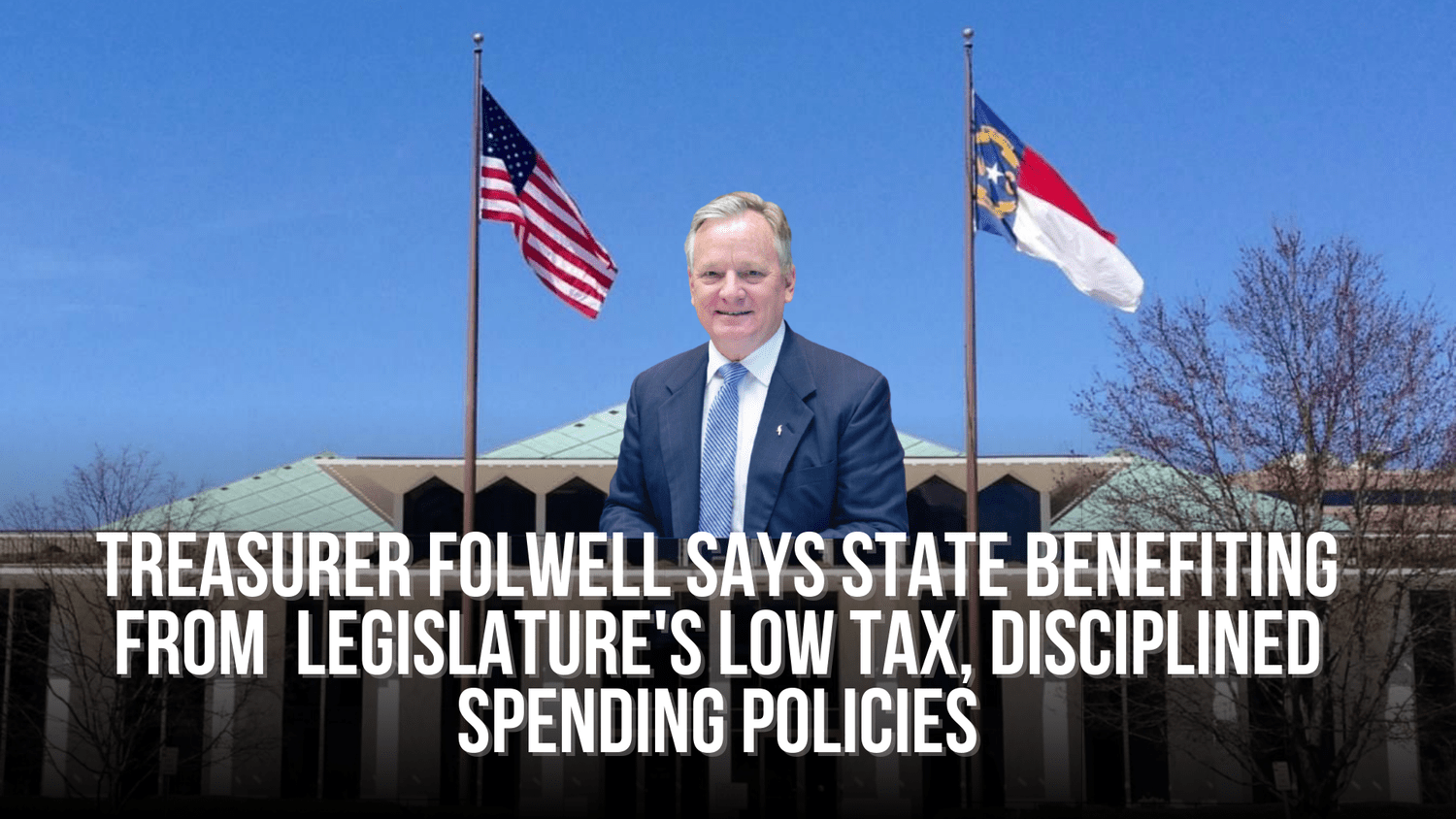
Economists in the Office of State Budget and Management and the General Assembly’s Fiscal Research Division released an updated consensus revenue forecast today anticipating an additional $3.25 billion in state revenues for FY 2022-23, putting total state General Fund revenue collections at $33.76 billion.
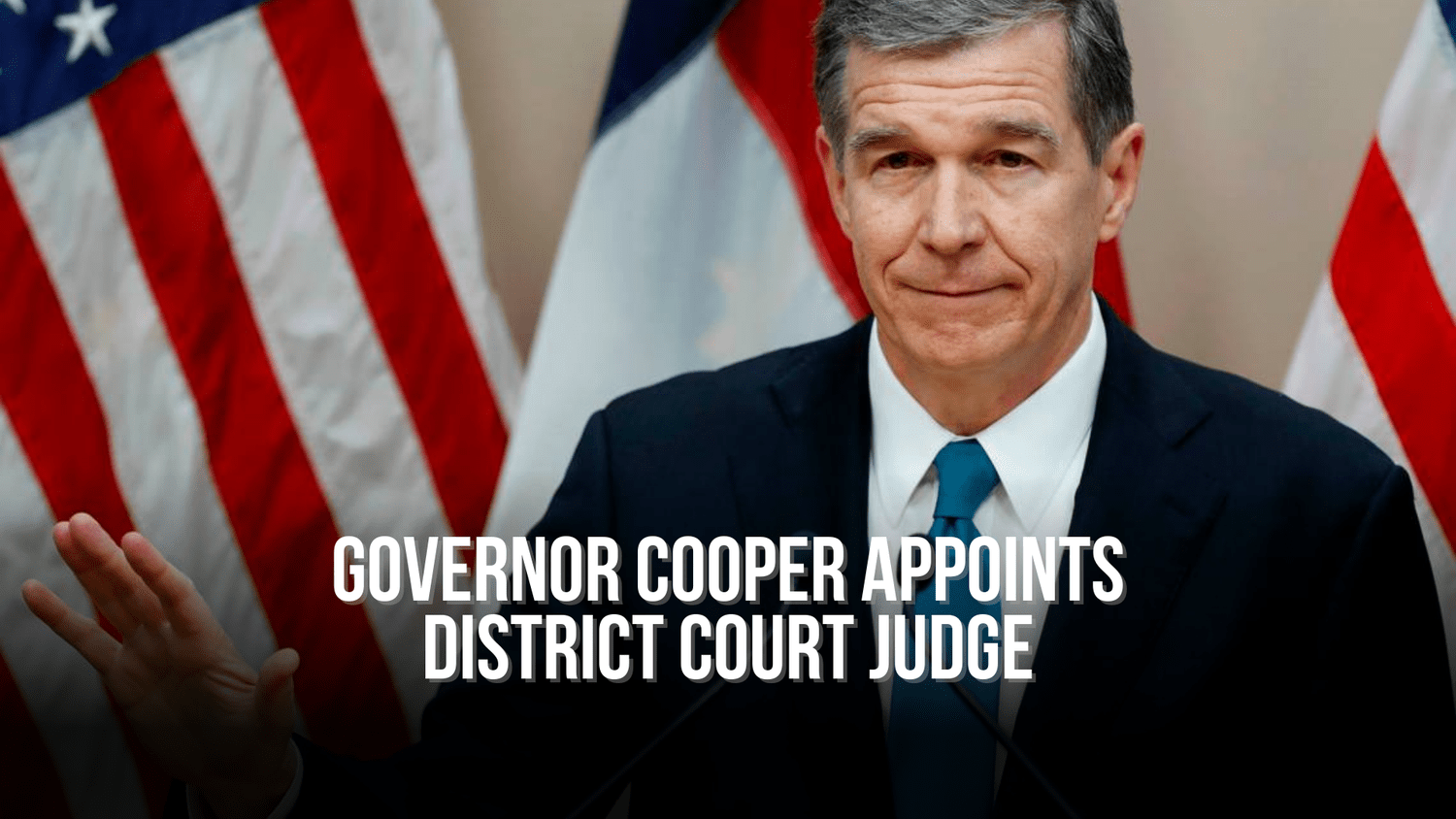
Governor Roy Cooper has appointed the Honorable W. Rob Lewis, II to serve as District Court Judge in Judicial District 6, serving Bertie, Halifax, Hertford and Northampton counties. He will fill the vacancy created by the election of the Honorable Brenda Branch to Superior Court Judge.
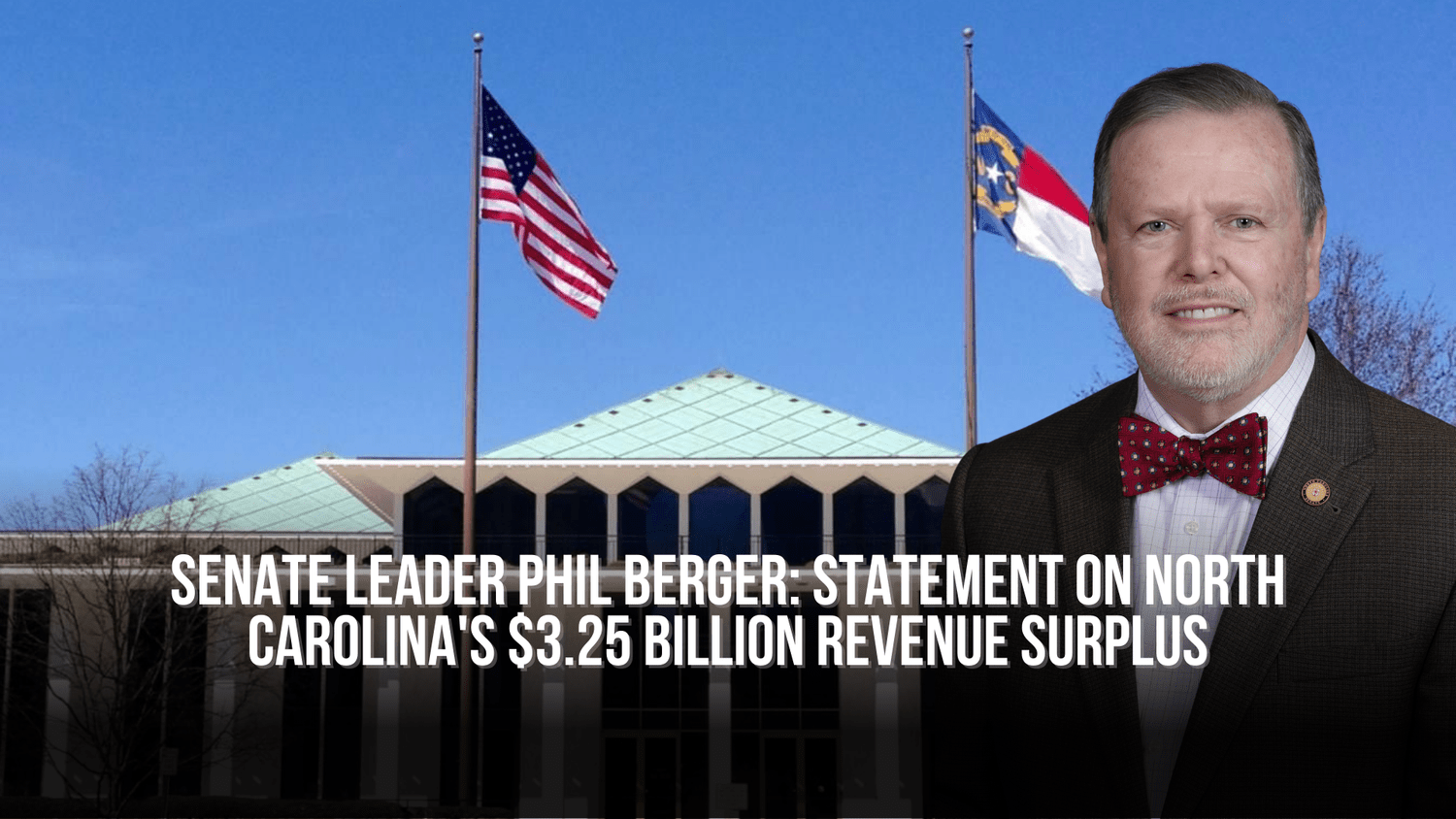
Senate Leader Phil Berger (R-Rockingham) released the following statement about the consensus revenue forecast showing the state has a one-time $3.25 billion surplus:
A slate of Republicans, including a group of young, first-time candidates, are hoping to turn the tide of Charlotte City Council with a red wave of their own this July. A Republican has not been elected to an at-large council seat in Charlotte since 2009.
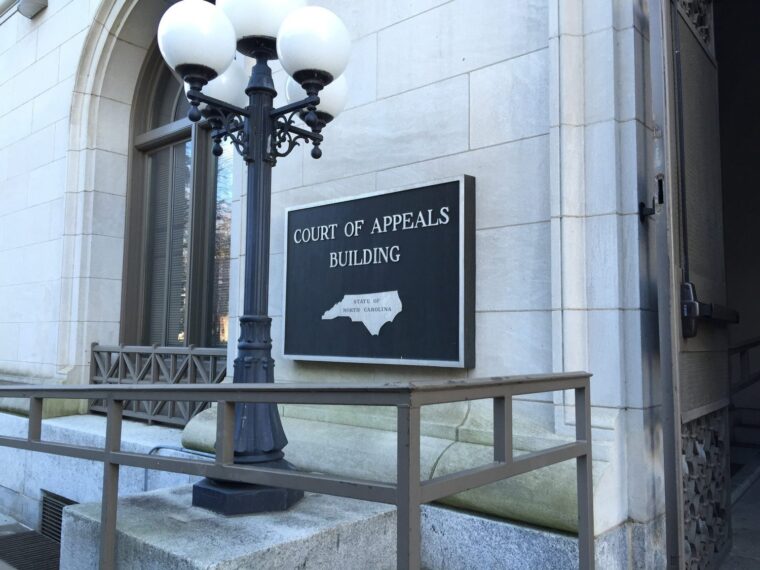
A panel of the N.C. Court of Appeals has split 2-1 to rule that felons can vote in N.C. elections starting in November. Two Democratic judges agreed to the change, while a Republican colleague dissented.
Governor Roy Cooper directed $34 million in new federal funding to further support postsecondary students in completing their degree or credential and to help address K-12 student learning and mental health needs as students continue to recover from the pandemic.
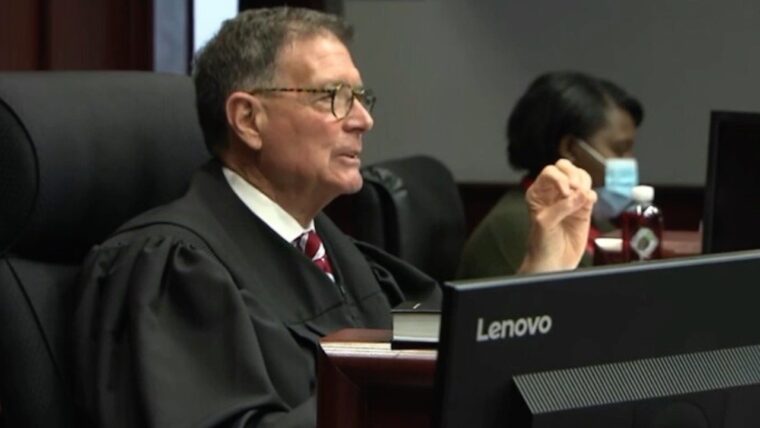
The N.C. Supreme Court is giving the new judge overseeing North Carolina's long-running Leandro school funding lawsuit another seven days to issue his ruling. The high court granted the judge's request for additional time in an order Wednesday.
North Carolina has a stronger economic outlook than 48 other states because it is controlling spending and lowering taxes, according to a key annual report issued by the American Legislative Exchange Council (ALEC).
The N.C. Supreme Court recently ordered a new trial for a man convicted in a 26-year-old murder case. The circumstances of the court’s split decision raise concerns for Republican justices.
A new filing in the long-running Leandro school funding lawsuit would lop another $25 million off of the cost of court-ordered education spending. Even with the change, advocates still want a court to force the state to spend an additional $770 million on education.