Lawmakers are fighting to help small businesses afford health insurance, but they’re running out of time. As the pandemic and the shutdowns wreck the economy, thousands of North Carolinians continue to lose their insurance. North Carolina has nearly 1.2 million uninsured residents.
The N.C. Supreme Court has affirmed the General Assembly’s control over state spending decisions. A new 6-1 ruling rejects the governor’s attempt to bypass lawmakers in determining how federal block grants should be spent.
The 4th Annual Governor’s School Supply Drive is being extended to encourage more donations for supplies to support North Carolina students and teachers. Public health precautions have required the drive to go fully online with donations collected through the North Carolina Parent Teacher Association, a new partner for this year’s drive. Visit ncsupplies.ncpta.org to make a donation now through January 16.
The state’s seasonally adjusted November unemployment rate was 6.2 percent, remaining unchanged from October’s revised rate. The national rate decreased 0.2 of a percentage point to 6.7 percent.
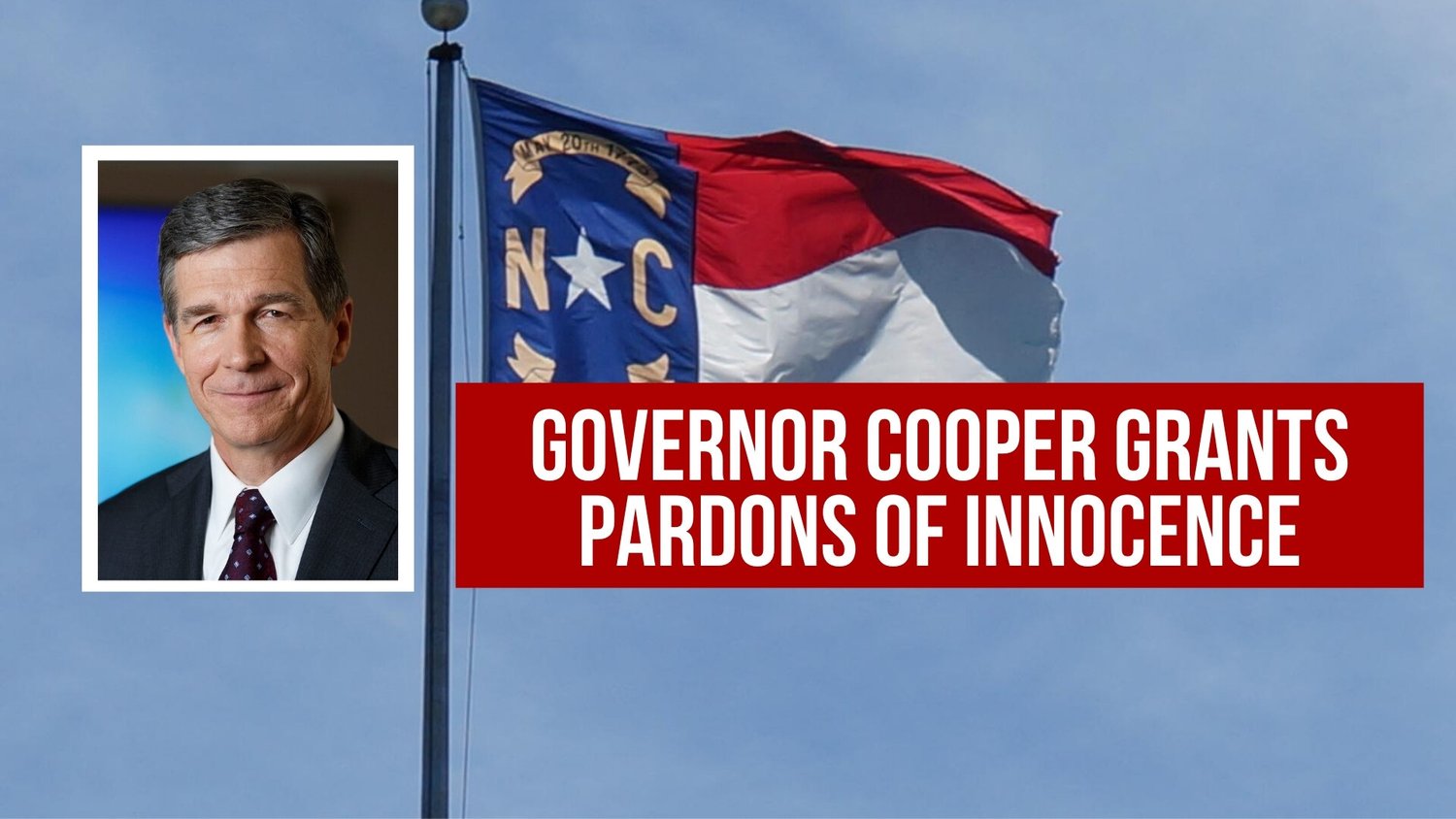
Governor Roy Cooper has granted Pardons of Innocence for five men convicted of crimes they did not commit: Ronnie Wallace Long, Teddy Lamont Isbell, Sr., Damian Miguel Mills, Kenneth Manzi Kagonyera and Larry Jerome Williams, Jr.
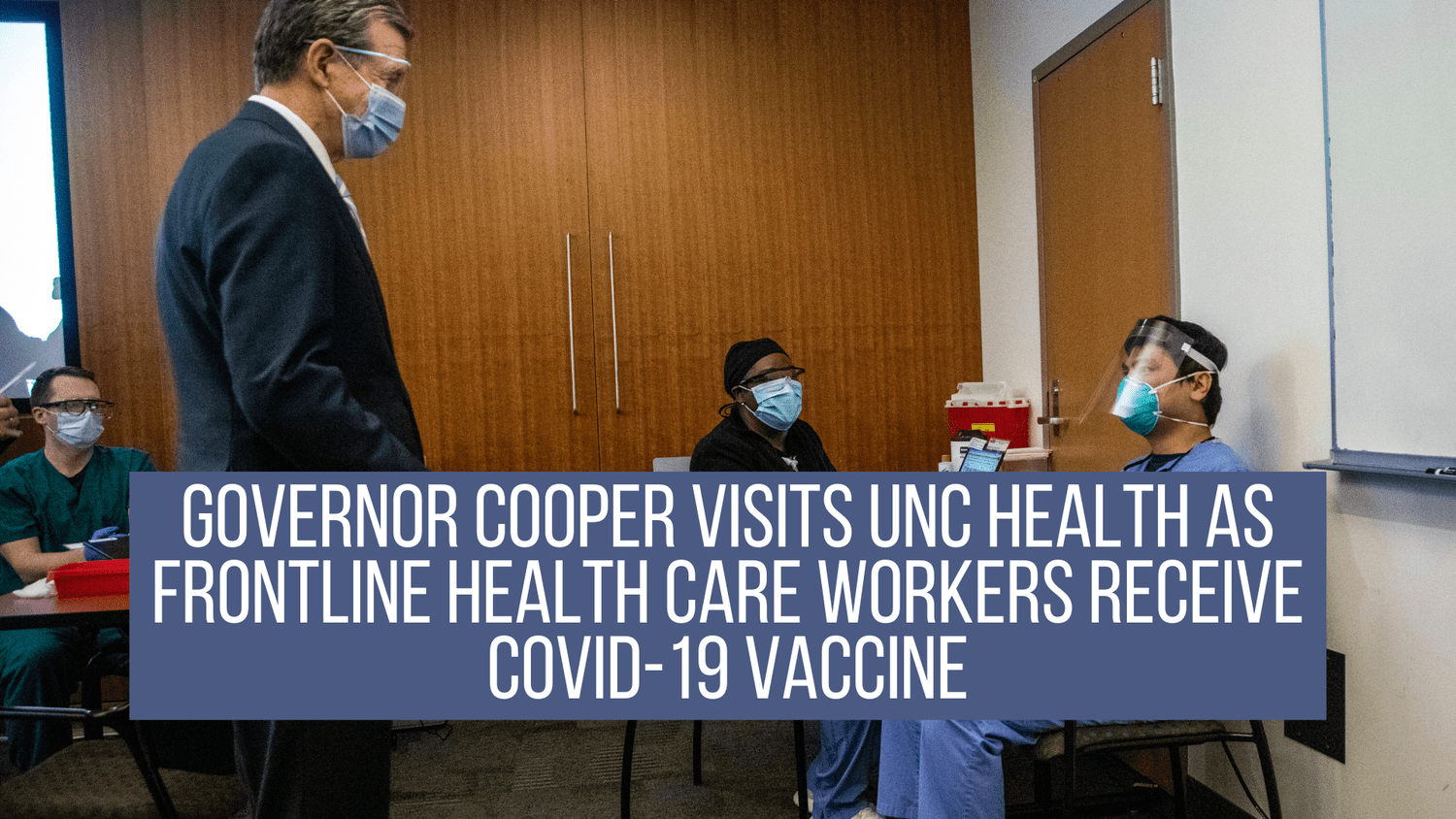
Today, Governor Roy Cooper and North Carolina Department of Health and Human Services (NCDHHS) Secretary Dr. Mandy Cohen witnessed some of the first COVID-19 vaccinations in the country at UNC Medical Center in Chapel Hill. UNC Health has begun administering the first doses of the Pfizer vaccine to health care workers who interact with COVID-19 patients. This includes doctors, nurses, custodial staff and more employees who have risked their health to care for patients infected with this virus.
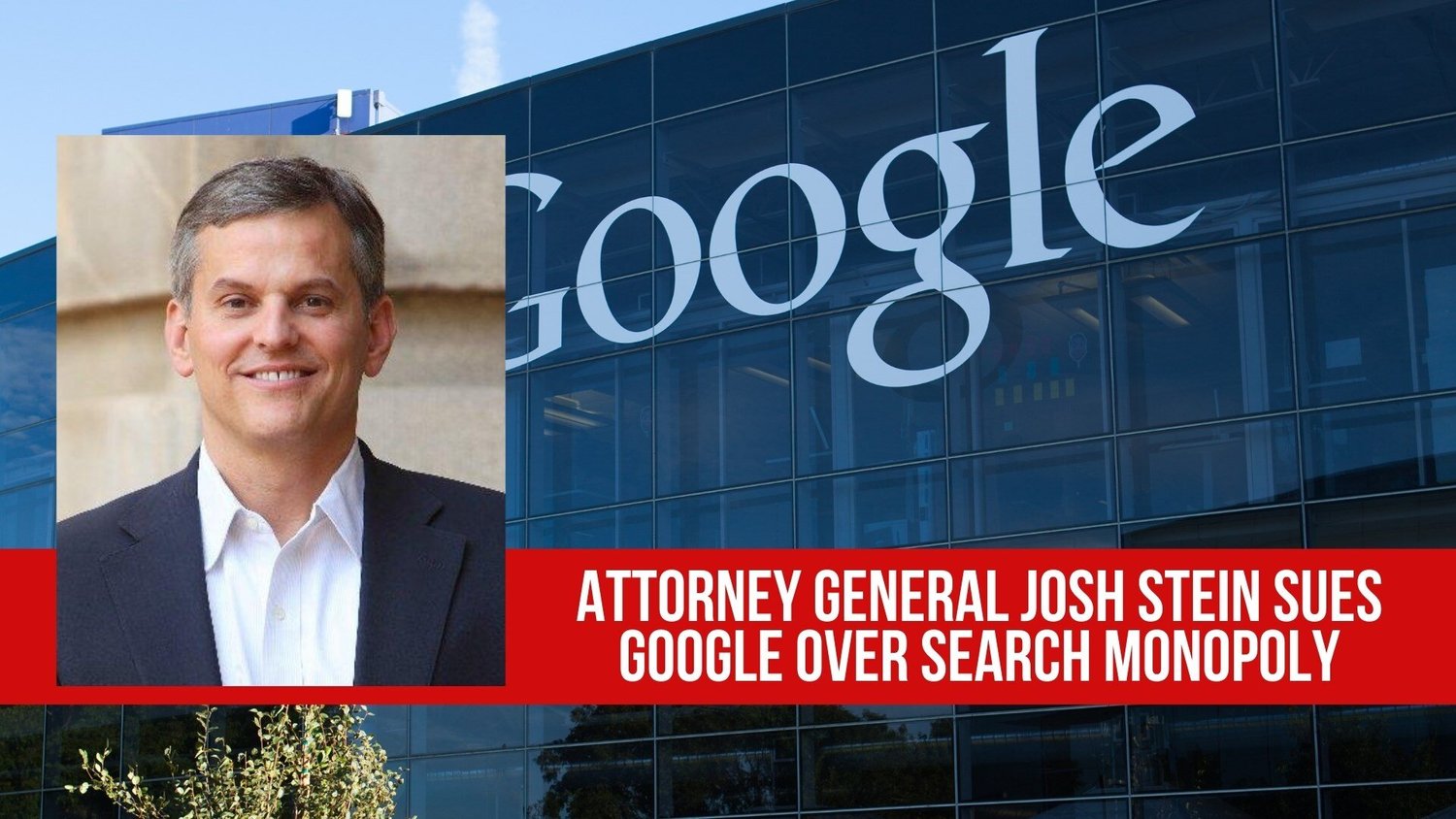
Attorney General Josh Stein today sued Google over its search monopoly. Specifically, Attorney General Stein alleges that Google has used anticompetitive exclusionary contracts and conduct to illegally maintain a monopoly over search engines and related advertising markets. As a result, Google has deprived internet users of competition that would have provided greater choice, innovation, and better privacy protections.
Nearly $30 million will go to fund 18 broadband infrastructure projects with a goal of connecting 15,965 households and 703 businesses in rural North Carolina to high-speed internet, Governor Cooper announced Thursday. The grants are part of the 2020 Special Supplementary Round of the Growing Rural Economies with Access to Technology (GREAT) Grant program and will be distributed through the N.C. Department of Information Technology (NCDIT) Broadband Infrastructure Office (BIO).
The Federal Transit Authority has awarded the N.C. Department of Transportation’s Integrated Mobility Division a $900,000 grant to help Triangle area communities create plans for development along the S-Line rail corridor.
RALEIGH — The N.C. attorney general can’t keep and distribute money from a settlement over hog waste that leaked and overflowed from lagoons. A split 2-1 panel of the N.C. Court of Appeals, in an opinion issued Tuesday, Dec. 15, ruled money resulting from a settlement between Smithfield Foods and the N.C. attorney general must flow into the state treasury. The ruling effectively ends the attorney general’s hog settlement “slush fund,” says Mitch Kokai, senior political analyst for the John Locke Foundation. It could also end any similar deals in the future involving officials in the state’s executive branch.
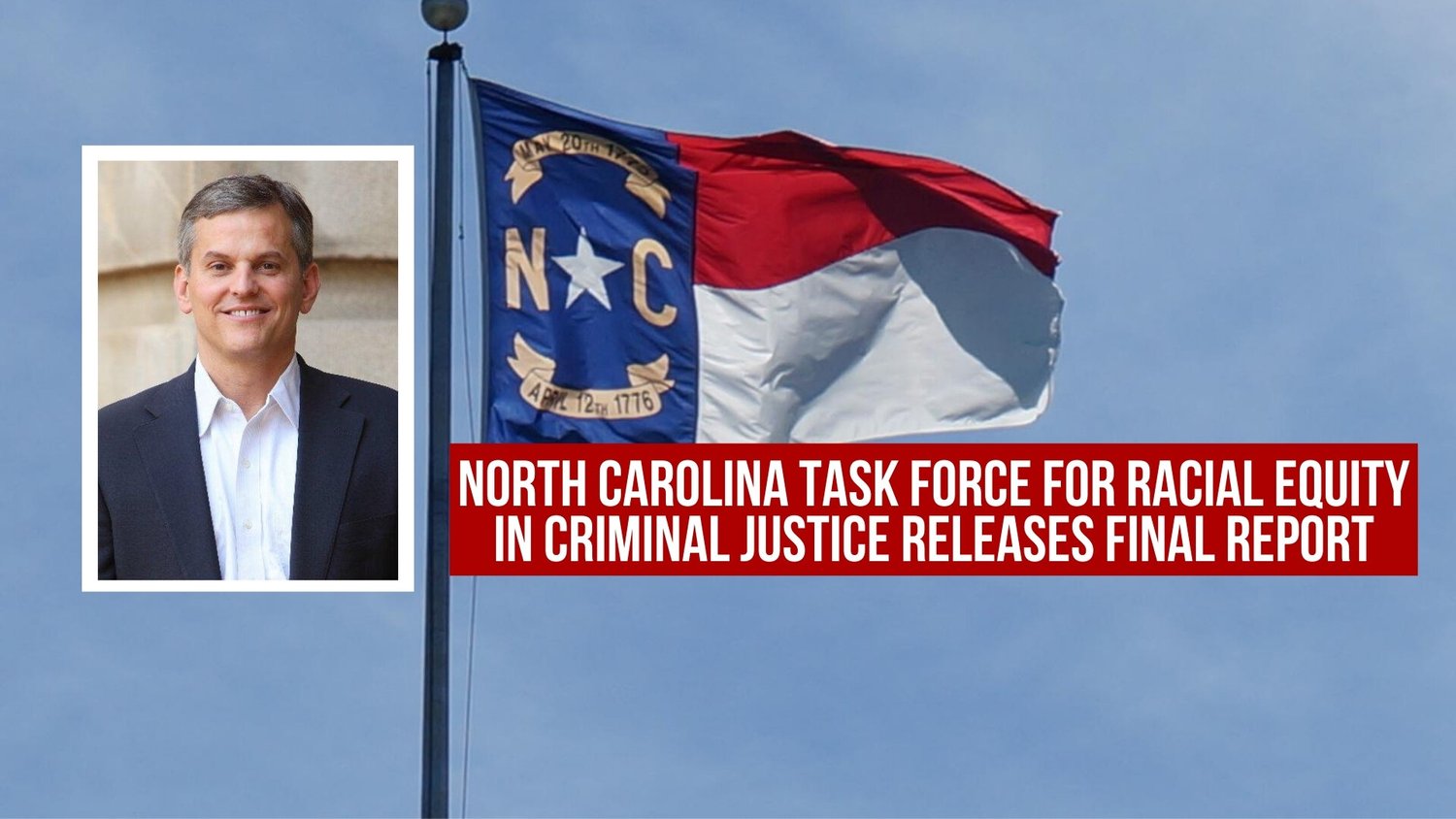
Attorney General Josh Stein and Associate Justice Anita Earls, co-chairs of the North Carolina Task Force for Racial Equity in Criminal Justice, delivered the Task Force’s recommendations report to Gov. Roy Cooper earlier this week. In its report, the Task Force recommends solutions to stop discriminatory and biased practices, achieve racially fair outcomes, and increase accountability in the law enforcement and criminal justice systems.
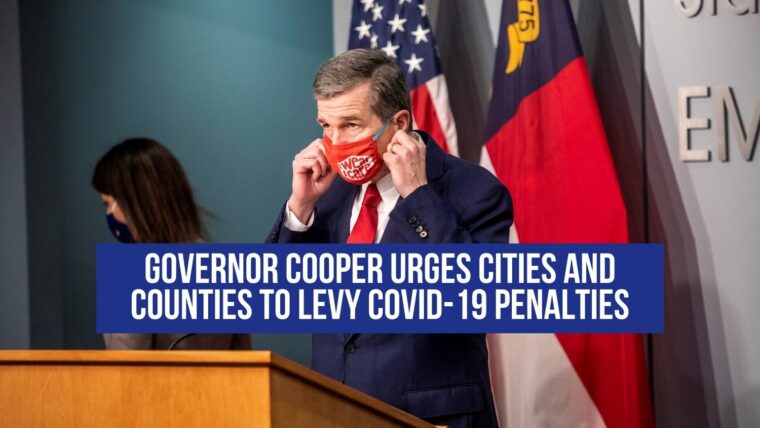
On Friday, Governor Roy Cooper, Secretary Mandy K. Cohen and Secretary Erik Hooks wrote a letter to local elected officials imploring them to help slow the spread of COVID-19 in their communities by considering additional enforcement measures.