
RALEIGH – Federal officials are offering North Carolina and other states a six-month hold-harmless period before Medicaid applicants or beneficiaries can be denied or disenrolled for failing to meet new work requirements.
The Centers for Medicare & Medicaid Services announced the option Friday in a letter to state Medicaid directors. States that request and receive approval may suspend work-rule denials and terminations through June 30, 2027, or use a shorter period.
The option does not eliminate the federal community-engagement requirement. During the transition, states must continue checking whether affected applicants and beneficiaries meet the requirement, qualify through another activity or fall within an exclusion. CMS said the testing period is intended to help states identify system, staffing and notice problems before penalties begin.
The hold-harmless policy applies only to denials and disenrollments based on community engagement. It does not prevent action when a person fails another Medicaid eligibility test, such as age or household income.
North Carolina’s current public guidance still lists Jan. 1, 2027, as the start date for affected adults ages 19 through 64. It says people generally must work, attend school, volunteer or earn a qualifying amount for 80 hours a month, unless an exclusion or short-term hardship applies.
The NC Medicaid pages reviewed Friday evening did not say whether the state will seek the federal option. To use it, CMS says a state must include the request in a mitigation plan and receive agency approval.
Even if North Carolina chooses the transition period, affected residents could still be asked to provide information and renew eligibility every six months. The difference is that otherwise eligible people would not be denied or removed solely because they had not demonstrated compliance with the work rule during the approved period.
The Washington Post reported that the federal update followed concerns that states might need more time to implement the requirement without avoidable coverage losses. CMS said states should use available data and automated processes where possible and provide clear assistance when more information is needed.
For North Carolina, the immediate decision is whether to seek the temporary protection while continuing its Jan. 1 implementation work. Until the state announces a choice, current NC Medicaid instructions remain the operative public guidance.
Sources
- Centers for Medicare & Medicaid Services: State Medicaid Director Letter #26-006
- NC Medicaid: Work and Community Engagement Requirement
- The Washington Post: States can delay Medicaid work-requirement penalties
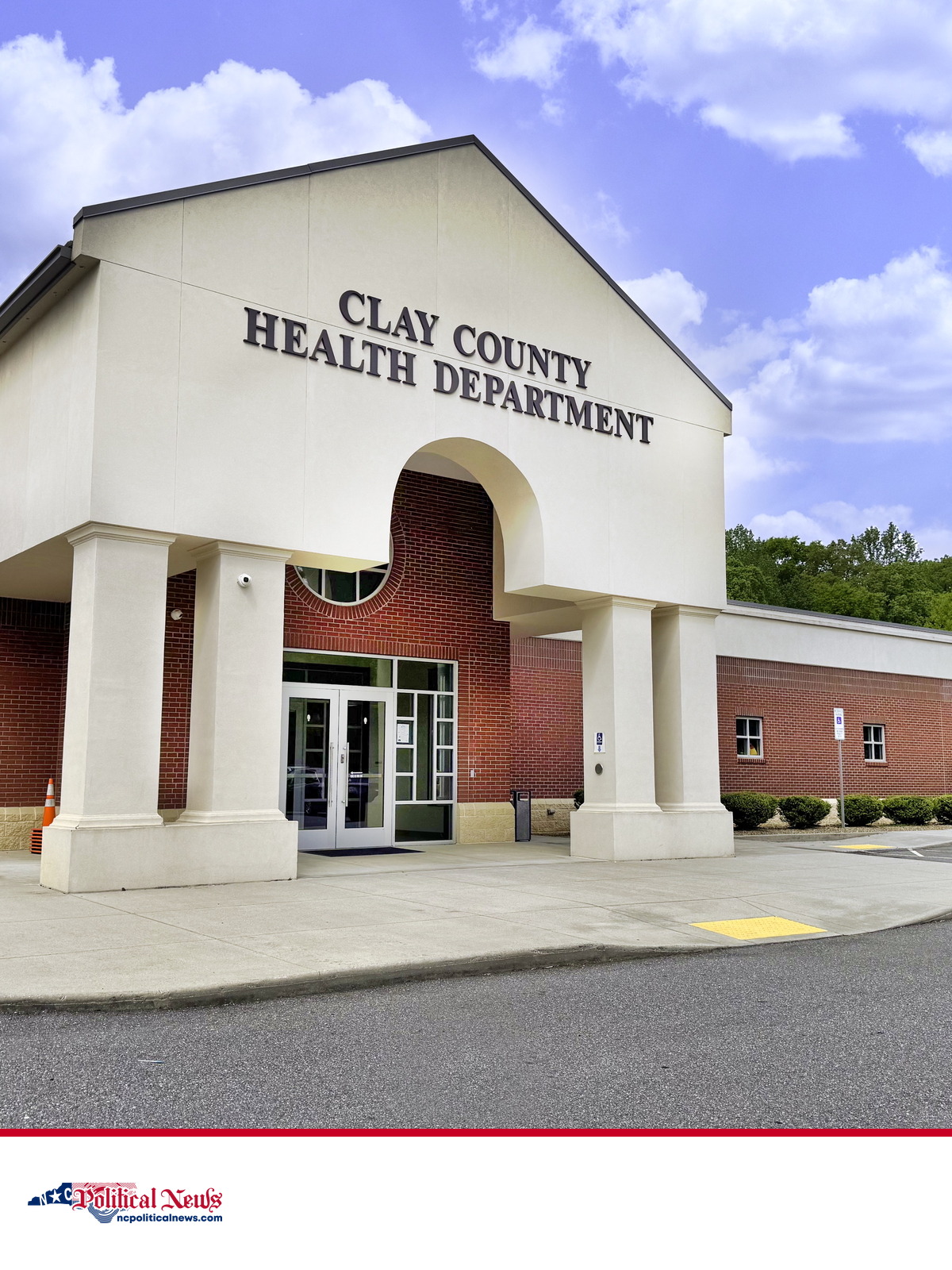
Photo Credit: Harrison Keely via Wikimedia Commons, licensed CC BY 4.0. Contextual photograph of Clay County Health Department in Hayesville, North Carolina, photographed April 29, 2025. Center-cropped and resized.
Editor’s Note: This article was drafted with the assistance of artificial intelligence and was reviewed and fact-checked by a member of the NC Political News editorial team before publication.