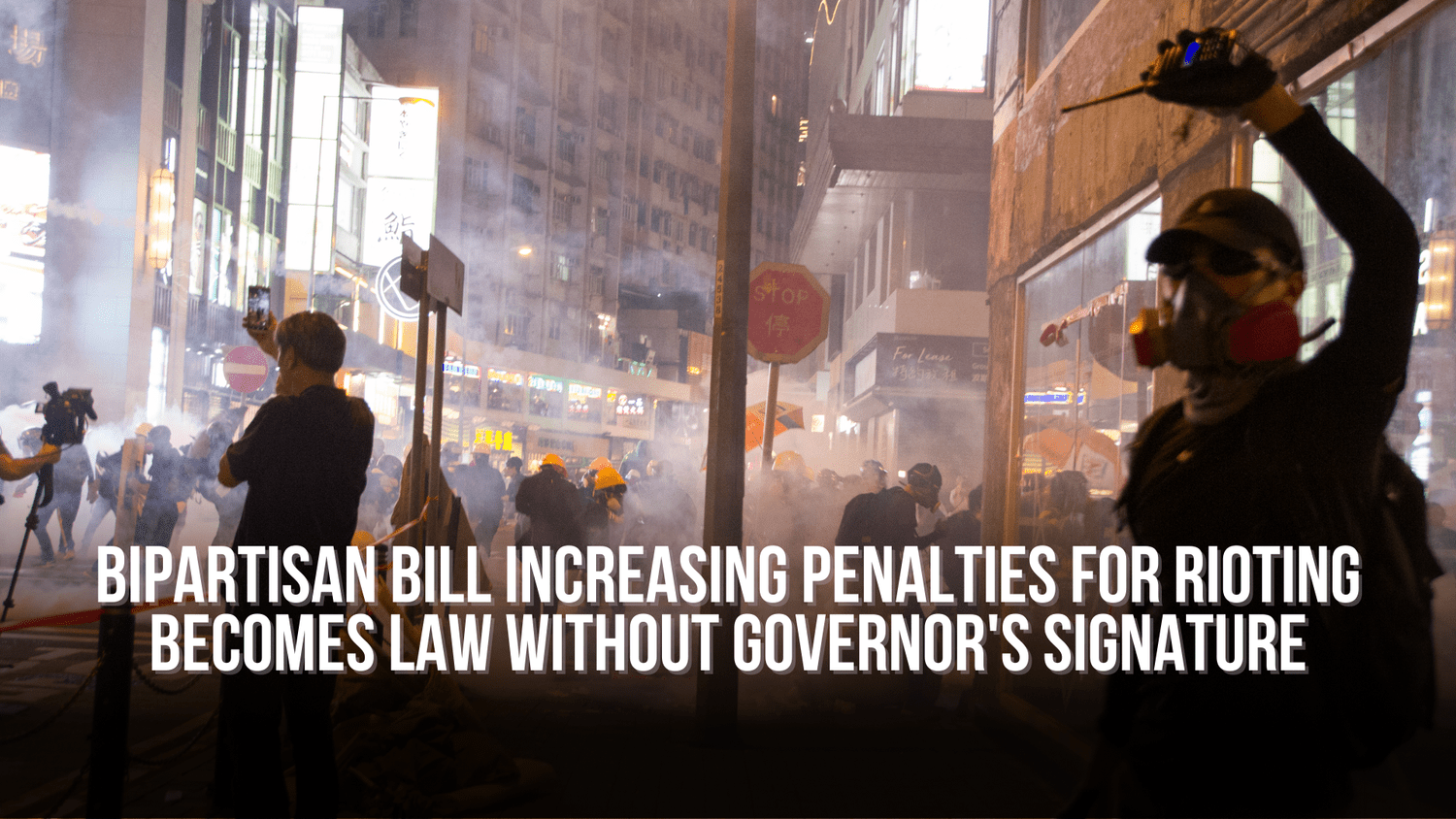
Bipartisan Bill Increasing Penalties for Rioting Becomes Law Without Governor’s Signature
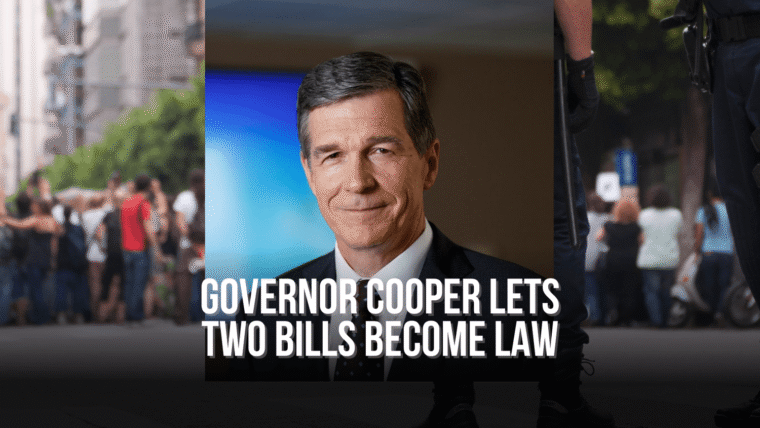
Governor Cooper let House Bill 40 become law without his signature.

Governor Cooper let House Bill 40 become law without his signature.
Governor Roy Cooper let the following bills become law without his signature:
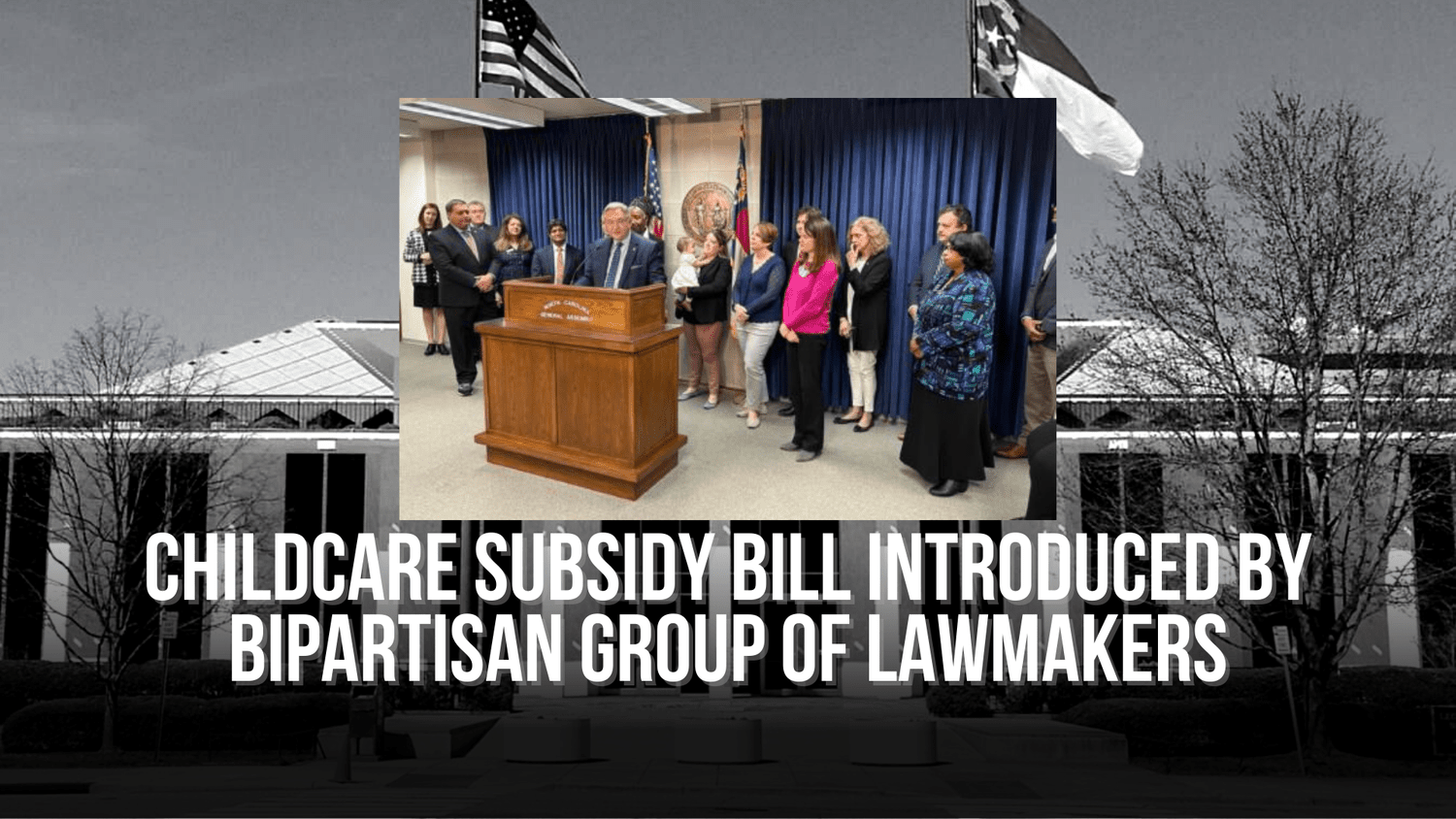
A bipartisan groups of Republican and Democratic lawmakers recently announced in a press conference that addressing early childhood education policy would be a priority this legislative session.
North Carolina’s state pension system was among the victims of the recent collapse of two large Silicon Valley, California banks, with the loss of millions in stock at both banks.
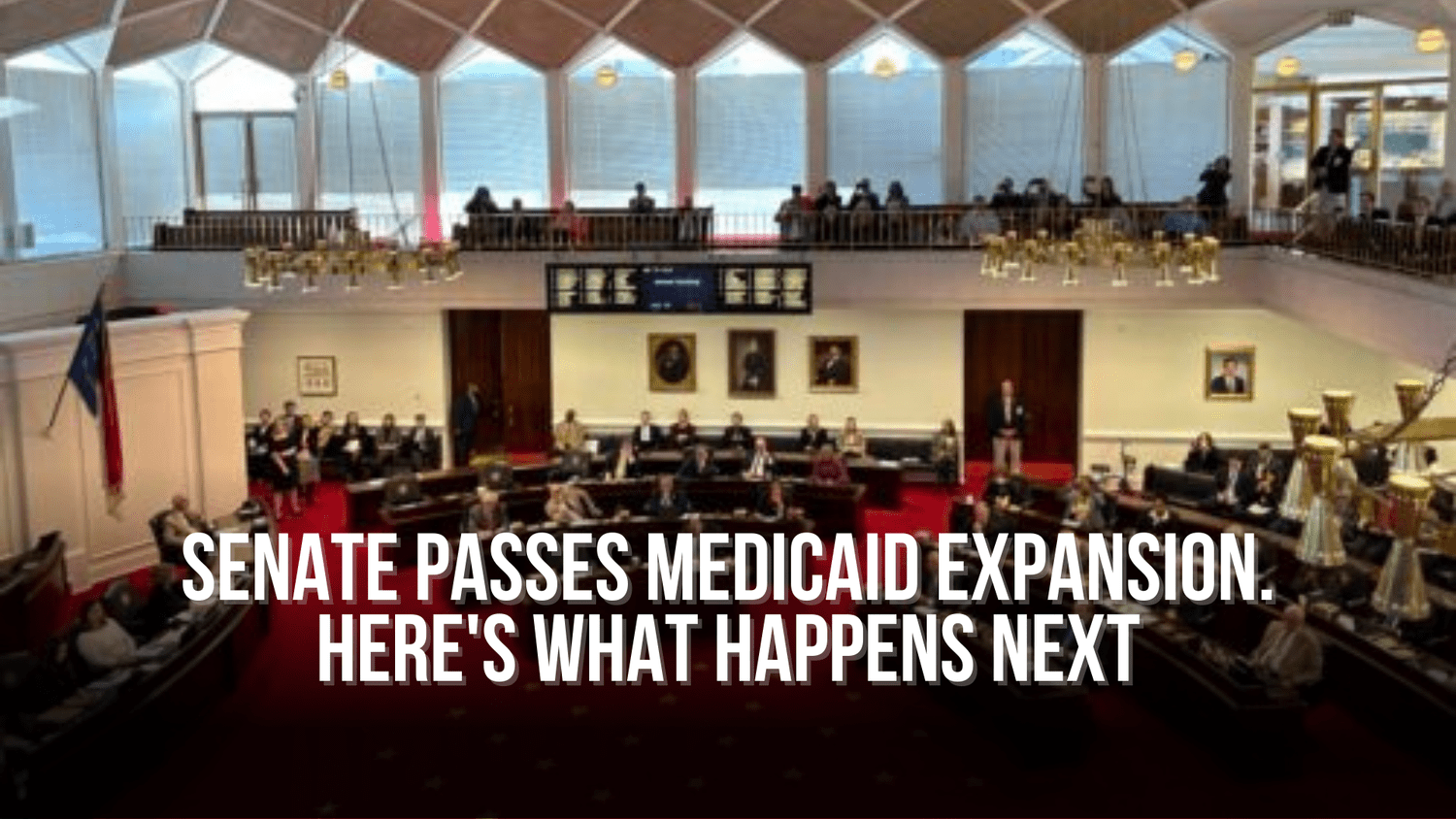
This week, the Senate passed House Bill 76 (H.B. 76), legislation that will expand Medicaid by a vote of 43-2. The bill now heads to the state House for concurrence, and lawmakers there are expected to vote on it next week.
Every year I have hope that whatever sane adults exist in positions of power will come together to ensure we never again have to deal with government-mandated clock shifting. But every year the disappointing “spring forward” arrives, as it did this week.
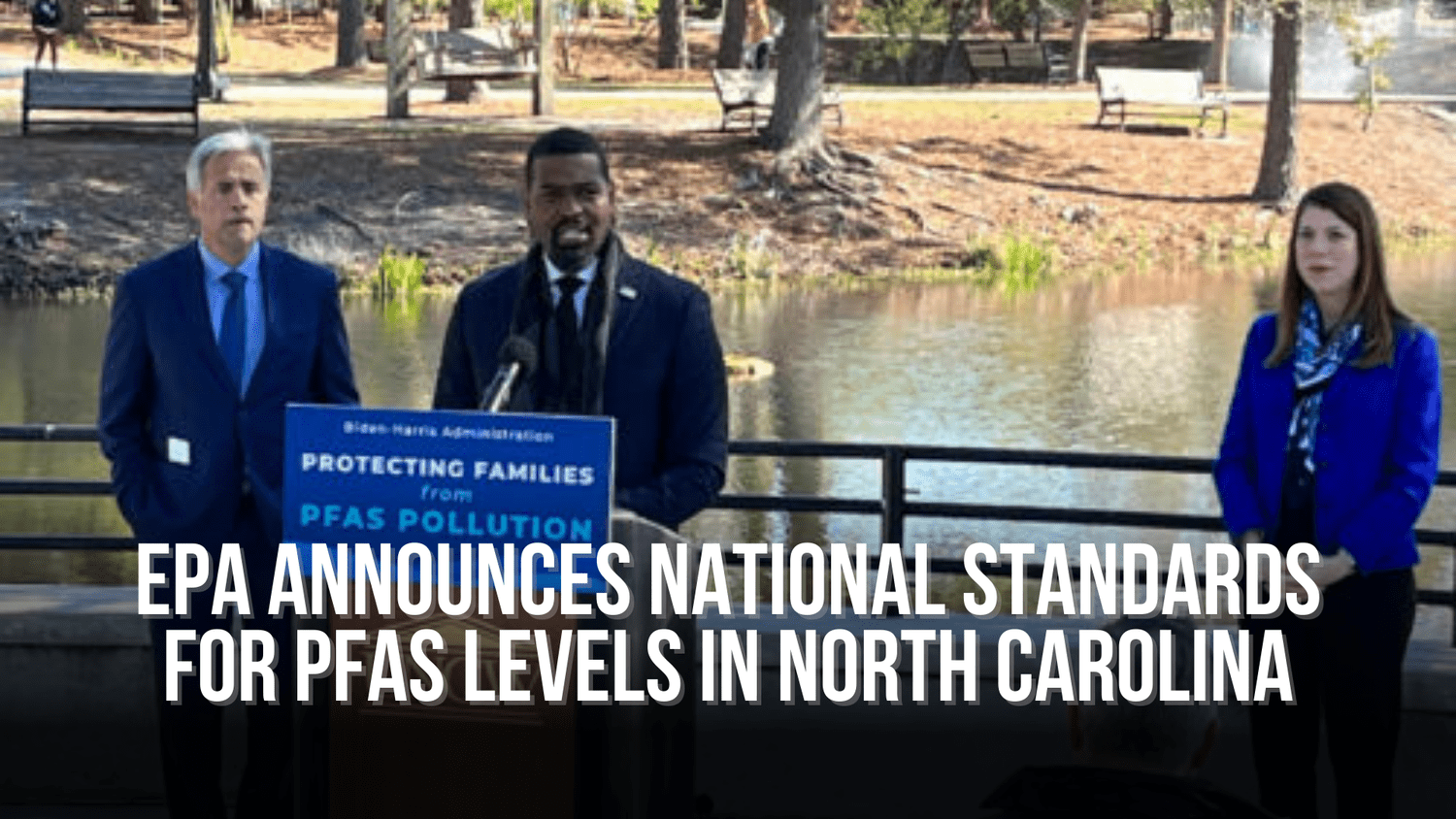
EPA Administrator Michael Regan announced a first of its kind National Primary Drinking Water Regulation at a press conference in Wilmington on Tuesday. The regulation applies to six PFAS (Per- and polyfluoroalkyl substances) also known as “forever chemicals” that can be found in drinking water.
Gov. Roy Cooper unveiled what he called his “First in Opportunity” budget at a press conference Wednesday, proposing to spend $32.95 billion in the first year of the biennium and $34.23 billion in the second year. The budget keeps $7 billion in reserve and doesn’t raise taxes, but halts some planned tax cuts.
The North Carolina Senate approved a conservative healthcare access bill that reforms our state's Certificate of Need laws and expands access to health insurance.
in North Carolina and across the country are struggling to find qualified workers to fill key positions in their organizations. As they reconsider the minimum qualifications they are willing to accept, those screening candidates are increasingly setting aside the requirement of a four-year degree.
the North Carolina House passed a bill that would prohibit local governments from blocking consumers from certain types of energy sources, by a vote of 76-38.
Senate Leader Phil Berger (R-Rockingham) released the following statement on Gov. Roy Cooper's budget proposal: