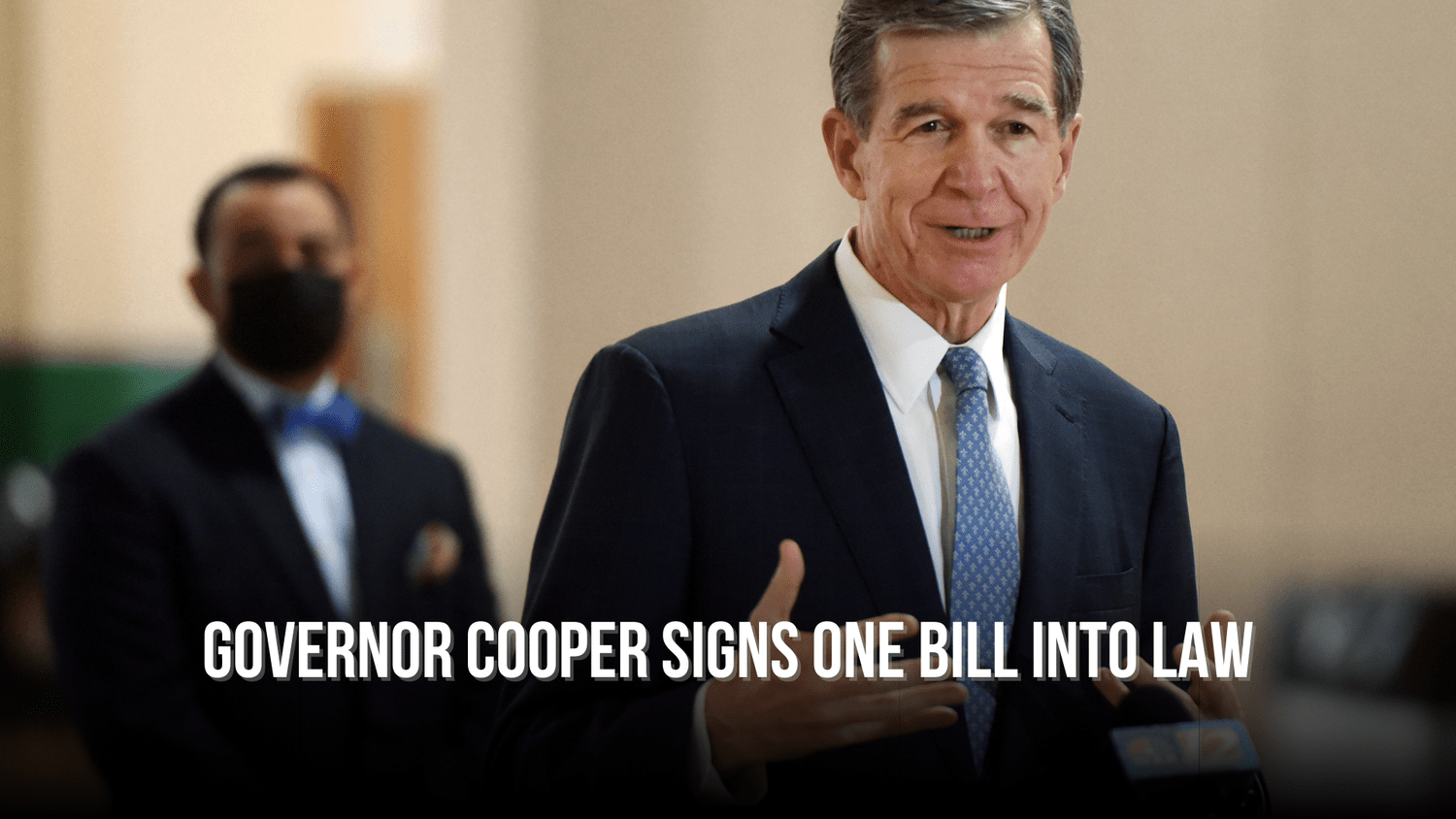
Governor Cooper signs one bill into law
Governor Roy Cooper signed the following bill into law:
Governor Roy Cooper signed the following bill into law:
Congresswoman Alma Adams (D-NC-12) and Representative David Rouzer (R-NC-07) announcing introduction of H.R. 7078, the LIHTC Financing Enabling Long-term Investment in Neighborhood Excellence Act or LIFELINE Act in the United States House of Representatives.
Governor Roy Cooper today outlined steps on moving North Carolina forward from COVID-19. Cooper was joined by Kody Kinsley, Secretary for North Carolina Department of Health and Human Services (NCDHHS), who explained the Department’s plan to adapt in this new stage.
Today, the North Carolina General Assembly filed a petition for writ of certiorari with the Supreme Court of the United States in the ongoing redistricting cases.
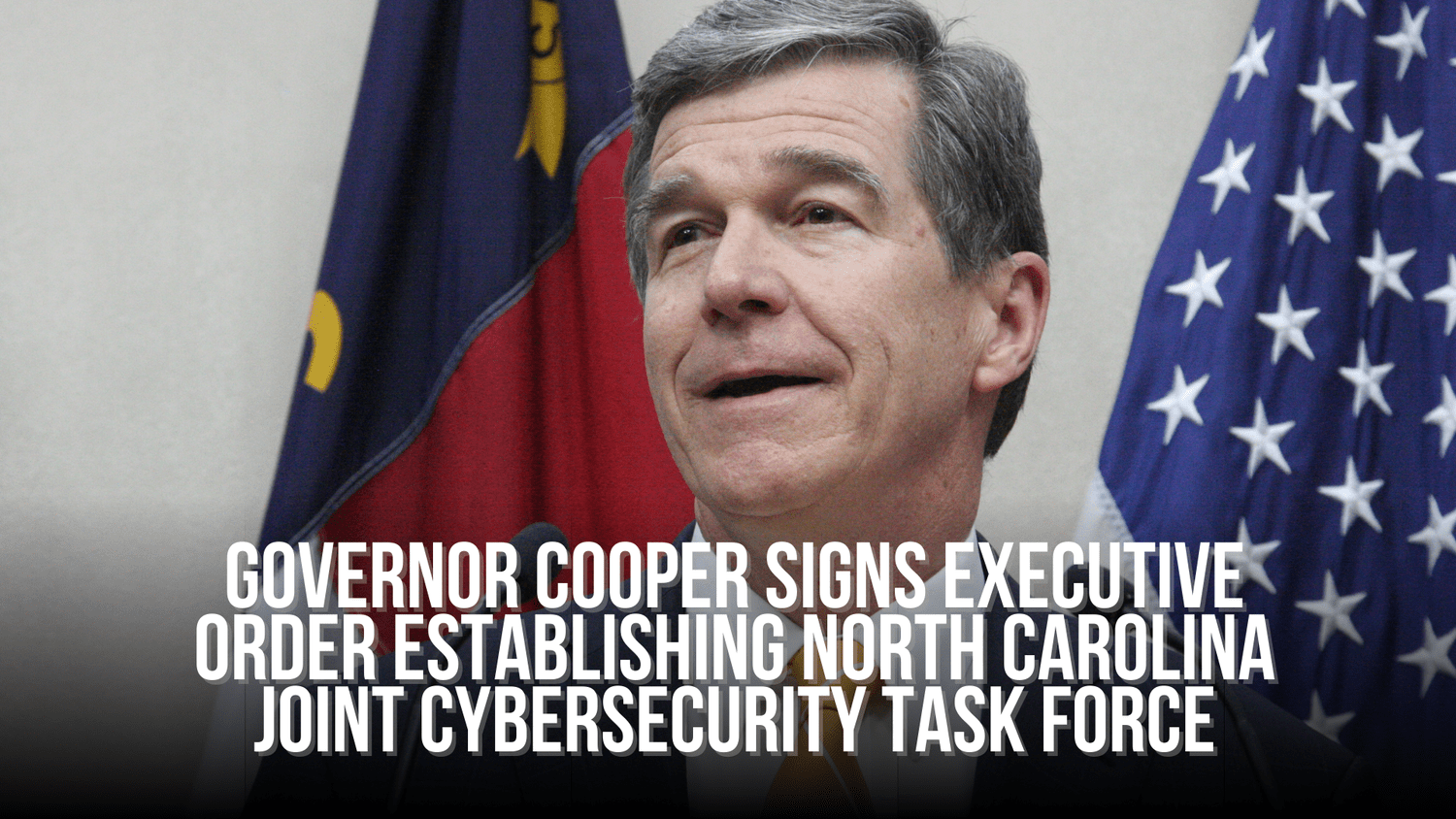
Governor Roy Cooper signed Executive Order No. 254 formally establishing the State of North Carolina Joint Cybersecurity Task Force.
It costs a lot more to train a future engineer than to train a future journalist. Some smart aleck might suggest the cost differential is entirely understandable, since a poorly trained engineer will tend to wash out of her profession while a poorly trained journalist might well rise to the top of his.
Higher education has helped countless North Carolinians achieve a bright and successful future — for our children, our families, and our state. But not everyone has the same access to the opportunities a higher education provides.
A unanimous three-judge panel of the N.C. Court of Appeals has ruled Greenville's red-light camera program unconstitutional. The judges agreed the program does not provide enough of its proceeds to local schools.
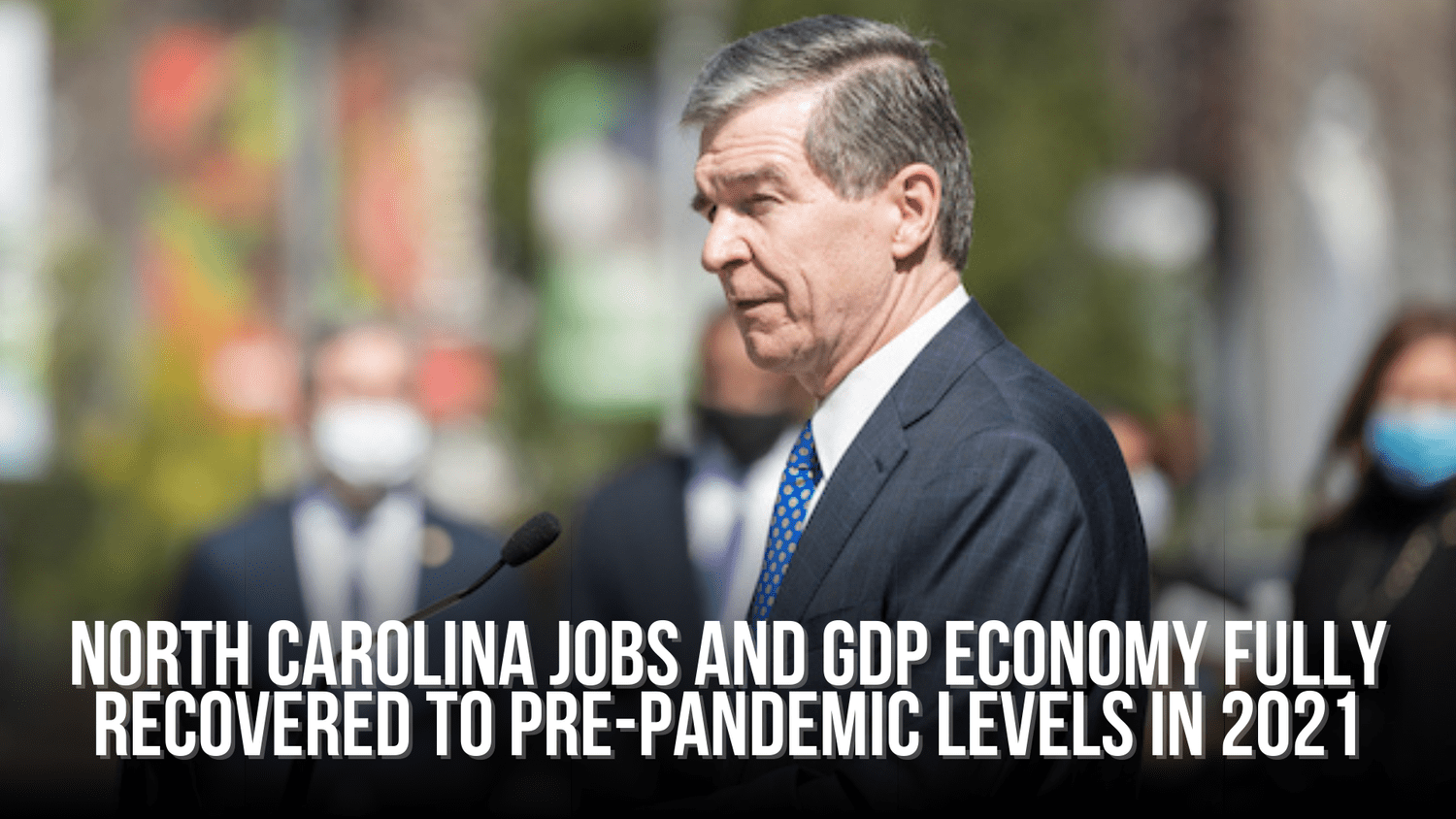
North Carolina’s economy fully returned to the employment level it enjoyed before the COVID-19 pandemic sent the world into an economic recession, state economists said Monday. The state’s economy recovered to pre-pandemic employment levels in July of 2021 and the GDP even earlier, and the state’s economy continues to grow despite concerns of inflation and high gas prices.
There aren’t many things that bring people from all sides together politically these days. But ending the practice of putting our clocks forward in the spring then backward in the fall is one that enjoys wide, bipartisan agreement.
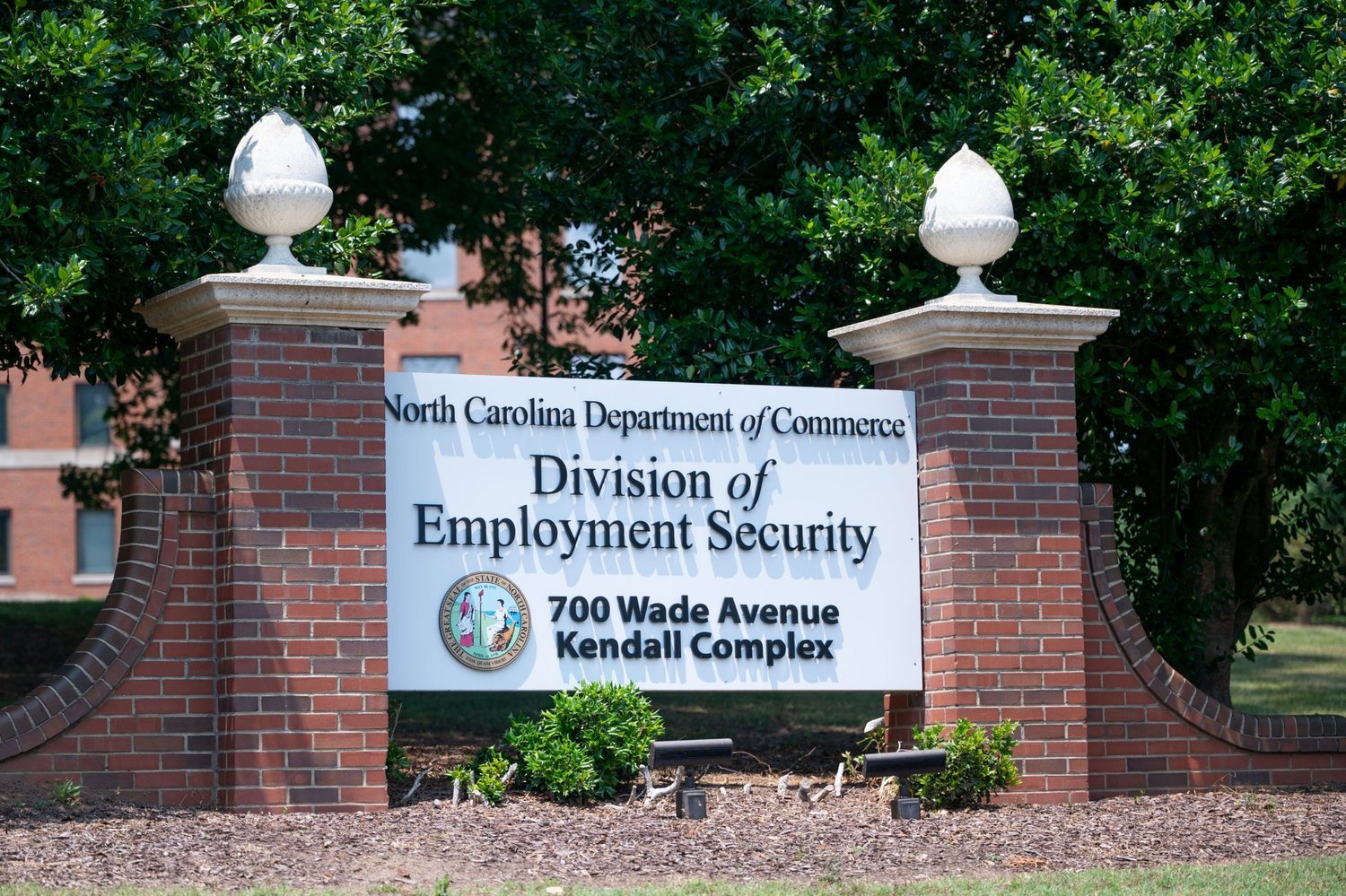
Nearly half a billion dollars in first-time unemployment benefits in North Carolina were not paid out in a timely manner during the height of the COVID-19 pandemic. That’s according to an audit released from State Auditor Beth Wood’s office on Monday. The Division of Employment Security didn’t issue $438 million of first unemployment benefit payments during the period of January 1, 2020, through March 31, 2021.
In 2021, Durham’s homicide rate jumped by 30%, reaching a record of 50 murders for the year. City leaders have been scrambling for solutions, and by a 4-3 vote, decided to adopt a pilot program for the gunshot-detection system ShotSpotter.