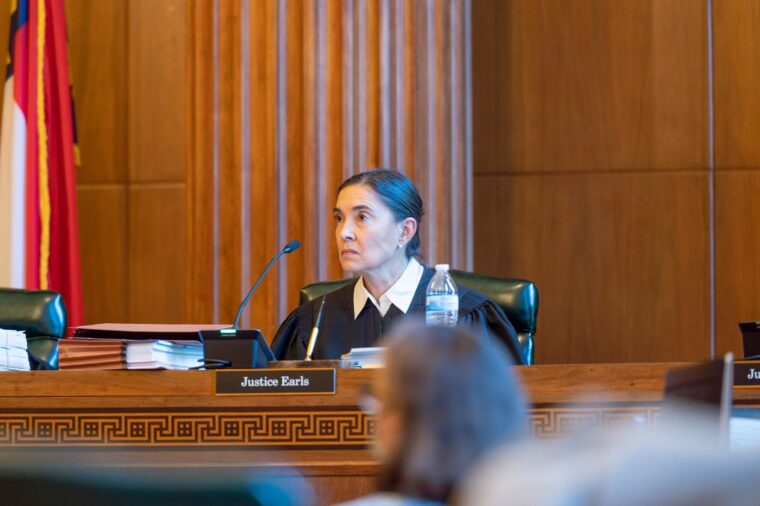
The N.C. Supreme Court has ruled, 4-2, that 220,000 state government retirees had a contractual right to premium-free health care benefits that had been promised to them. Now a trial court will have to determine whether state changes to those benefits a decade ago violated the contract.
We live in boxes created for us by leftists. They control the news, education, law, politics, and they control the narratives from science. They increasingly have a near-monopoly on what and how we think.
The North Carolina General Assembly is going to stay in Republican hands after the 2022 midterms. For state Democrats, this is a bitter pill to swallow. That they’ve already managed to swallow it, however, is evident in their manifest failure to recruit enough candidates to put up a credible fight this year for control of the legislature.
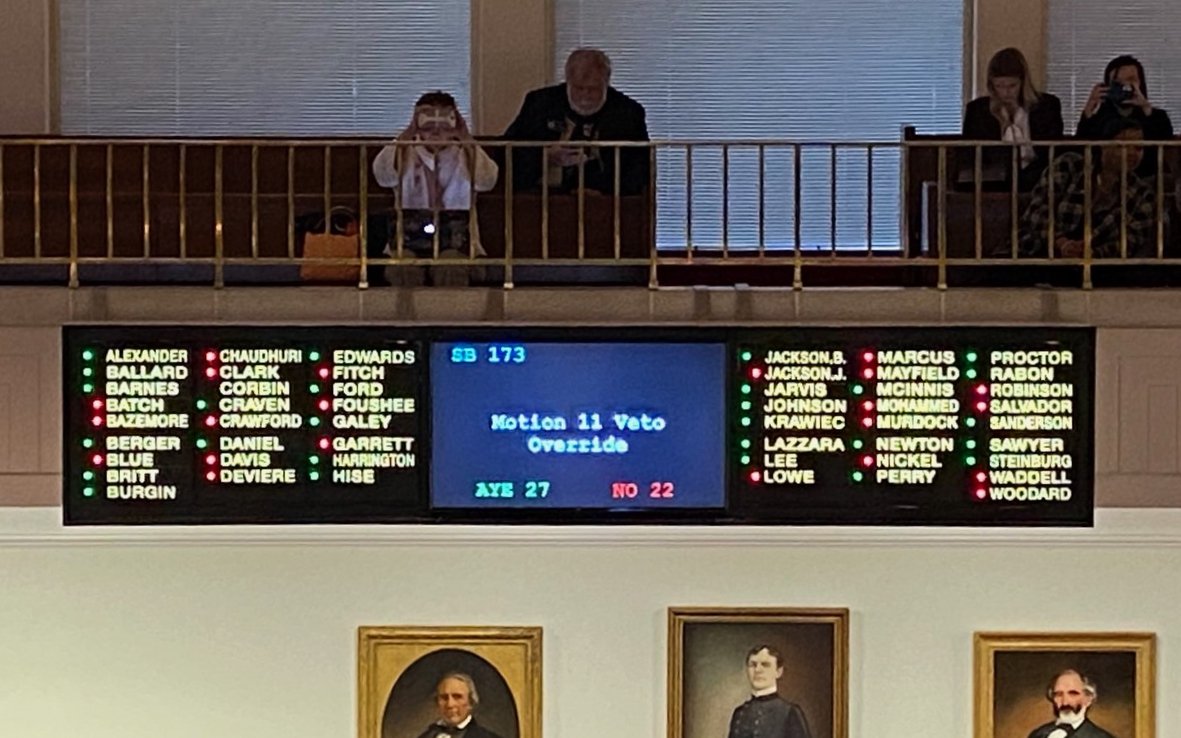
Neither state Senate Democrat who initially voted for the Free the Smiles legislation last month was willing to stick with that "yes" vote this week. Both of their "yes" votes turned into "no" when they had a chance to help override Gov. Roy Cooper's veto of the school masking measure.
Below are a few of the interesting and outrageous stories that caught my attention during the week. Sadly, there's not enough time to highlight all of them.
The N.C. Senate voted Wednesday evening to adjourn the longest long session of the legislature in decades, effective March 10. The adjournment resolution calls to reconvene the state legislature on April 4, then gavel out until May 4. The beginning of the short session would officially begin on May 18.
Even though gas prices now surpass $5 a gallon in many areas of the country, $4.13 in North Carolina, leaders from both sides of the aisle agree it's time to cut off Russian oil.
Many ideologues focus on the politics of higher gas prices and what it means for the November midterm elections. Yet, poorer North Carolinians and Americans across the country are bludgeoned by rising energy costs, particularly today’s sticker shock at the gas pump.
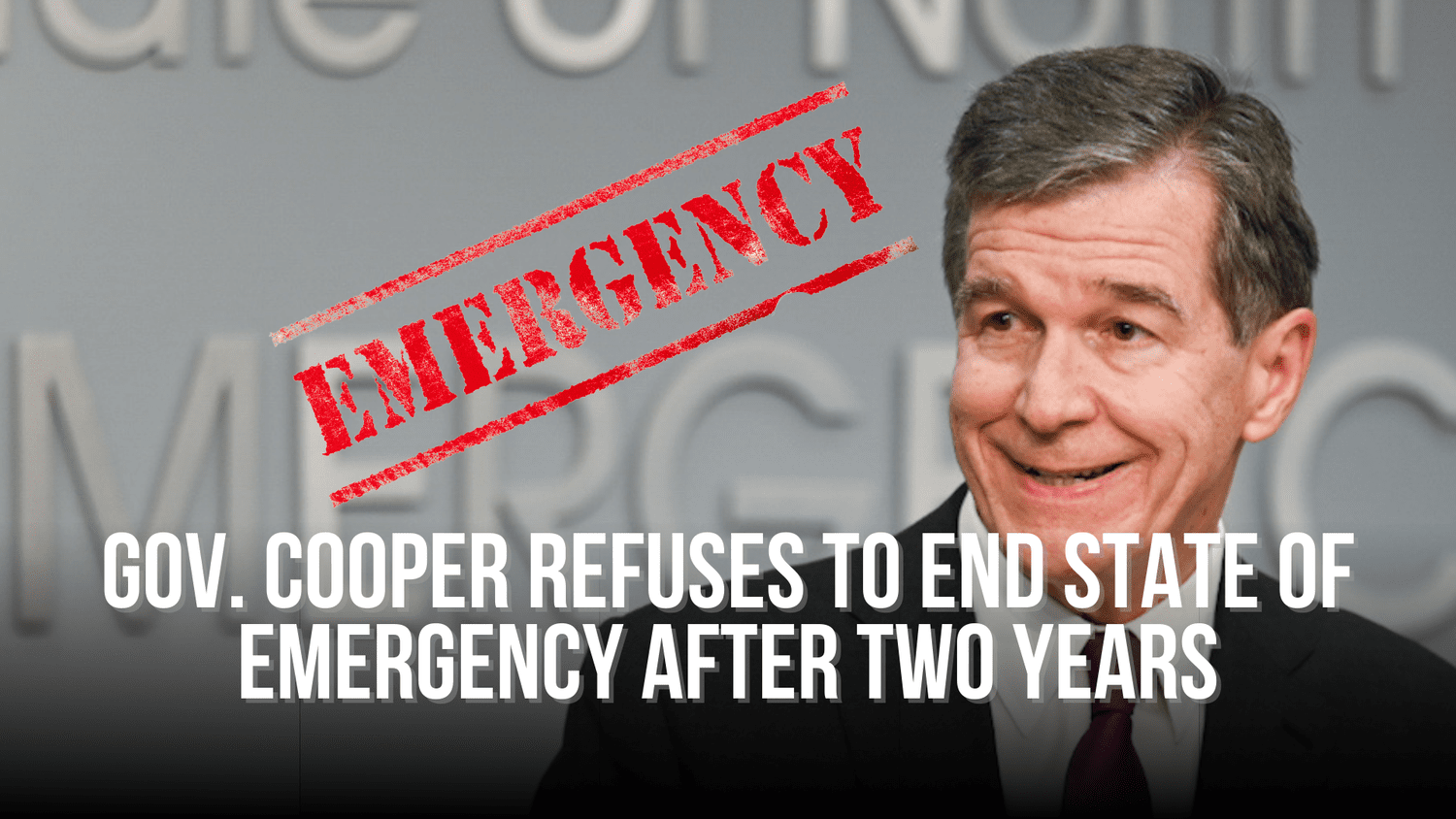
Governor Cooper has commuted the sentences of three people who were convicted for crimes committed when they were teenagers. The commutations follow an intensive review of their cases, including the length of their sentences, their records in prison, and their readiness to succeed outside of prison.
The recent efforts by a bipartisan group of senators to pass updates to the Electoral Count Act (ECA) have caught the attention of media across the country, and rightly so. The 135-year-old ECA, as it currently stands, is unconstitutional, complex, and in desperate need of reform.