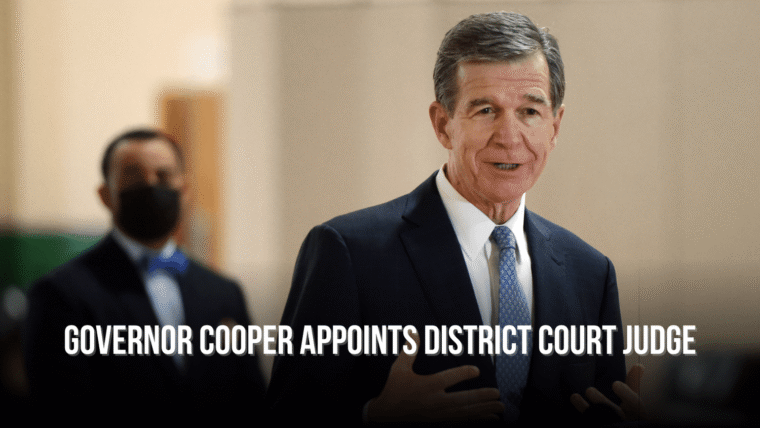
Governor Roy Cooper has appointed Brad Salmon to serve as District Court Judge to Judicial District 11, which serves Johnston, Harnett and Lee counties. He will fill the vacant seat created by the retirement of the Honorable Caron H. Stewart.
The COVID-19 pandemic brought many issues to the forefront, including the challenges the broader education system faces. School age kids from elementary through college navigated virtual learning, among other things. It demonstrated that education policy touches most every household in the United States and affects every sector of our state’s economy. As taxpayers, all North Carolinians have a vested interest in student outcomes.
Curtis Wynn, president and CEO of Roanoke Electric Cooperative, has been selected to receive the 2021 Larry Wooten Rural Leadership Award, awarded by Governor Roy Cooper and Agriculture Commissioner Steve Troxler.
Hosokawa Custom Processing Services, a contract chemical processor, will create 16 new jobs in Wayne County, Governor Roy Cooper announced today. The company will invest $6.5 million to relocate a processing center to Goldsboro.
“There’s a couple of reasons as to why I think we should call them government schools,” said DeAngelis during the closing session of Classical Liberals in the Carolinas’ recent annual conference. “One is that it provides clarity between charter schools and traditional public schools. Charter schools are defined as public schools, but they’re not government-run.”
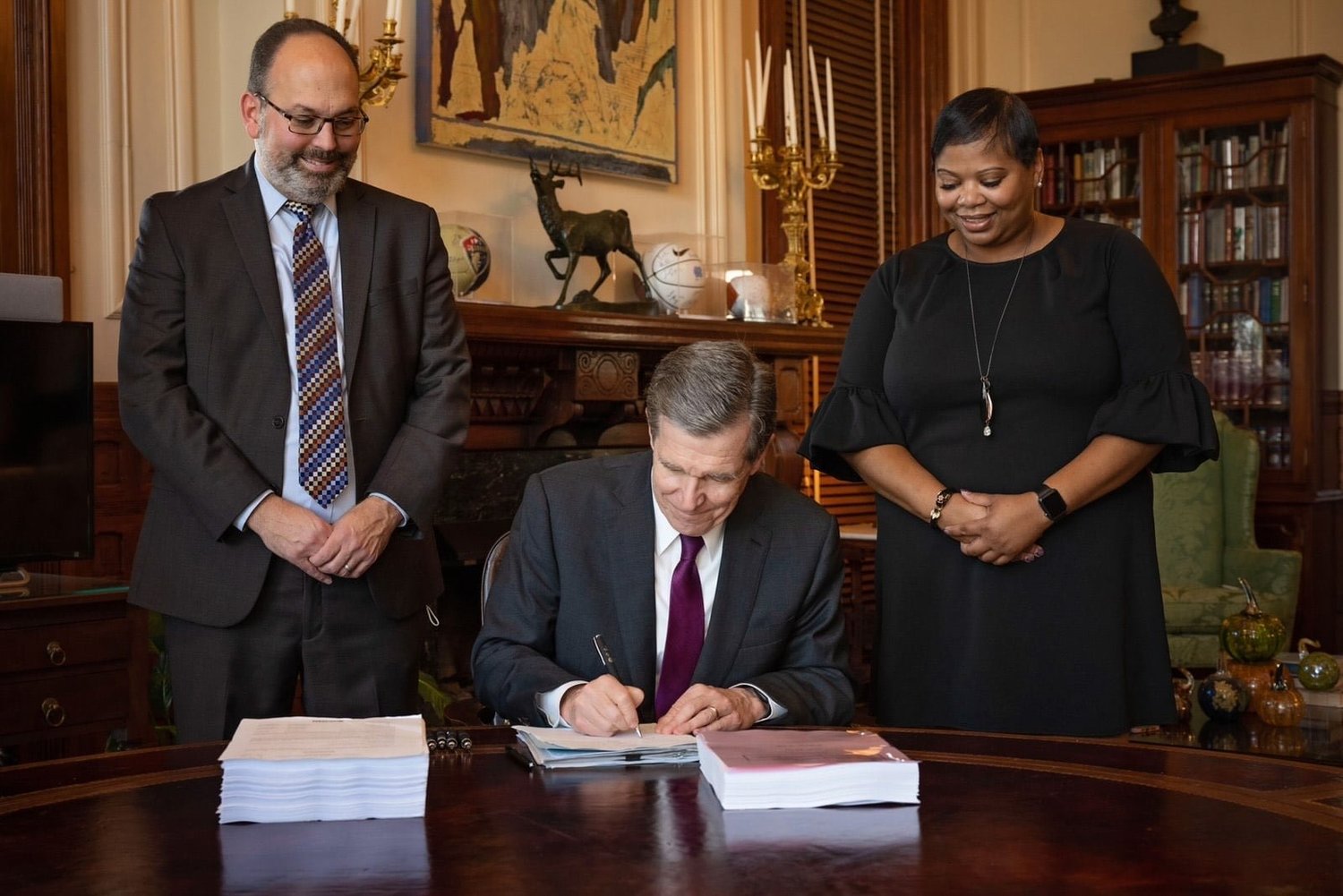
Gov. Roy Cooper on Thursday, Nov. 18, signed the $25.9 billion budget plan into law. It's the first budget from the General Assembly that Cooper has signed since taking office in 2017.
The COVID-19 crisis had enormous and destructive consequences for our health, our economy, our education systems, and the quality of our social and family lives. Now, just imagine how much worse the consequences would have been in the absence of modern information and computer technology (ICT).
Rampant inflation, supply chain issues, and the COVID-19 pandemic aren’t dampening the Christmas spirit at the international Christian charity Samaritan’s Purse.
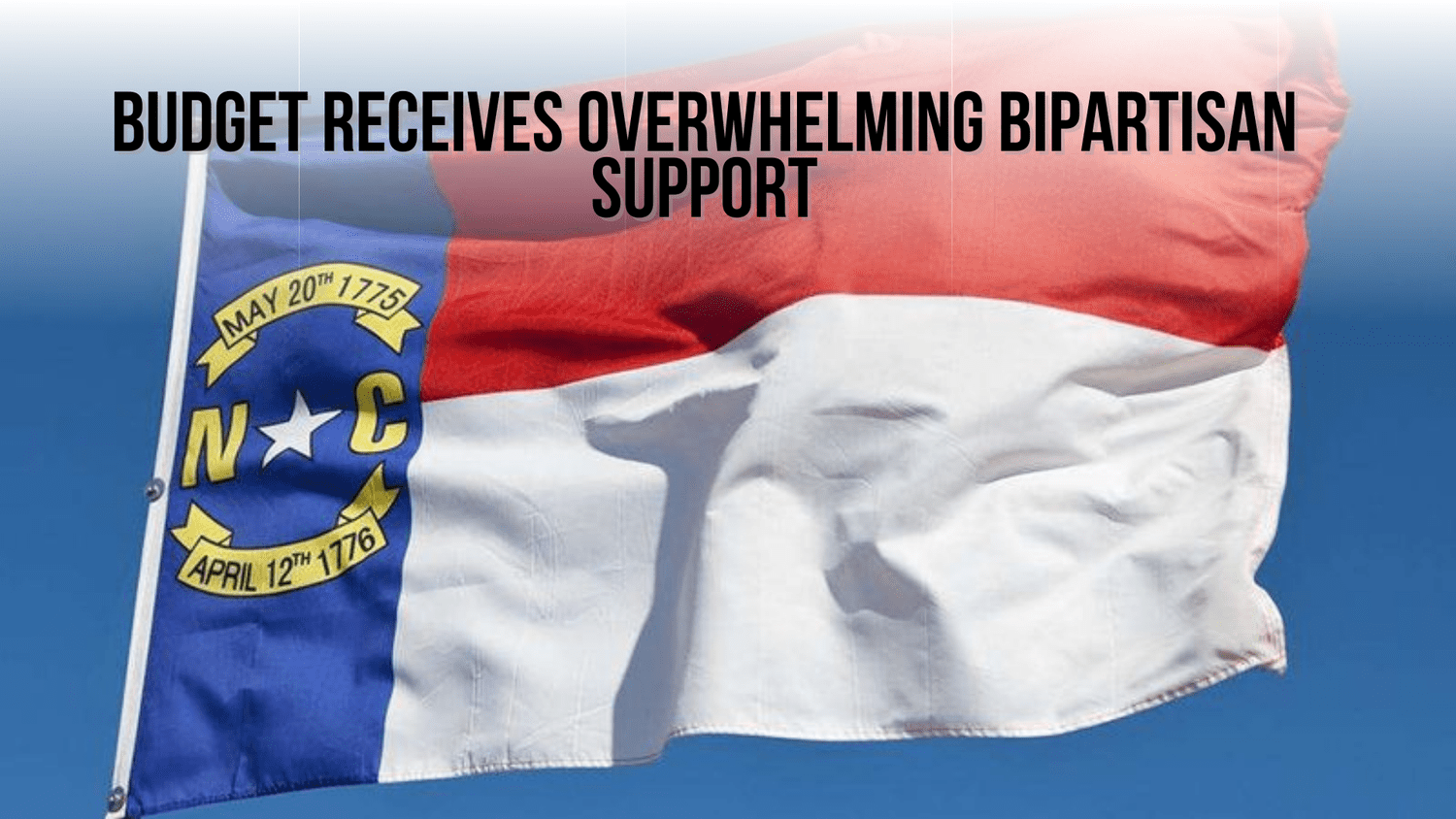
The N.C. General Assembly will begin votes Tuesday on the newly-released 2021-23 conference budget. The 2021-22 budget plan of $25.9 billion represents a 4.3% increase over the previous plan. The fiscal 2022-23 portion of the biennial plan is $27 billion, and the state’s rainy day fund grows to $4.25 billion by the end of the biennium.
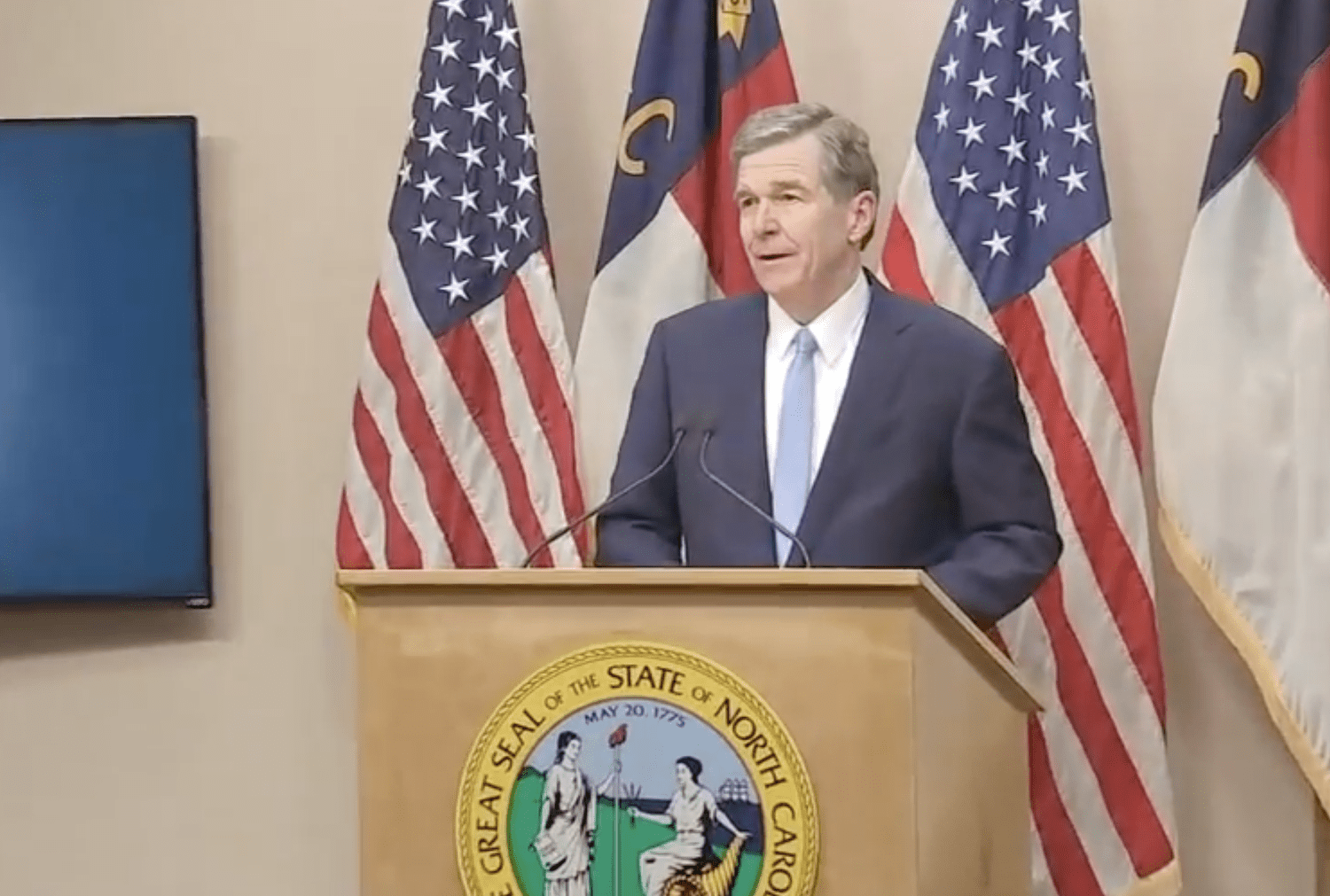
Gov. Roy Cooper says he will sign the first budget from the General Assembly since he took office in 2017. The announcement came in a news conference Tuesday, Nov. 16, and before the first vote from the Senate on Tuesday afternoon. As of Wednesday morning, the Senate has passed the budget 40-8, with 14 Democrats voting in favor of it. A final Senate vote is coming Wednesday with the House slated to vote Wednesday afternoon and Thursday.
Since opening last fall, the N.C. Housing Opportunities and Prevention of Evictions (HOPE) Program has awarded $593.7 million in rent and utility assistance, with more than $518 million already paid on behalf of families financially impacted by COVID-19. Of that amount, more than $472 million has already been sent directly to landlords statewide, providing a substantial economic boost to rental property owners that have also been affected by the pandemic.