Unemployment rates (not seasonally adjusted) decreased in 99 of North Carolina’s counties in July and remained unchanged in one. Scotland County had the highest unemployment rate at 9.1 percent while Avery County had the lowest at 3.5 percent.
A statewide campaign launched by the John Locke Foundation — publisher of The Carolina Journal — urges public school teachers to save $500 in dues each year by leaving the partisan N.C. Association of Educators.
Before Thomas Jefferson died in 1826, he wrote his own epitaph. Did he mention any of his political offices? No. Jefferson wanted only three accomplishments listed on his gravestone: author of the Declaration of Independence, founder of the University of Virginia, and author of the Virginia Statute for Religious Freedom.
More than 180,000 North Carolina households are getting critical assistance affording high-speed internet service thanks to a federal relief program that helps families in need pay internet bills and fully participate in the digital economy.
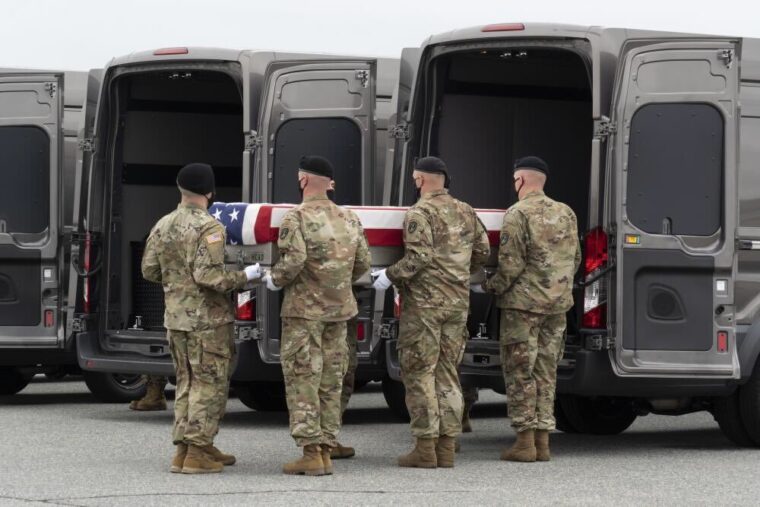
Family members and lawmakers, in Washington, D.C., and Raleigh, representing N.C. residents are mourning the deaths of a Marine and soldier who died in a terrorist attack while helping Americans and others evacuate from Afghanistan. Thirteen service members, including a Fort Bragg soldier and Camp Lejuene Marine, died while supporting Operation Freedom’s Sentinel, the Department of Defense announced Saturday, Aug. 28.
A lawsuit challenging N.C. constitutional amendments for voter identification and a lower state income tax cap has been removed from today's calendar of state Supreme Court oral arguments.
The Social Security Board of Trustees today released its annual report on the long-term financial status of the Social Security Trust Funds. The combined asset reserves of the Old-Age and Survivors Insurance and Disability Insurance (OASI and DI) Trust Funds are projected to become depleted in 2034, one year earlier than projected last year, with 78 percent of benefits payable at that time.
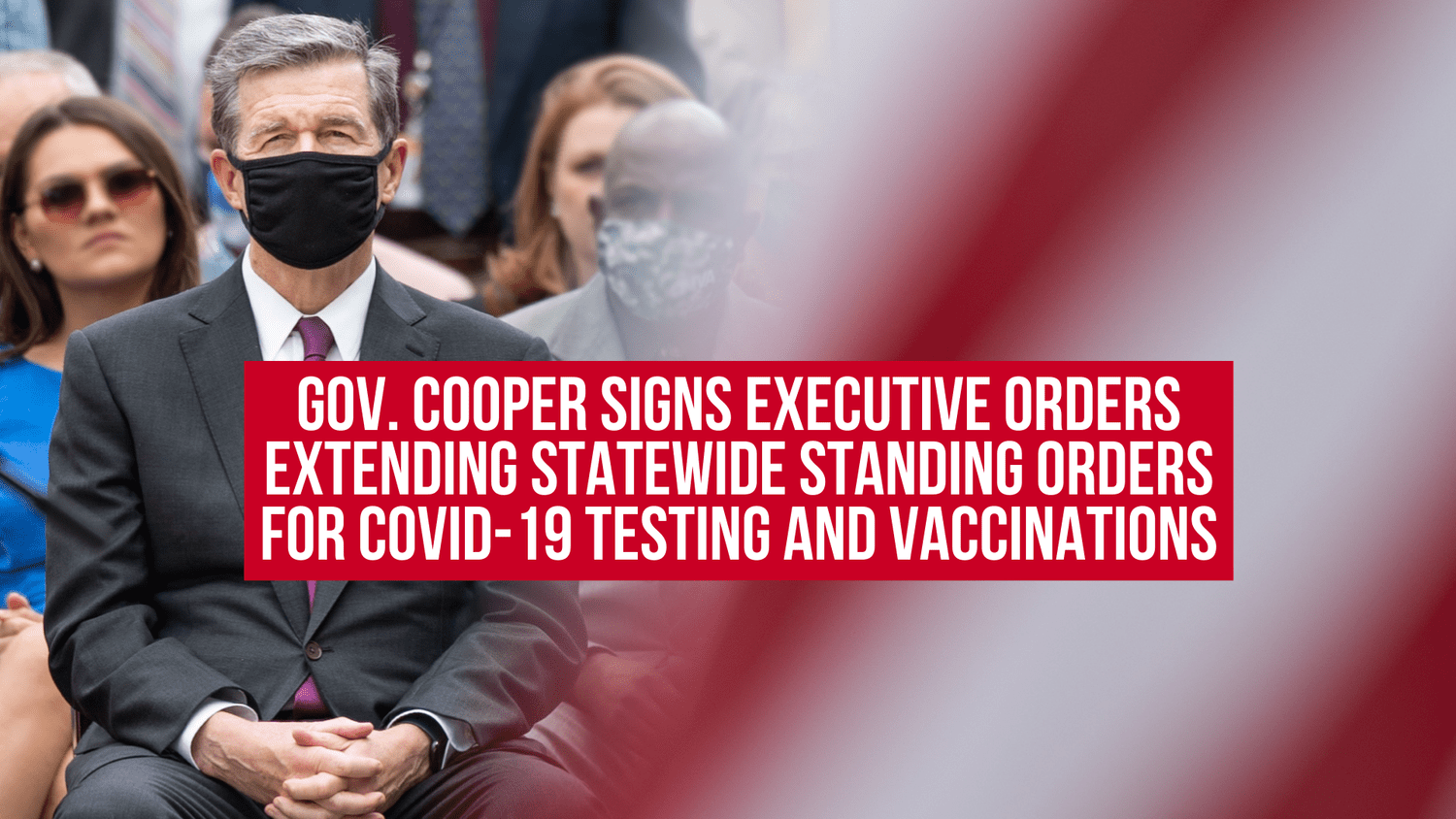
Governor Roy Cooper signed Executive Order 229. The Executive Order extends several provisions outlined in Executive Order 224 that direct the State Health Director to issue statewide standing orders for testing and vaccination. Additionally, this Order directs cabinet agencies to implement the COVID-19 vaccination and testing policy developed by the North Carolina Office of Human Resources (OSHR).
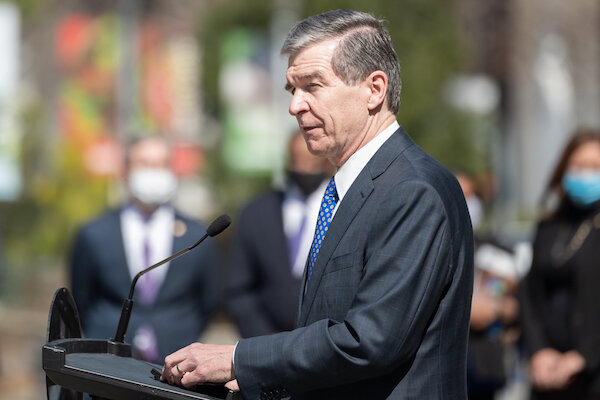
Gov. Roy Cooper has vetoed a high-profile bill that would have ended North Carolina's pistol permit requirement. The governor also nixed a hotel safety bill.
"This legislation is not the right way to ensure safety in hotels. It removes legal protections and allows unnecessary harm to vulnerable people, including families with children, who have turned to hotels and motels for housing in a time of need."