Ushered in, not by law, but by lawsuit settlement, North Carolina’s COVID-related changes to voting rules in 2020 are viewed as either a fix or a failure. Republican state senators are of the latter opinion, as evidenced by their inclusion of language prohibiting such “collusive settlements” by the attorney general in Senate Bill 105, slated for a final vote on the Senate floor Friday morning.
North Carolina elected officials have a long history of protecting Second Amendment rights. As our legislators on the state and federal level work to reaffirm our Constitutional right to self-defense, it is also critical that key elected officials in positions of power, like Senators Richard Burr and Thom Tillis, work to close current loopholes in our background check laws that make it easier for bad actors to gain access to weapons.
It would be hard for North Carolina to end up closer to the average in a new ranking of the most patriotic states. WalletHub.com ranks the Tar Heel State No. 25. The new rankings arrive a couple of weeks before Independence Day.
Lt. Gov. Mark Robinson and the Senate’s top officer are calling out Charlotte-Mecklenburg school leaders, after the state’s second-largest school system paid $25,000 to a top proponent of Critical Race Theory.
State Treasurer Dale R. Folwell, CPA, called on Gov. Roy Cooper to allow Executive Order 206 to expire on June 30. The order was originally issued in October 2020 and most recently extended in March of this year. It is based on a Centers for Disease Control and Prevention national moratorium issued last fall. Treasurer Folwell supported the original order but did not support the three extensions and asks that the executive order be allowed to expire at the end of the month.
Although the politicians in Washington almost never talk about the issue anymore, our entitlement programs are on a collision course with fiscal reality.
To help Medicaid beneficiaries get the accurate information they need to make an informed decision about getting the COVID-19 vaccine, the North Carolina Department of Health and Human Services will reimburse Medicaid providers for providing counseling on the benefits of COVID-19 vaccination.
Twenty-five years ago this week the Tar Heel State legalized the creation of public charter schools. School choice advocates came together in Raleigh on Tuesday, June 22, to celebrate the milestone and highlight the impact of charter schools on families and students during the last quarter-century.
N.C. Gov. Roy Cooper was in Charlotte Monday to welcome the Centene Corporation, a provider of managed care services for Medicaid, public, and private health plans. It claims to be the largest provider of Medicaid services in the nation. The company announced last year that it selected Charlotte for its East Coast regional headquarters after North Carolina offered $338 million in tax incentives through a “transformative” Job Development and Investment Grant.
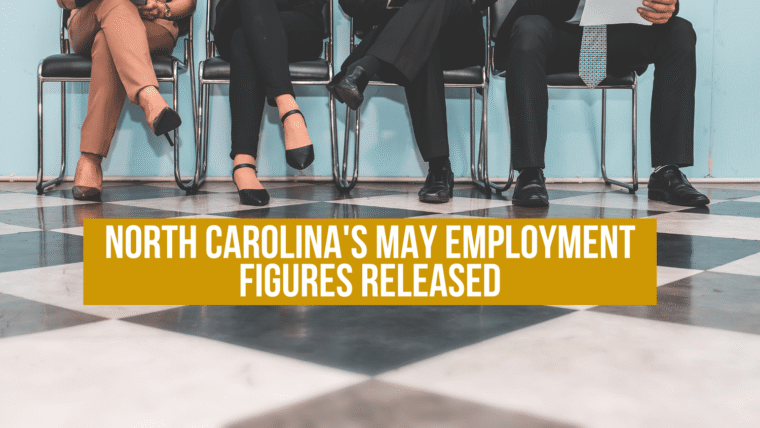
The state’s seasonally adjusted May unemployment rate was 4.8 percent, decreasing 0.2 of a percentage point from April’s revised rate. The national rate decreased 0.3 of a percentage point to 5.8 percent.