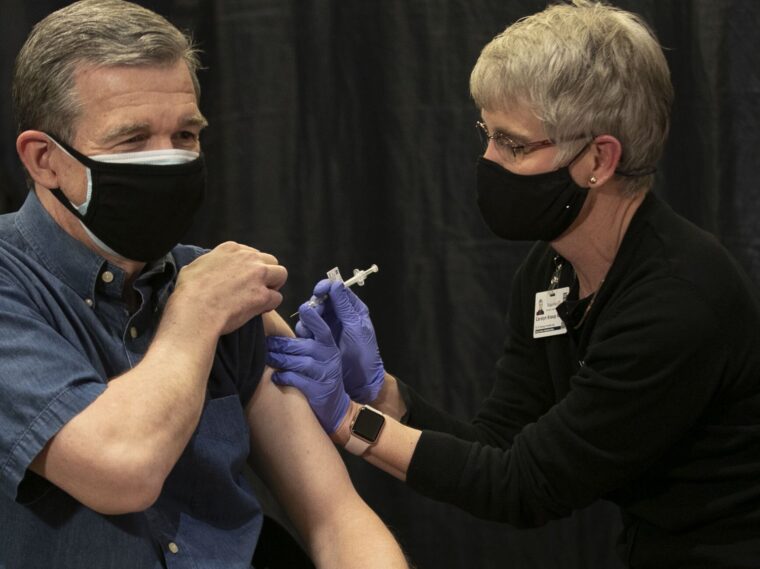
Governor Cooper receives a COVID-19 vaccine
Today, Governor Roy Cooper received his first dose of a COVID-19 vaccine at WakeMed Raleigh Campus.

Today, Governor Roy Cooper received his first dose of a COVID-19 vaccine at WakeMed Raleigh Campus.
The N.C. General Assembly on Monday, March 1, tried but failed — by one vote, 29-20 — to override the governor’s veto of a bill to reopen schools, even as students — parents, too — suffer, and opinion polls show residents want children back in the classroom.
In my role as president of the John William Pope Foundation, I’ve learned that while it’s easy to give money, it’s difficult to give money away well. There’s no shortage of promising ideas turned into well-meaning enterprises by well-meaning people. Alas, many have disappointing results.
Attorney General Josh Stein filed a friend-of-the-court brief urging the U.S. Supreme Court to preserve schools’ ability to address cyberbullying and other forms of off-campus bullying that substantially affect students’ education.
Called the “Students, Parents, Community Rights Act,” these bills would allow 50% capacity at outdoor sporting events. Until this week, these events were capped at 100 attendees per Cooper’s executive orders. His most recent order raised that to 30% capacity.
Governor Roy Cooper today issued an Executive Order that the Department of Commerce will increase efforts to help North Carolinians who file for unemployment benefits return to work.
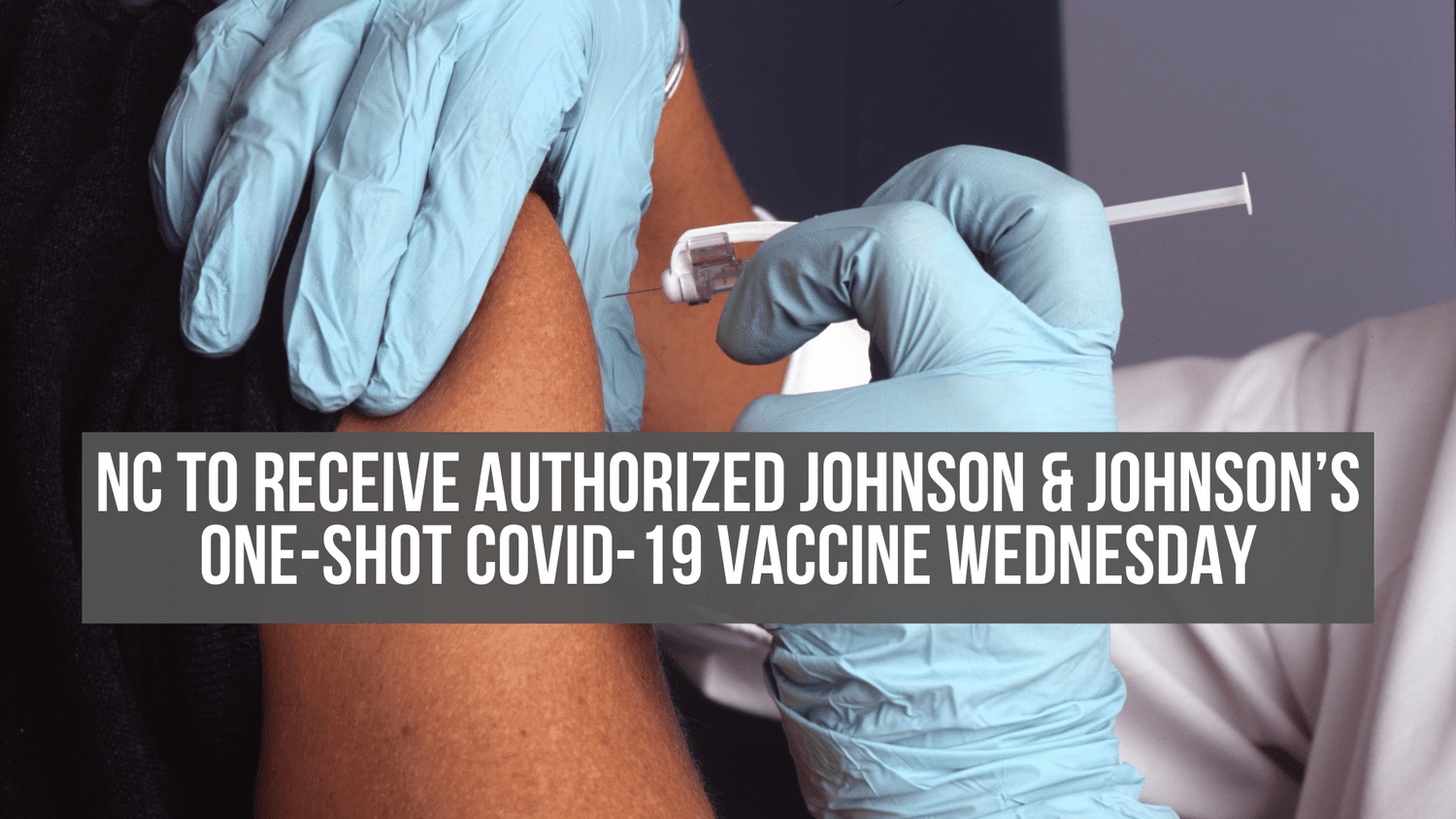
North Carolina has another tested, safe and effective COVID-19 vaccine to protect against virus-related hospitalization and death. The federal government authorized the distribution of Johnson & Johnson’s (Janssen) one-shot vaccine and more than 80,000 doses are expected to arrive in the state this week, beginning on Wednesday.
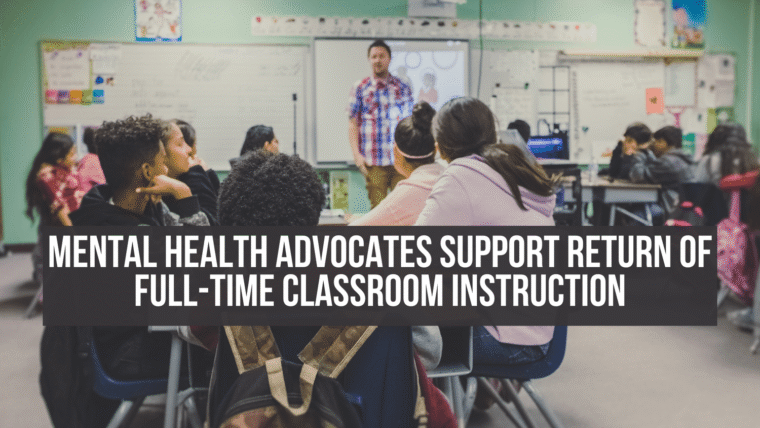
Mental health experts who are also parents with students in Wake County Public Schools are sounding an alarm over a rising mental health crisis due to a lack of full-time classroom instruction.
North Carolina’s Debt Affordability Advisory Committee says the state should set aside $100 million a year to help the state pension systems remain solvent.
Through its own regulations, North Carolina restricts the availability of medical services and, as a result, inflates the cost of those services. Rather than looking for ways to redistribute that inflated cost to taxpayers, state policymakers should try deflating it.
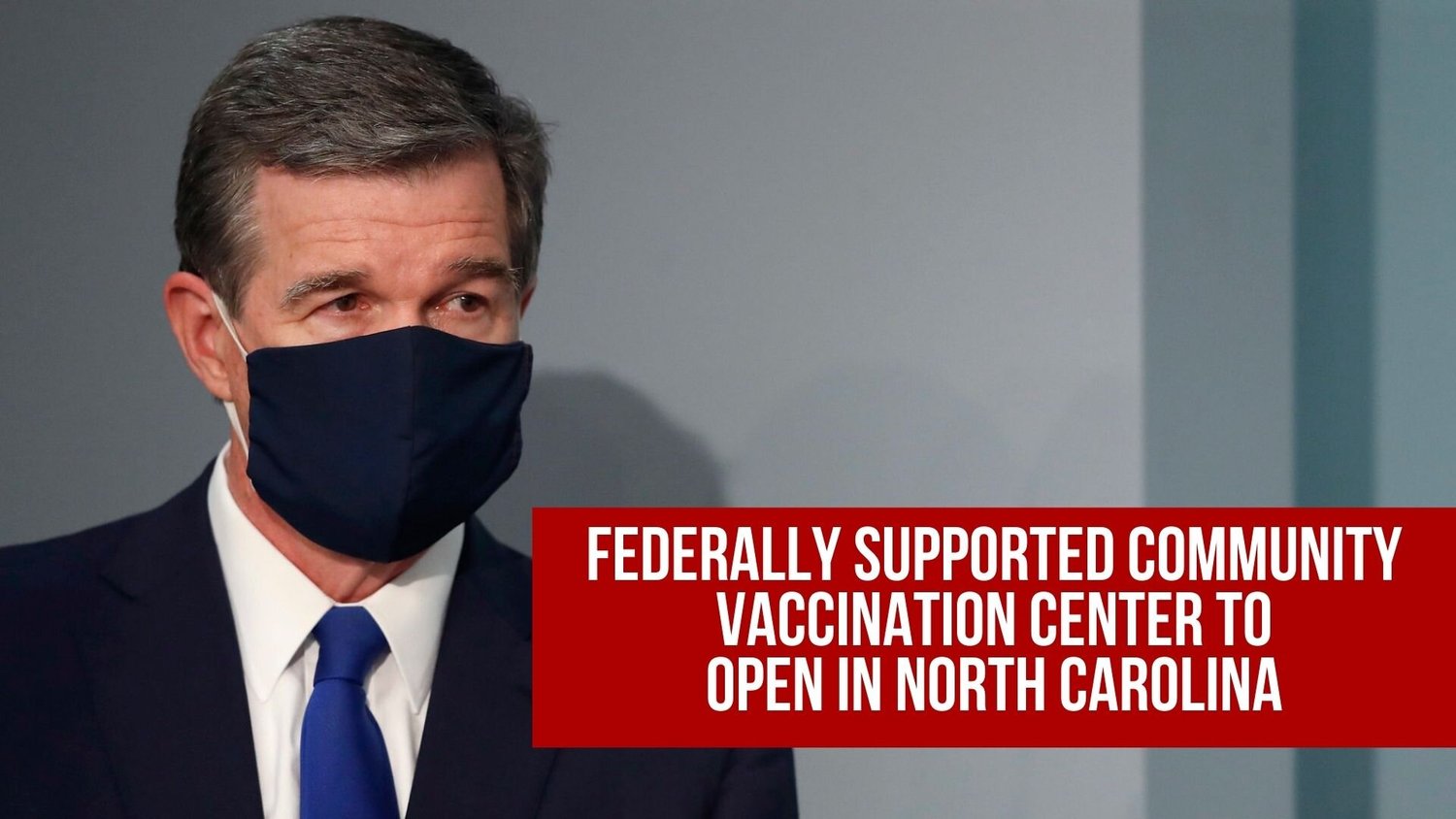
RALEIGH: Governor Roy Cooper today announced the establishment of a COVID-19 vaccination center in North Carolina, in partnership with the federal government.
Oversight and transparency are issues The Wall Street Journal call DBI (Dull But Important). They aren’t as compelling as power grid seizures in Texas or censures of retiring lawmakers, but they’re essential to effective and accountable governance. Sadly, they’re ignored far too often.