Attorney General Josh Stein and Associate Justice Anita Earls, co-chairs of the North Carolina Task Force for Racial Equity in Criminal Justice, delivered the Task Force’s recommendations report to Gov. Roy Cooper earlier this week. In its report, the Task Force recommends solutions to stop discriminatory and biased practices, achieve racially fair outcomes, and increase accountability in the law enforcement and criminal justice systems.
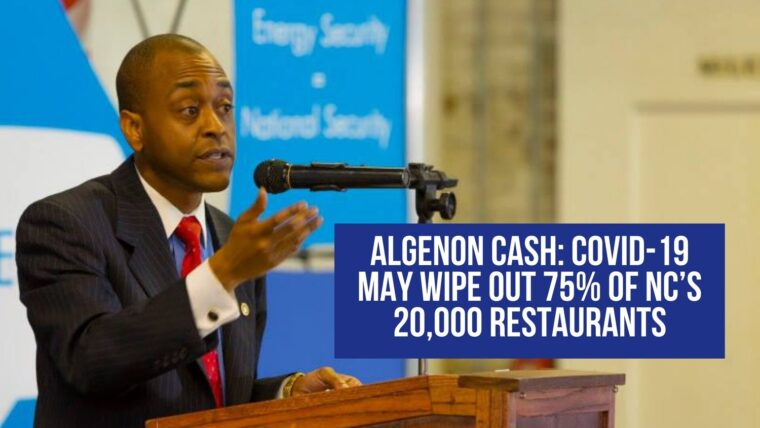
Small independently owned restaurants are facing an extinction-level event as we move deeper into colder months and the coronavirus spread reaches all-time highs. Without immediate financial aid, over 75% of the state’s 19,504 eating and drinking locations are in danger of closing permanently.Since the COVID-19 pandemic began in March, 17% of restaurants throughout the country (or about 110,000 establishments) have closed either permanently or long-term and 10,000 restaurants have closed over the last three months alone. As for the 10,000 restaurants that have closed over the past three months, the majority had been well-established in the industry for years, and on average, had been in business for 16 years.
On Friday, Governor Roy Cooper, Secretary Mandy K. Cohen and Secretary Erik Hooks wrote a letter to local elected officials imploring them to help slow the spread of COVID-19 in their communities by considering additional enforcement measures.
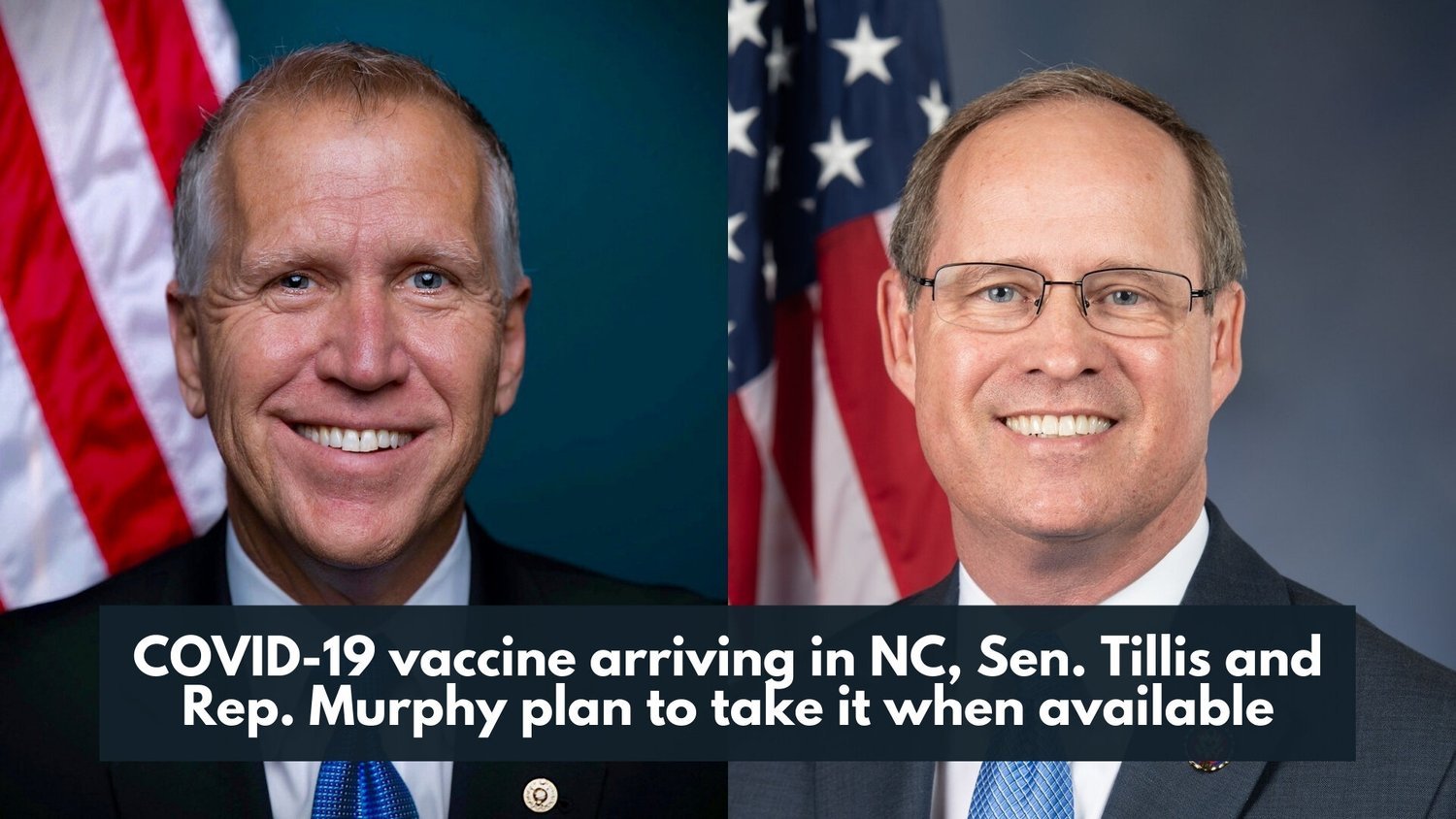
The U.S. Food and Drug Administration issued the first emergency use authorization for a vaccine for the prevention of coronavirus disease 2019 (COVID-19) caused by severe acute respiratory syndrome coronavirus 2 (SARS-CoV-2) in individuals 16 years of age and older.“Many believed it would take at least a year to develop a COVID-19 vaccine, but American innovation has exceeded expectations yet again,” said Congressman Greg Murphy, the only practicing physician in Congress. “I will be getting vaccinated next year once it is widely available to the American public and after those who are on the frontlines or are most vulnerable have already received it,” said U.S. Senator Thom Tillis.
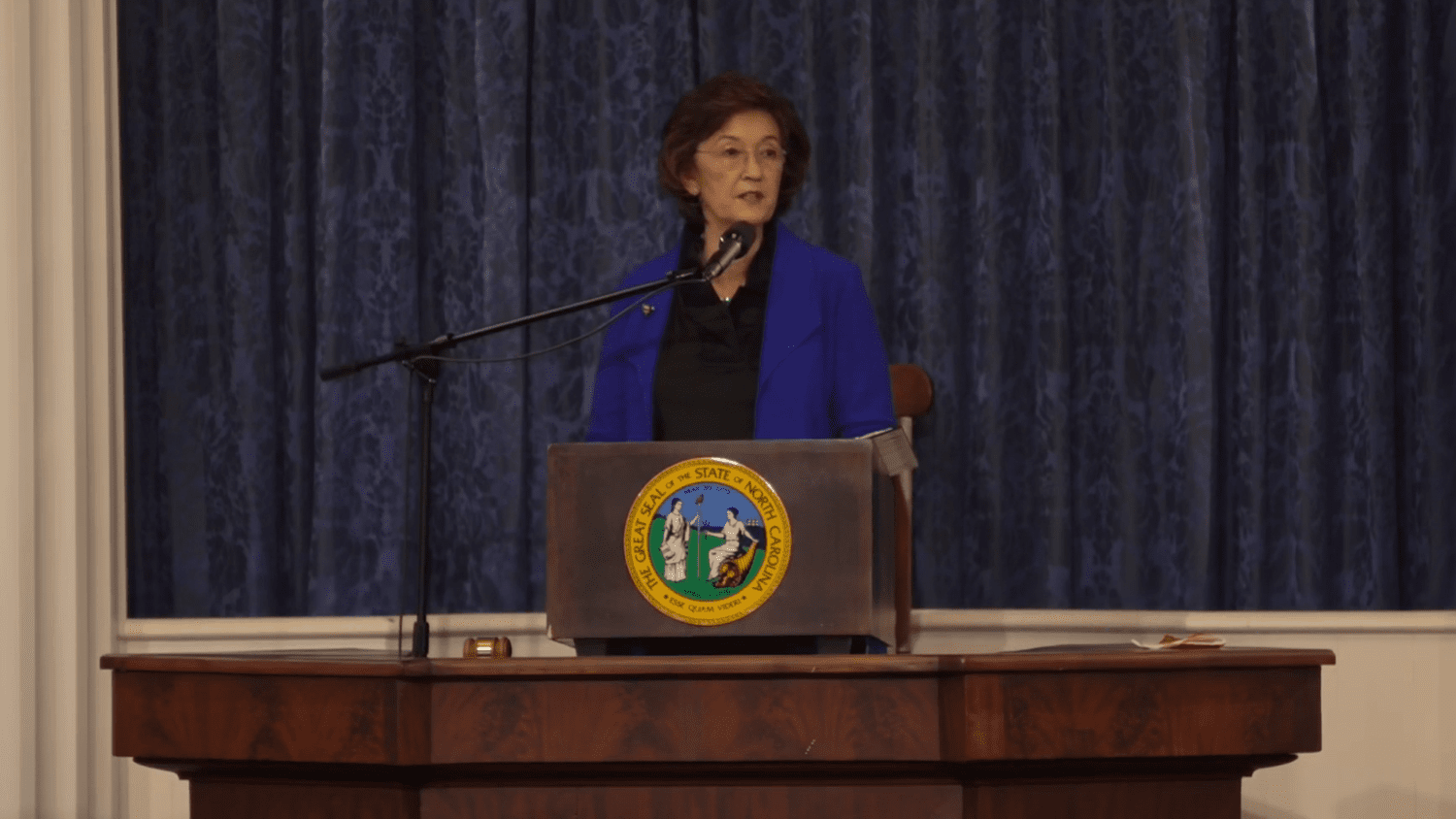
Watch the live feed of today’s historic Electoral College vote for the State of North Carolina. NC Secretary of State Elaine F. Marshall has convened the 58th meeting of the North Carolina Electoral College in the Capitol Building’s Old Hall of the House of Representatives at noon. The electors will cast their ballots for the offices of President and Vice President of the United States.
A native of Durham, Thomas A. Stith III was named by the State Board of Community Colleges as a new system president. The State Board of Community Colleges voted in a 10:00 am board meeting. Thomas served as Chief of Staff to Governor Pat McCrory from 2013 to 2017 and was a councilman for the City of Durham from 1999 to 2007.
As of November, North Carolina’s state government has some $4 billion in unreserved cash in its General Fund, plus well north of $1 billion in its rainy-day account and other reserves.
The U.S. Supreme Court gave states the power to regulate the companies that negotiate between insurers and pharmacies, otherwise known as pharmacy benefit managers — the jargon for middlemen. The court unanimously ruled in favor of Arkansas’ regulatory reforms Thursday, Dec. 10.
Smoky Mountain rain may soon fall on a western North Carolina highway with a new name. The N.C. Department of Transportation board recently adopted a resolution to dedicate a section of U.S. 129 in Graham County in honor of six-time Grammy winner and Country Music Hall of Fame member Ronnie Milsap.
Chief Justice Cheri Beasley announced today that North Carolina Courts will postpone non-essential, in-person court proceedings for 30 days, beginning Monday, December 14.
Duke Energy issued the following statement in response to last week’s ruling by the North Carolina Supreme Court in a case regarding a 2018 North Carolina Utilities Commission order that had addressed costs associated with coal ash management and safe basin closure: