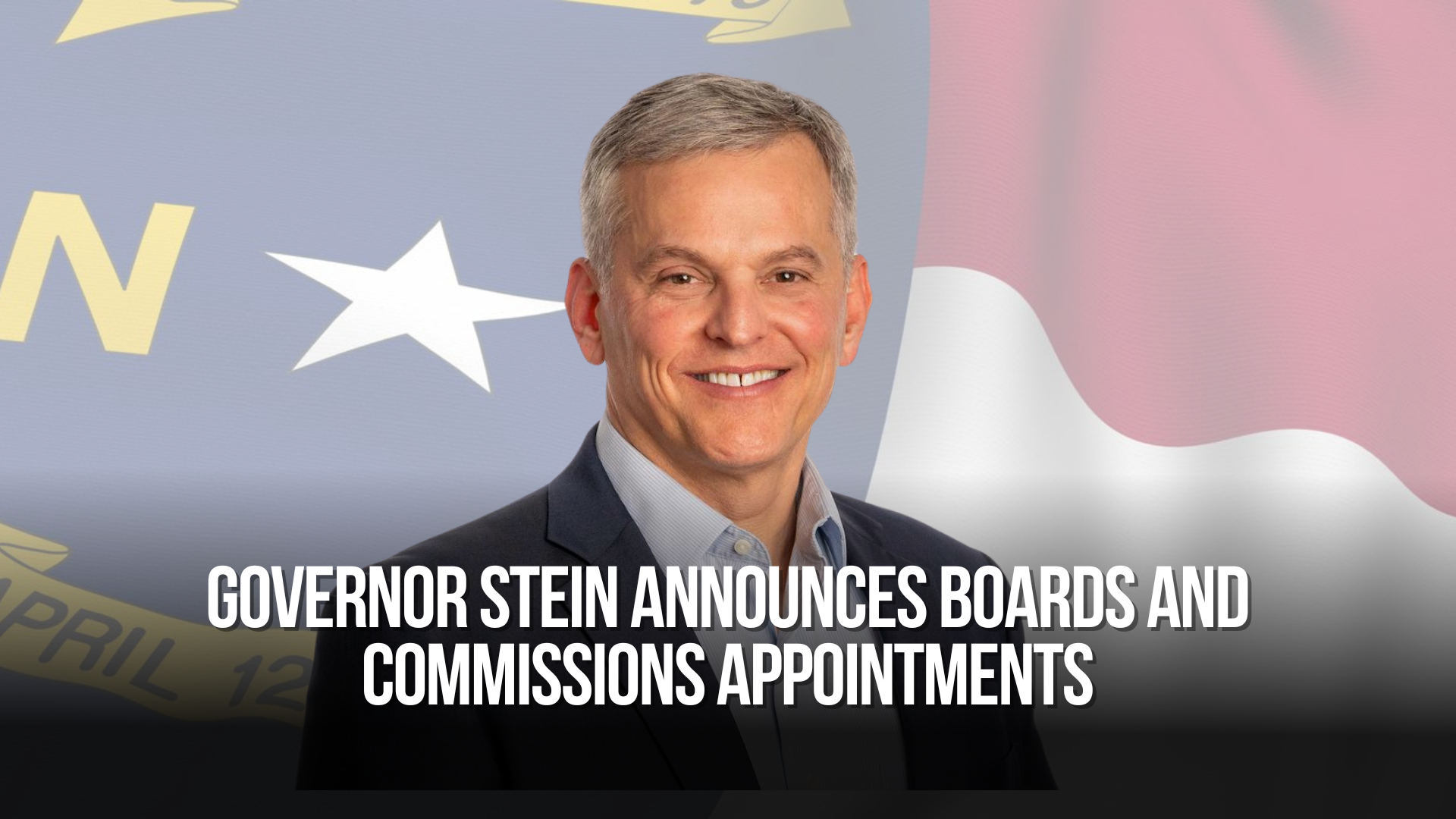
Governor Josh Stein delivered his first State of the State Address, highlighting the ongoing work to recover in western North Carolina and urging the General Assembly to invest in economic opportunity, workforce development, families and children, public schools, and public safety.
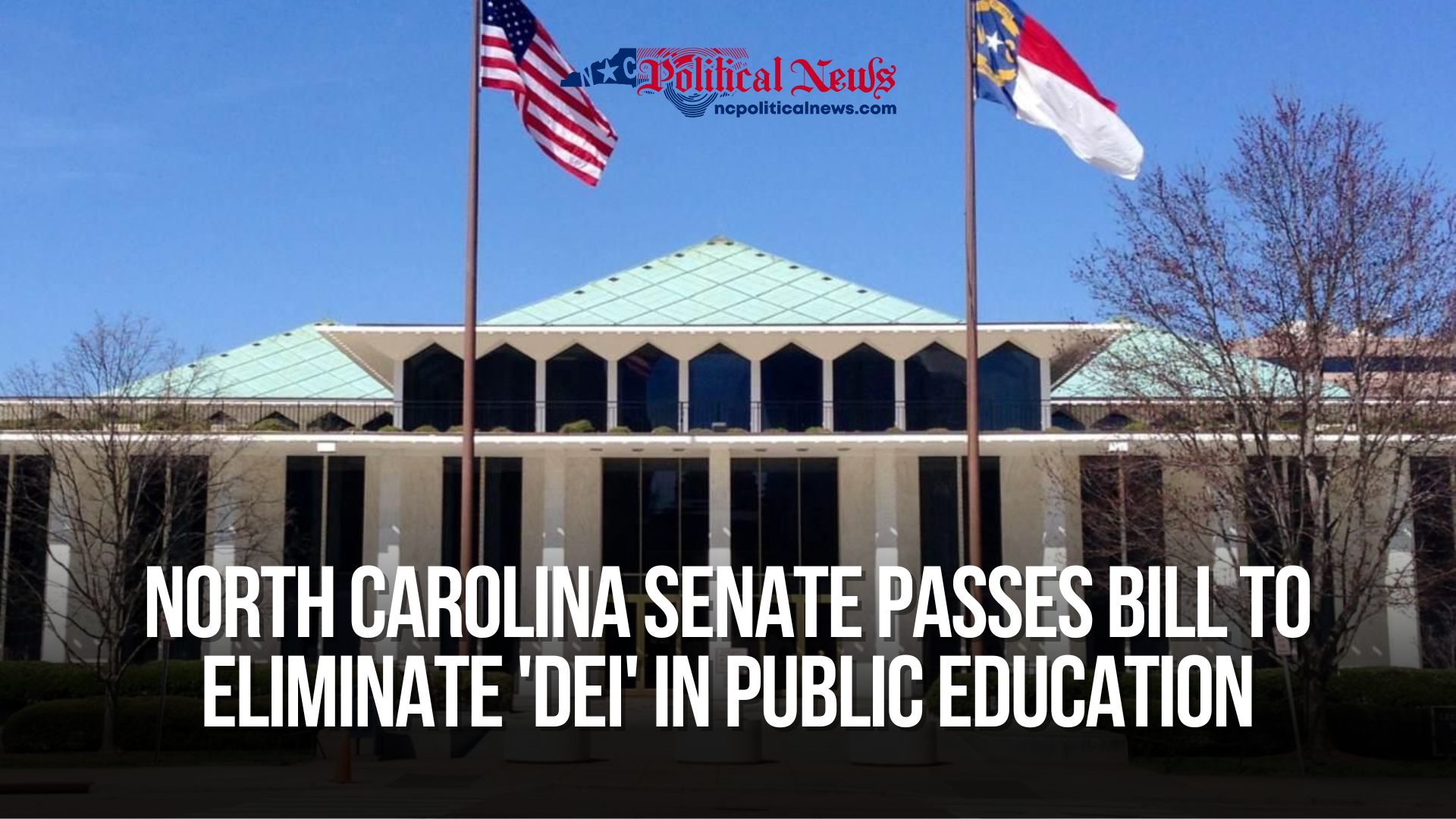
The North Carolina Senate passed Senate Bill 227, “Eliminating ‘DEI’ in Public Education,” to prohibit promoting discriminatory policies and practices in public schools.
Four Republicans members of the North Carolina House of Representatives — Erin Paré and Mike Schietzelt of Wake County, Donny Lambeth of Forsyth County, and Tricia Cotham of Mecklenburg County — have just launched this year’s policy debate on teacher pay in our state.
Over the past year, hospitals, pharmacies, and patients have been the victims of devastating cyberattacks that have crippled the healthcare system. The wave of healthcare cyberattacks recently led NPR to refer to 2024 as the “year of health care hacks.”
Senate Leader Phil Berger (R-Rockingham) filed a bill to prioritize energy cost-saving measures and create a new cost-recovery framework to help keep energy more affordable for families and businesses
Lieutenant Governor Rachel Hunt was appointed Co-Chair of Governor Stein’s new Task Force on Child Care and Early Education. The task force was announced during a visit to Kate’s Korner Learning Center in Durham, where the Governor and Lieutenant Governor toured the center, met with providers, and sent time with children in a classroom
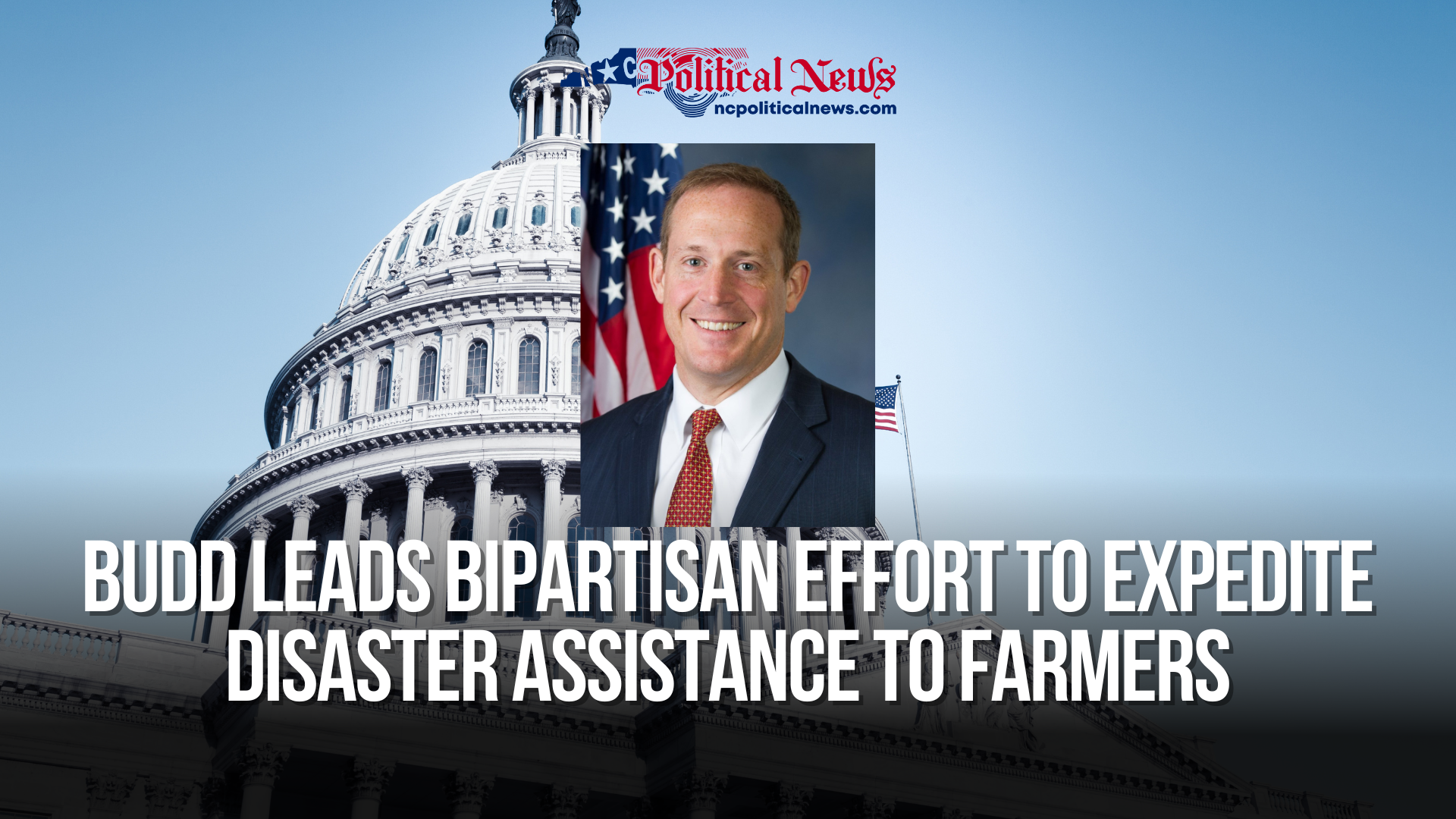
Senator Ted Budd (R-NC), along with Senator Reverend Raphael Warnock (D-GA) and Representatives Chuck Edwards (R-NC) and Don Davis (D-NC), led a letter to U.S. Secretary of Agriculture Brooke Rollins, urging the department to quickly publish clear guidelines on administering disaster relief aid for farmers.
While running a small business and serving on the Fayetteville City Council, I learned that sound financial management means addressing problems at their source rather than treating symptoms. Whether balancing a city budget or keeping a business profitable, the principle remains: strategic investments today can prevent higher costs tomorrow.
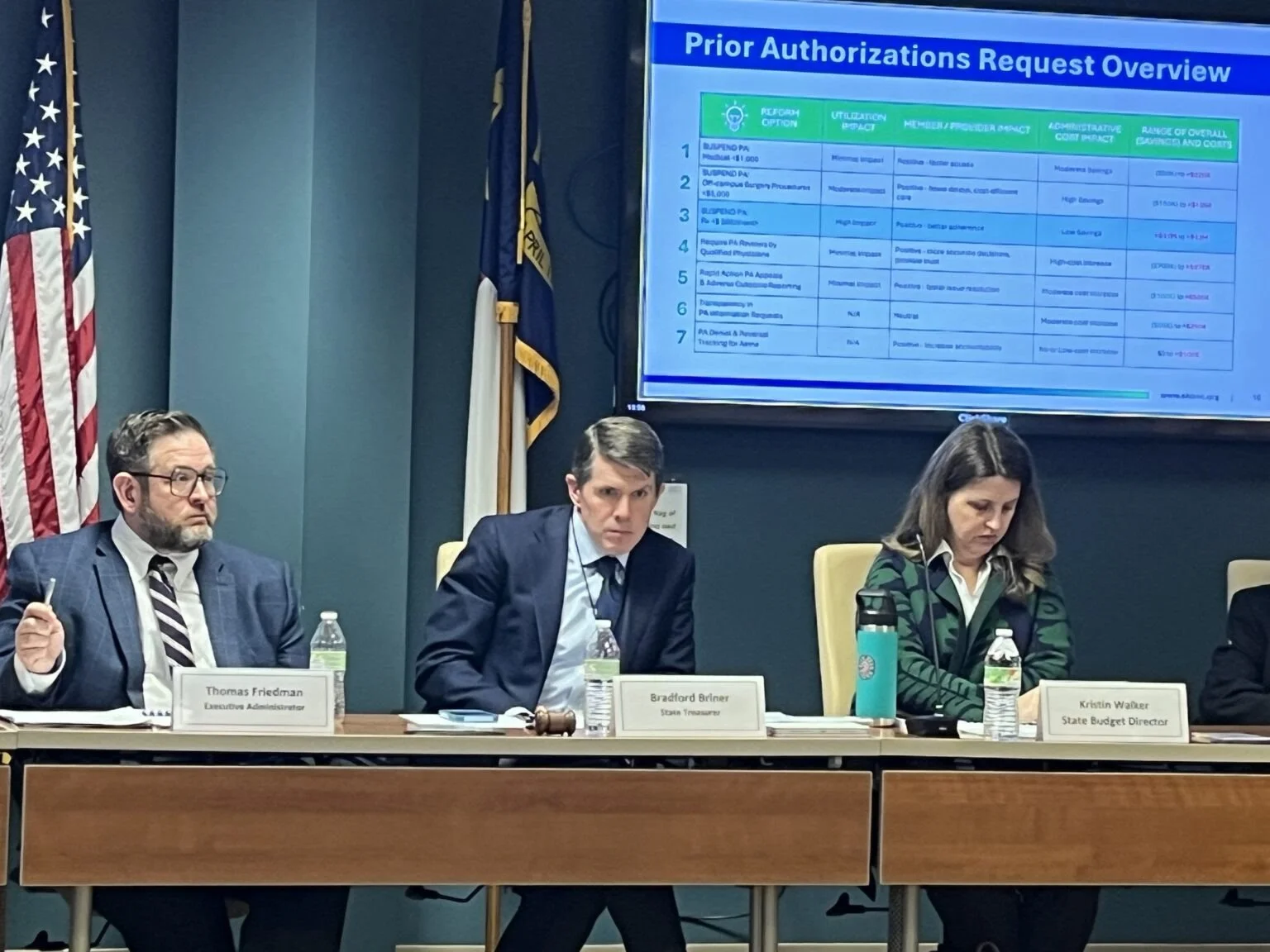
State employees are criticizing plans to make their health insurance more expensive, saying options officials are considering will hurt hiring and recruitment efforts and tarnish a benefit of working for the state.
The United States faces a mounting fiscal crisis. Our national debt having surpassed $36 trillion poses a significant threat to our economic stability and national security. Interest payments on our debt have reached historic highs, overtaking defense spending as the second-largest budget item. Alarmingly, interest costs are the fastest-growing expenditure in the federal budget, limiting our ability to invest in critical public services and respond to unforeseen emergencies.