
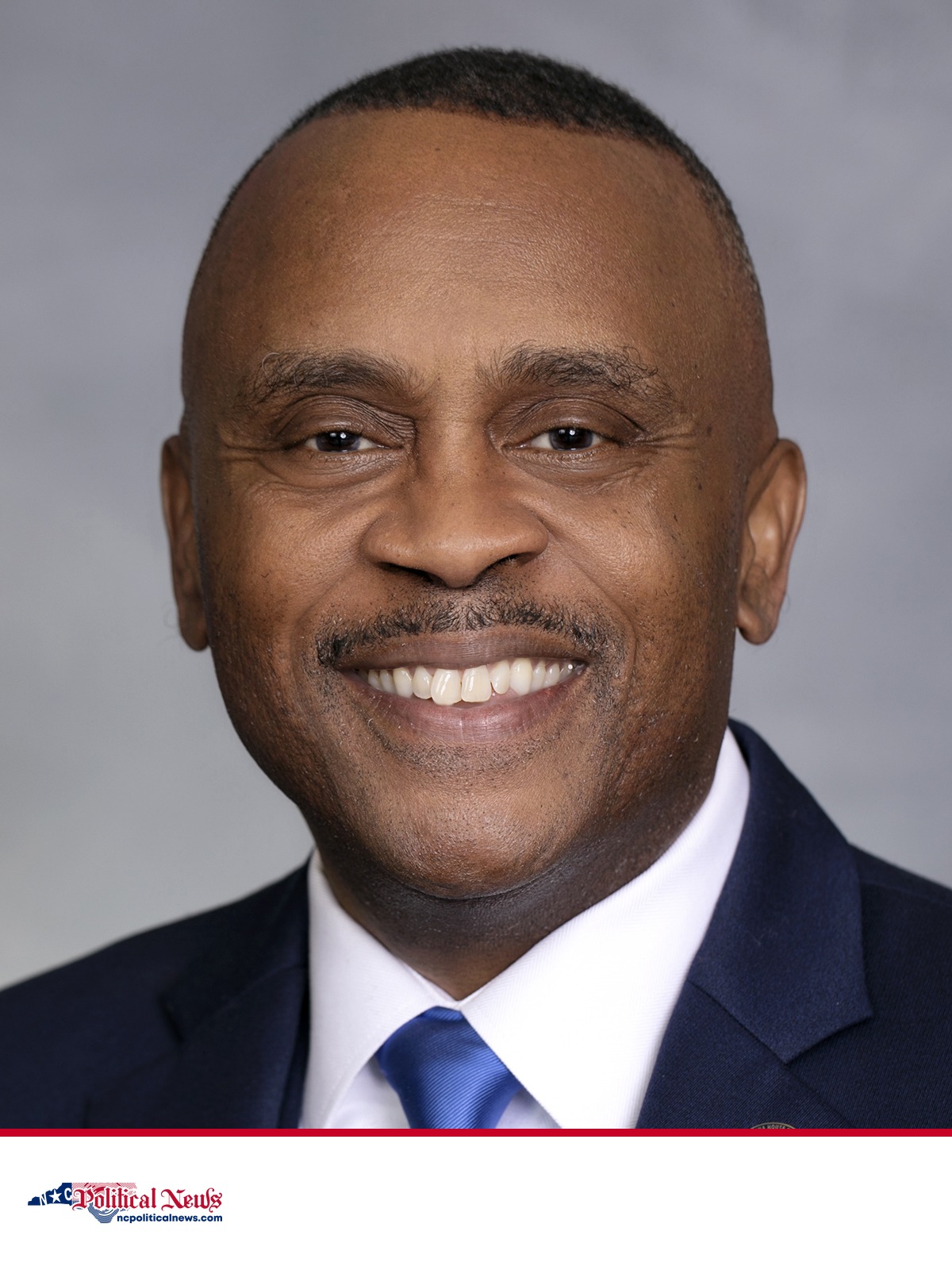
RALEIGH – North Carolina House Democratic Leader Robert Reives said Friday that he has secured commitments from a majority of the members projected to serve in the incoming state House to support him for speaker.
The announcement is an important step toward the chamber’s top leadership position, but it is not the formal election of a speaker. Reives’ office said the House Democratic Caucus will meet Nov. 16 to select its nominee for speaker and other leadership posts. The full 120-member House is scheduled to elect the speaker on Jan. 13, 2027, when the new General Assembly convenes.
Reives said in the statement that he was humbled by the support and that the incoming majority plans to focus on affordability. His office did not identify the members who made commitments or publish a vote count.
Carolina Journal independently reported that preliminary election results project Democrats to hold 71 House seats, Republicans 48 and an unaffiliated member one. Several legislative contests remain within the range for possible recounts, and election results are still unofficial until the canvass and certification process is complete.
The projected Democratic margin is large enough that the close contests identified so far would not by themselves reverse control of the chamber, Carolina Journal reported. Republicans continue to control the House through the end of the current term, including any post-election sessions held before January.
The North Carolina General Assembly’s official biography lists Reives as the current House Democratic leader and the representative for District 54, which includes Chatham County and part of Randolph County. He has served 6.5 terms in the House and works as an attorney.
If the commitments hold through the caucus and House votes, Reives would move from leading the minority caucus to presiding over a chamber with a newly elected Democratic majority. The speaker has broad influence over committee assignments, bill referrals and the House agenda, making the selection one of the most consequential leadership decisions of the coming legislative session.
Sources
- Office of House Democratic Leader Robert Reives: majority-support announcement and vote dates
- Carolina Journal: independent reporting and preliminary chamber context
- North Carolina General Assembly: Robert Reives biography, office and district
Photo Credit: Official 2023 portrait of Robert T. Reives II by the State of North Carolina, via Wikimedia Commons; public domain. Cropped and resized. The NCPN logo is a separate brand mark.
Editor’s Note: This article was drafted with the assistance of artificial intelligence and was reviewed and fact-checked by a member of the NC Political News editorial team before publication.