Raleigh, NC – The North Carolina House of Representatives has given bipartisan approval to House Bill 263, the "2024 Appropriations Act." The House budget includes investments in teacher and state employee raises, childcare funding, and it fully funds Opportunity Scholarships.
““This week House Republican Leadership has rushed through a budget process that we have known from the start was dead-on-arrival in the Senate. Still, they have demonstrated what their main priority is: A massive expansion of taxpayer-funded vouchers for the rich,"
RALEIGH: Governor Roy Cooper released his recommended budget for FY 2024-2025, Securing North Carolina’s Future. The Governor’s plan would raise teacher pay by 8.5% and invest over $1 billion in public schools across North Carolina instead of more taxpayer-funded private school vouchers.
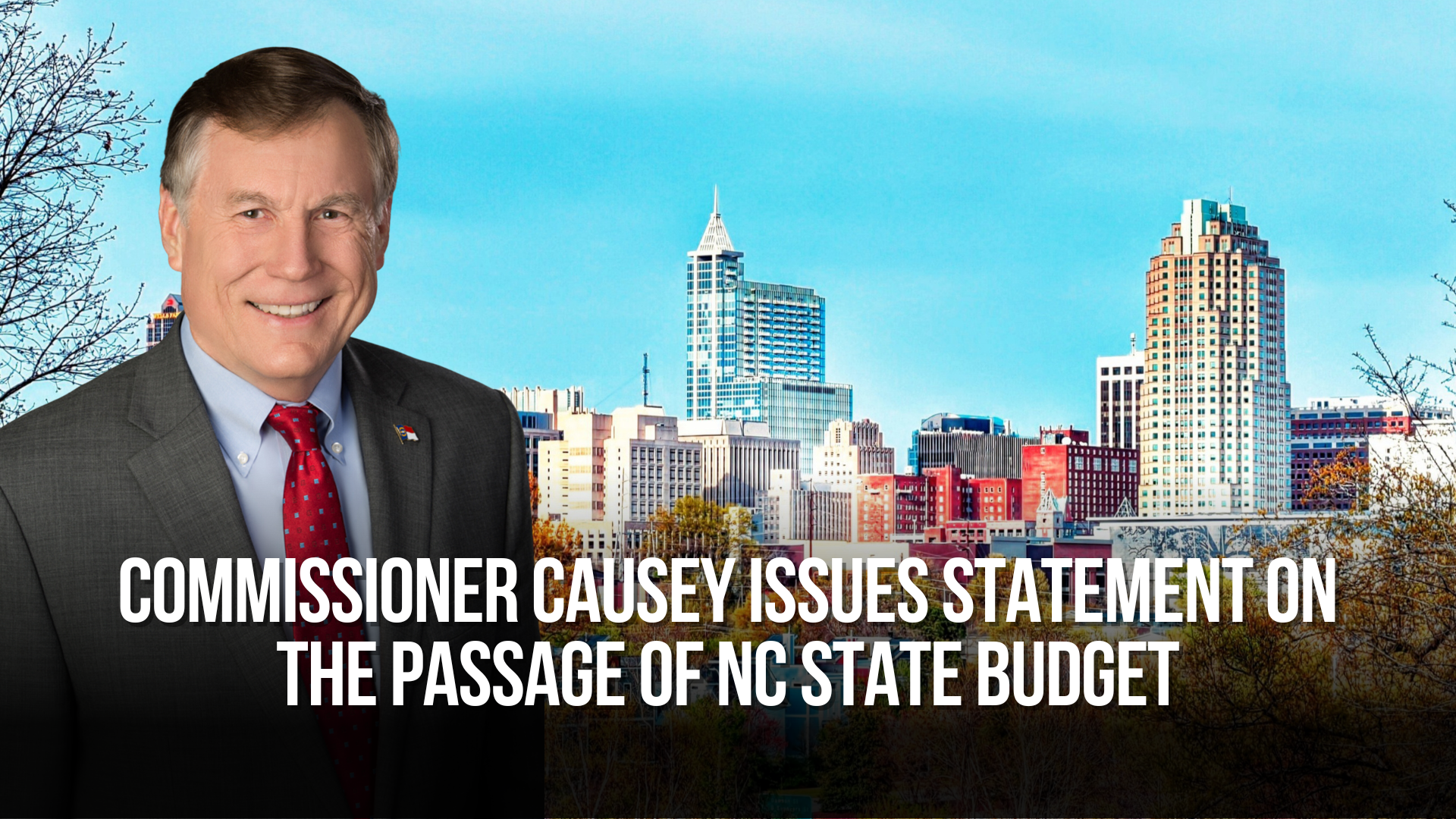
North Carolina Insurance Commissioner Mike Causey issued the following statement responding to the passing of the state budget by the General Assembly:
Legislative leaders released the finalized “2023 Appropriations Act,” continuing a decade of success in North Carolina through thoughtful spending and keeping government growth in check.
Attorney General Josh Stein today called on the North Carolina General Assembly to include more resources to support local law enforcement recruitment and retention in its final budget.
RALEIGH — House Speaker Tim Moore told reporters last week that the North Carolina General Assembly is unlikely to craft and approve a state budget deal before Labor Day. That’s more than two months into the 2023-24 fiscal year that began July 1.
Right now, the proposed state budget includes changes that would be a huge step backward for healthcare in North Carolina. As our options for healthcare grow, patients deserve the protections currently in place to ensure that growth is fair.
Imagine yourself in the following situation: Your children lack decent clothing and shoes and depend on reduced-price school meals to meet their weekly nutrition requirements.
North Carolina agencies left untouched more than $1 billion set aside for them, partly because of the state employee staff shortage, the state budget office said Monday.