In the mosaic of domestic economic vitality, American businesses are the mortar holding our country together. Small businesses, in particular, are responsible for two-thirds of all newly created U.S. jobs, yet they are the most vulnerable to economic shifts and have faced unprecedented challenges in recent years – from lingering effects of the COVID-19 pandemic to persistent supply chain disruptions.
Sixty nine percent of businesses responding to an ongoing survey of North Carolina businesses report they either met or exceeded their revenue expectations in the month of January, according to preliminary results from the state’s Business Pulse Survey.
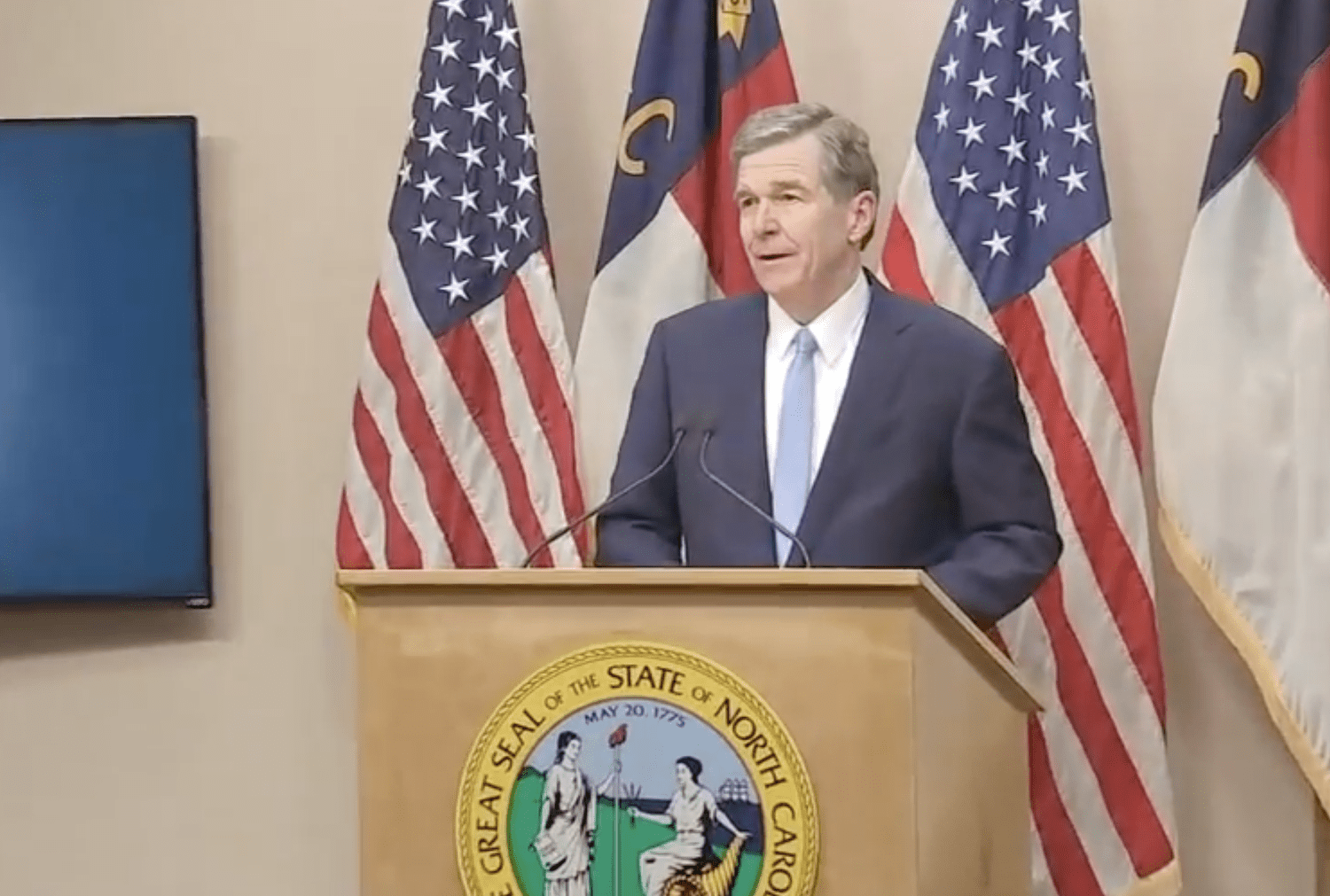
Gov. Roy Cooper says he will sign the first budget from the General Assembly since he took office in 2017. The announcement came in a news conference Tuesday, Nov. 16, and before the first vote from the Senate on Tuesday afternoon. As of Wednesday morning, the Senate has passed the budget 40-8, with 14 Democrats voting in favor of it. A final Senate vote is coming Wednesday with the House slated to vote Wednesday afternoon and Thursday.
The income of the median American household fell by nearly 3% last year as the COVID-19 pandemic and subsequent regulations shuttered many businesses for months, closed others for good, and forced still other employers to cut back on hours and wages for the people they still employed.
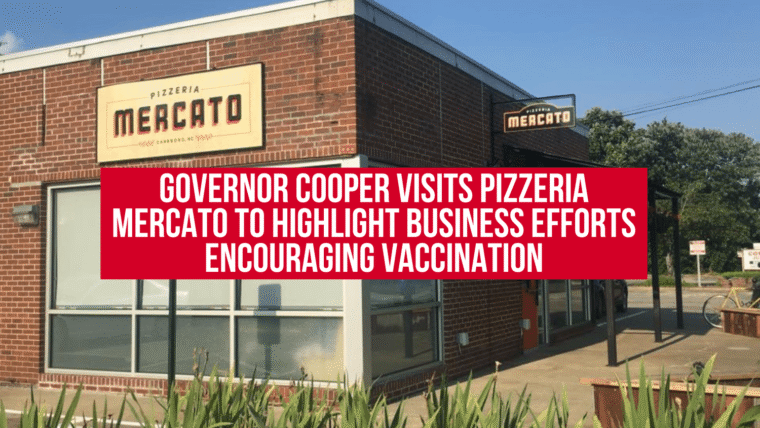
Governor Roy Cooper visited Pizzeria Mercato in Carrboro to thank the owner, Gabe Barker, and employees for their work to help protect staff, patrons and the community. The restaurant requires customers to show their vaccine card or a photo to dine indoors.
It’s around lunchtime on a Wednesday in mid-July, the bright remnants of the morning quickly morphing into the typical hot, heavy Carolina afternoon. A dozen or so people — diners and drinkers — survey downtown Chapel Hill from atop a third-floor balcony at Top of the Hill Restaurant & Brewery.
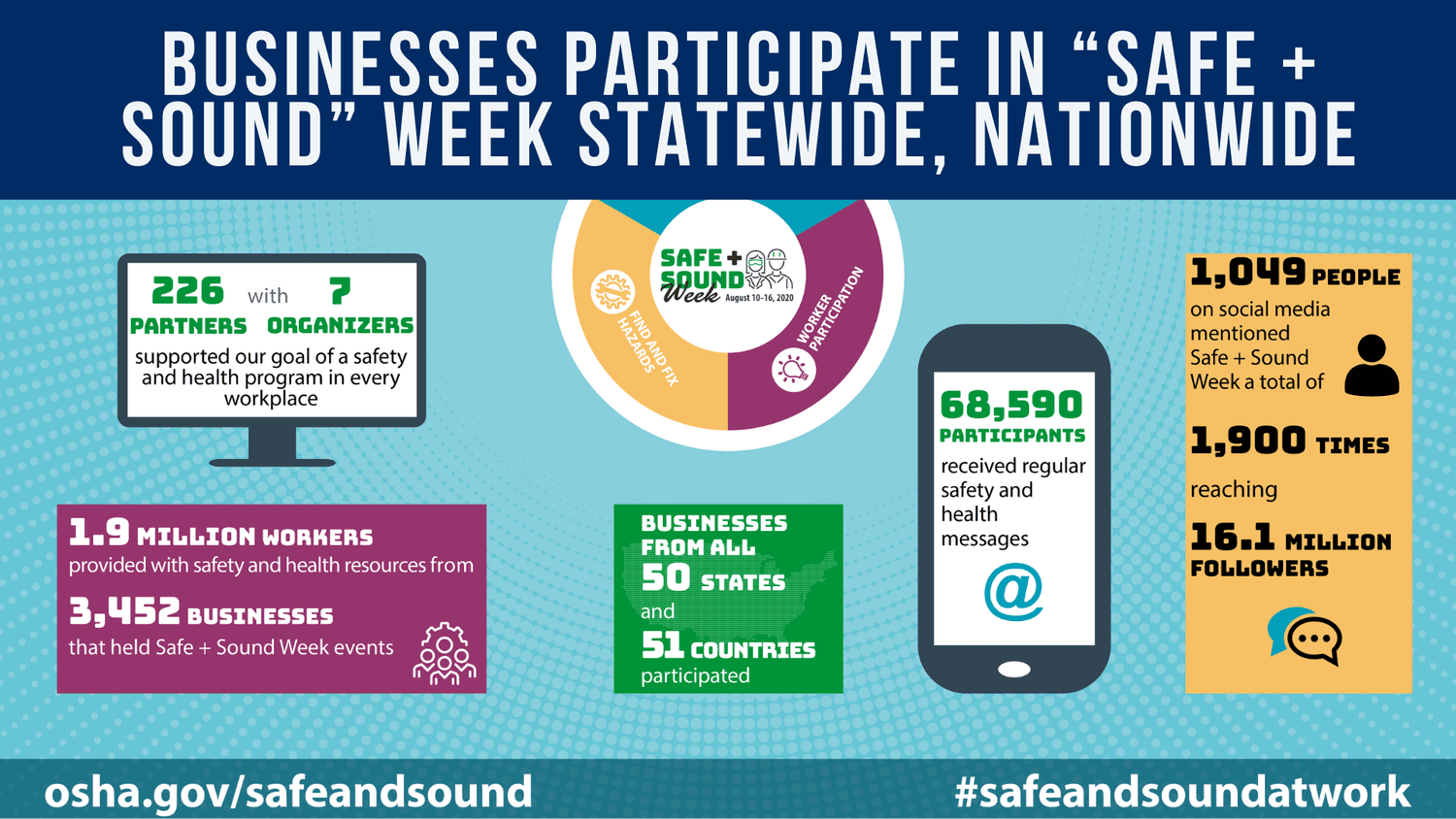
A national campaign to promote workplace safety and health has been declared in North Carolina for the week of Aug. 9–15 by Gov. Roy Cooper and in conjunction with NCDOL, the state’s lead agency for workplace safety and health. The federal “Safe + Sound” campaign, promoted each August, encourages businesses to develop a comprehensive safety and health program to ultimately eliminate hazards and prevent injuries, illnesses and fatalities in the workplace.
Lawmakers in the North Carolina House have fast-tracked a bill that would allow businesses that received Payroll Protection Program loans from the federal government to have any expenses the funds were used for deducted from state tax.
A House Judiciary committee is scheduled Tuesday, April 13, to take up a bill that would fully reopen bars and restaurants, as long as they follow specific safety guidelines.
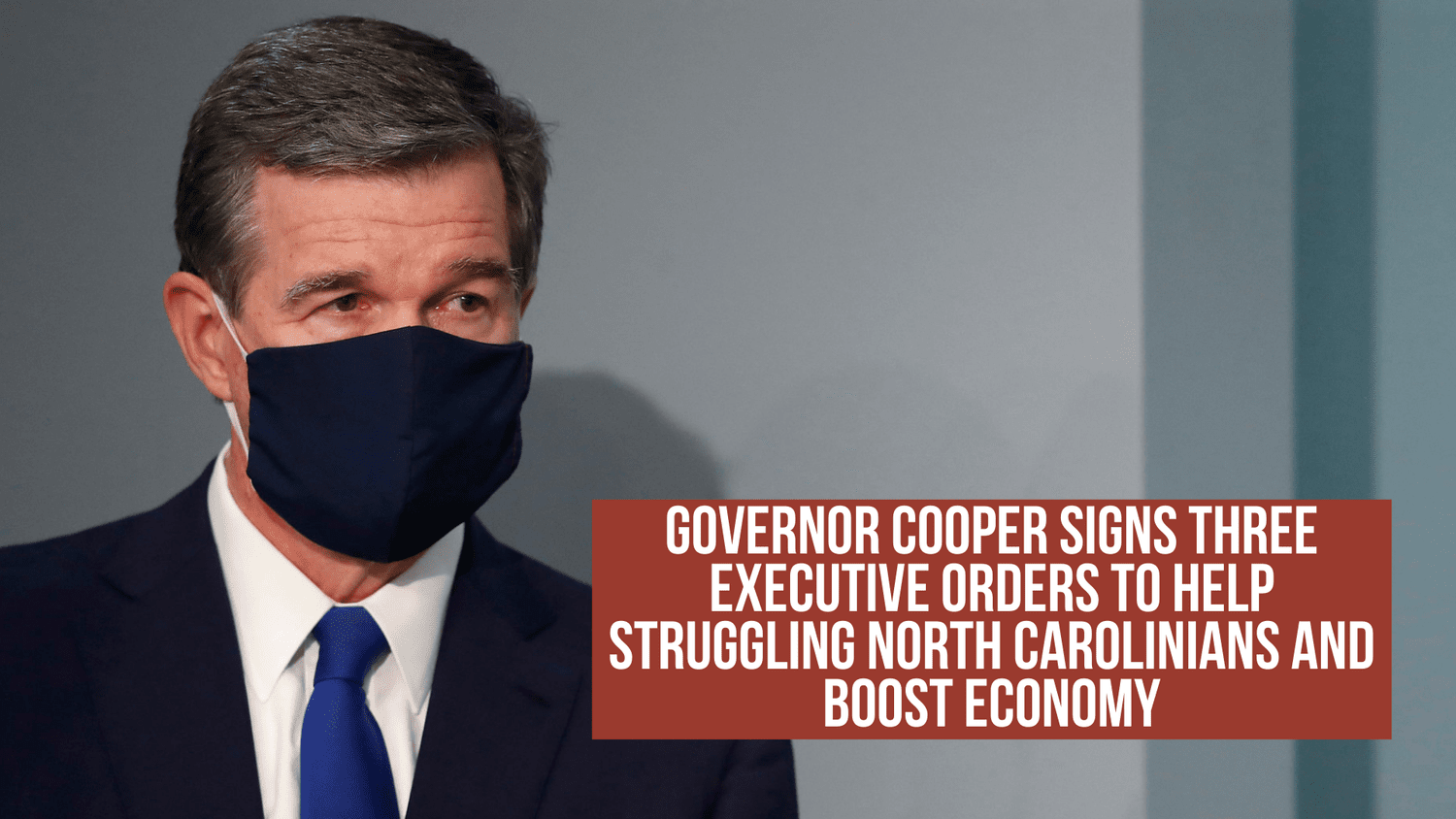
Today, Governor Roy Cooper signed three Executive Orders. Executive Order 206 extends North Carolina’s statewide residential eviction moratorium through June 30, 2021 in coordination with the Centers for Disease Control and Prevention (CDC)'s recent extension of the nationwide moratorium through the same date.