North Carolina’s Community Health Worker Initiative will expand as part of the CDC’s National Center for Chronic Disease Prevention and Health Promotion's Community Health Workers for COVID Response and Resilient Communities (CCR) initiative. The North Carolina Department of Health and Human Services was awarded a total of $9 million with $3 million per year distributed over the next three years.
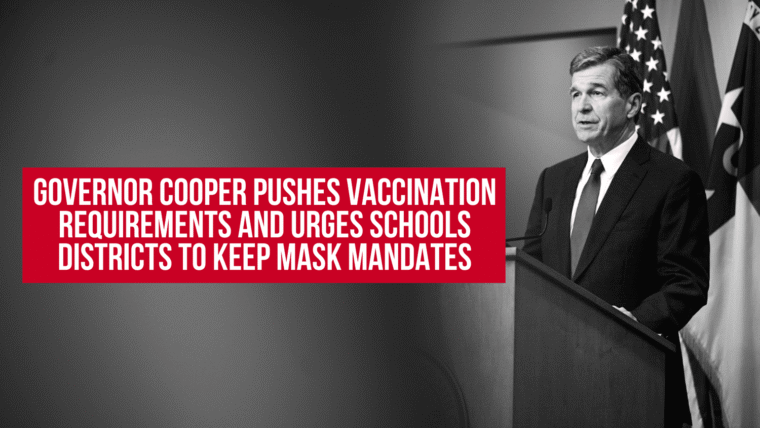
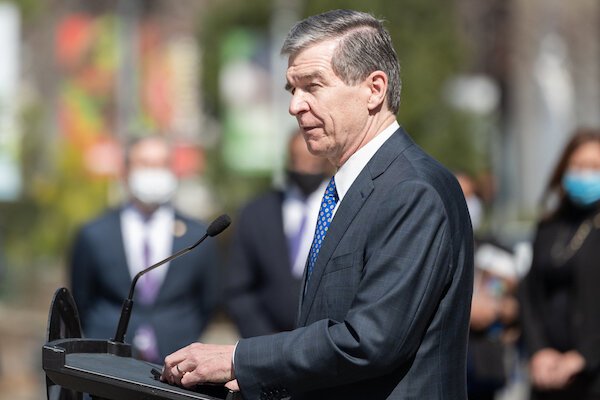
"We know that keeping kids learning in the classroom is the most important thing for our students right now. Getting vaccinated, wearing a mask in public indoor settings and following the science is what we need to do," said Governor Cooper. "The faster we put this pandemic behind us, the sooner we can all rest easy and stay healthy."
The Food and Drug Administration has approved the Pfizer-BioNTech COVID-19 vaccine, which will Pfizer is calling Comirnaty, for the prevention of COVID-19 disease in individuals 16 years of age and older.
North Carolinians who are moderately to severely immunocompromised and received the Moderna or Pfizer vaccines can now begin receiving an additional dose to better protect themselves from COVID-19, the North Carolina Department of Health and Human Services announced today.
The Centers for Disease Control and Prevention (CDC) has issued a new residential eviction moratorium that will offer protection from eviction for most renters in North Carolina. The moratorium, which will remain in effect through Oct. 3, 2021, applies in U.S. counties experiencing substantial and high levels of community transmission of SARS-CoV-2, the virus that triggers COVID-19.
Some universities across the state have announced that they will be requiring the COVID vaccine for students returning to campus. UNC System public universities are not requiring, but encouraging, the vaccine. Some private schools, including Duke and Wake Forest, are requiring it.
Governor Roy Cooper has proclaimed July Adolescent Immunization Awareness Month to highlight the importance of immunizations for North Carolina’s preteens and teens. As teachers, parents and students are preparing for the start of the 2021-22 school year, public health officials remind parents and guardians to ensure their teens and preteens are current on all their vaccinations and encourage health care providers to take steps to ensure their young patients are up to date.
The state moratorium on evictions expires June 30, 2021, after being extended twice during the COVID-19 pandemic. First enacted by an executive order from Gov. Roy Cooper in October 2020, and twice extended by a vote of the Council of State, the government order prevented property owners from enforcing eviction due to nonpayment of rent.
The Centers for Disease Control and Prevention today updated North Carolina’s vaccine data on its COVID Data Tracker. The number of vaccine doses administered for North Carolina increased by 621,198 doses in addition to regularly uploaded data.
The state evictions moratorium will end July 1 after Republican members of the Council of State rejected a one-month extension, which would have aligned with the national CDC evictions moratorium through July 31.
Following the CDC’s decision to extend its national evictions moratorium, Governor Cooper on Monday asked for the necessary concurrence from the Council of State to extend the evictions moratorium order.