One positive emerging out of the politicization of classrooms is the awakening of parents to their rights and responsibilities in educating their children. Truthfully, in many families, too much instruction has been outsourced to the state without much thought.
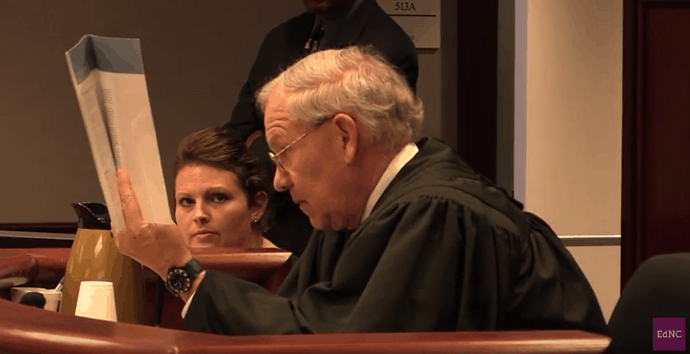
The former presiding jurist in the Leandro school funding case says the current struggles facing public schools in North Carolina are more about a breakdown in classroom instruction than a lack of funding.
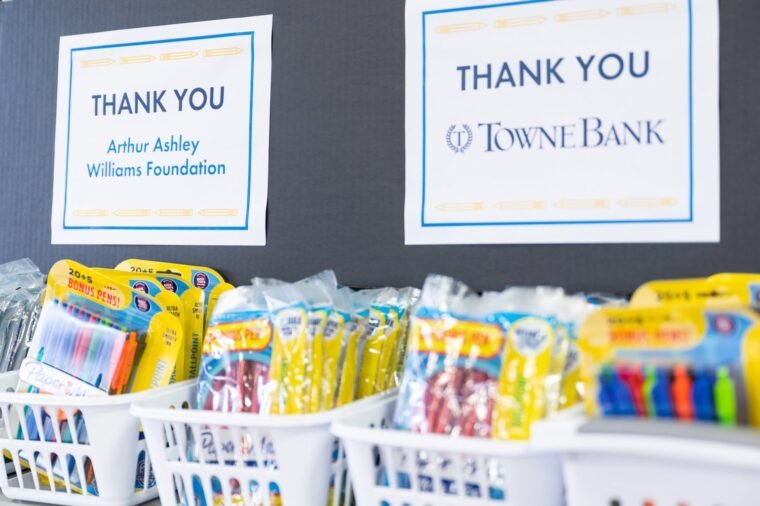
Jennifer Pride, a language arts teacher in the Heritage Middle School, Wake Forest, can’t say enough good things about the WakeEd Partnership’s Tools4Schools store in Cary. “Things that I would normally have to pick up on my own or ask my school for, they are offering it to us free of charge,” she said. “Every teacher I know spends money out of pocket to support their classroom.”
Following the N.C. Department of Health and Human Services announcement that North Carolina won’t be ending the mask mandate for public school children, N.C. Speaker of the House, Tim Moore, R-Cleveland, stated that the House would be advancing legislation to give parents the ability to opt-out of the mask requirement. Legislation is expected after redistricting.
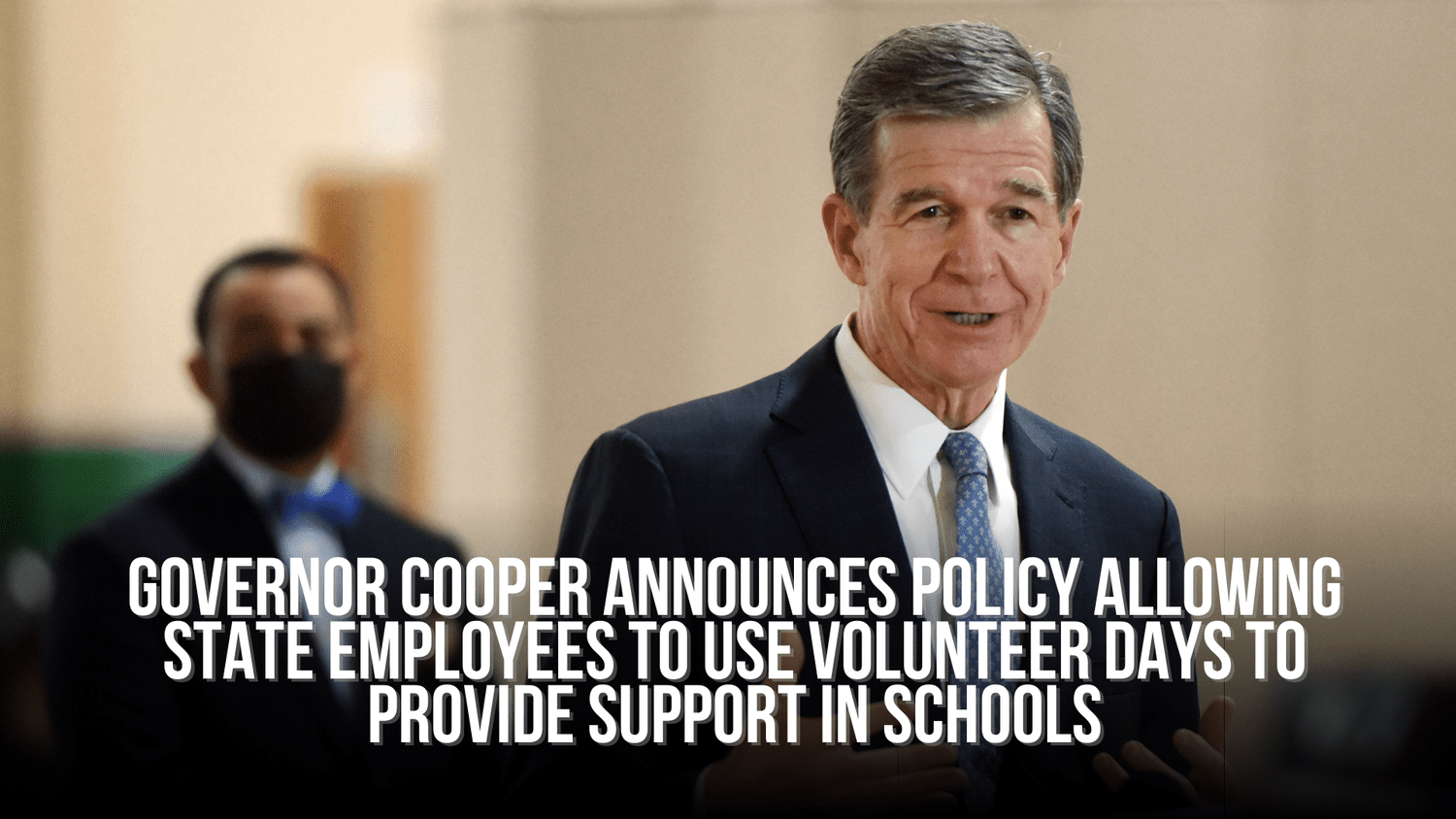
Governor Roy Cooper today announced plans to help combat staff shortages in K-12 school districts across the state during the current surge of COVID-19 cases. The policy will allow state employees to use volunteer days with supervisor approval to work in North Carolina public schools as substitute teachers, bus drivers and cafeteria staff.
As we close the books on 2021, the year leaves stories for the future: an awakening from the pandemic, renewed attention to public school classrooms, and indications that the 2022 elections could bring a Republican wave.
Even in North Carolina, the rejection of fundamental American principles thunders ahead. The proof? Gov. Roy Cooper vetoed an anti-critical race theory bill on Sept. 10. If one reads the text, it’s hard to imagine political leaders opposing these principles a few years ago. Simply put, the bill works to reinforce the American tenets of equality and our E Pluribus Unum motto.
How much say should the public have about public education? Parental revolts against “wokeness” fads in the classroom are all the rage right now, but gaps between public preferences and the practice of public education didn’t suddenly begin a few months ago. They’ve been around for decades.
Lt. Gov. Mark Robinson in March announced the launch of a task force to address growing concern grew among public school parents about political and cultural indoctrination in the classroom, specifically related to Critical Race Theory.
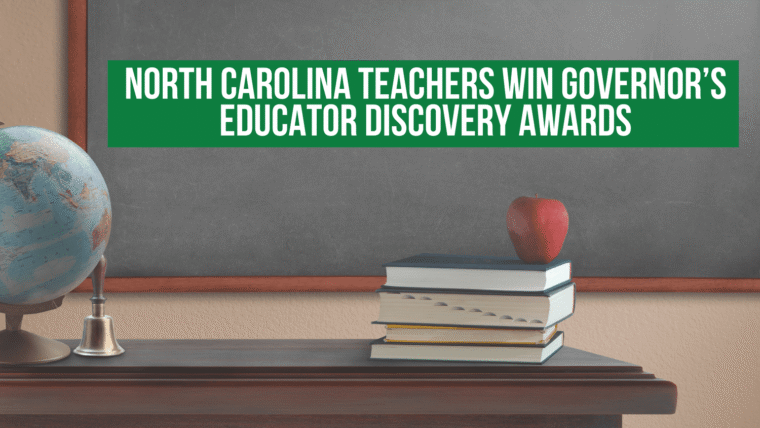
Three North Carolina teachers have won Governor’s Educator Discovery Awards to help strengthen their work in the classroom, Governor Roy Cooper and the North Carolina Business Committee for Education announced.