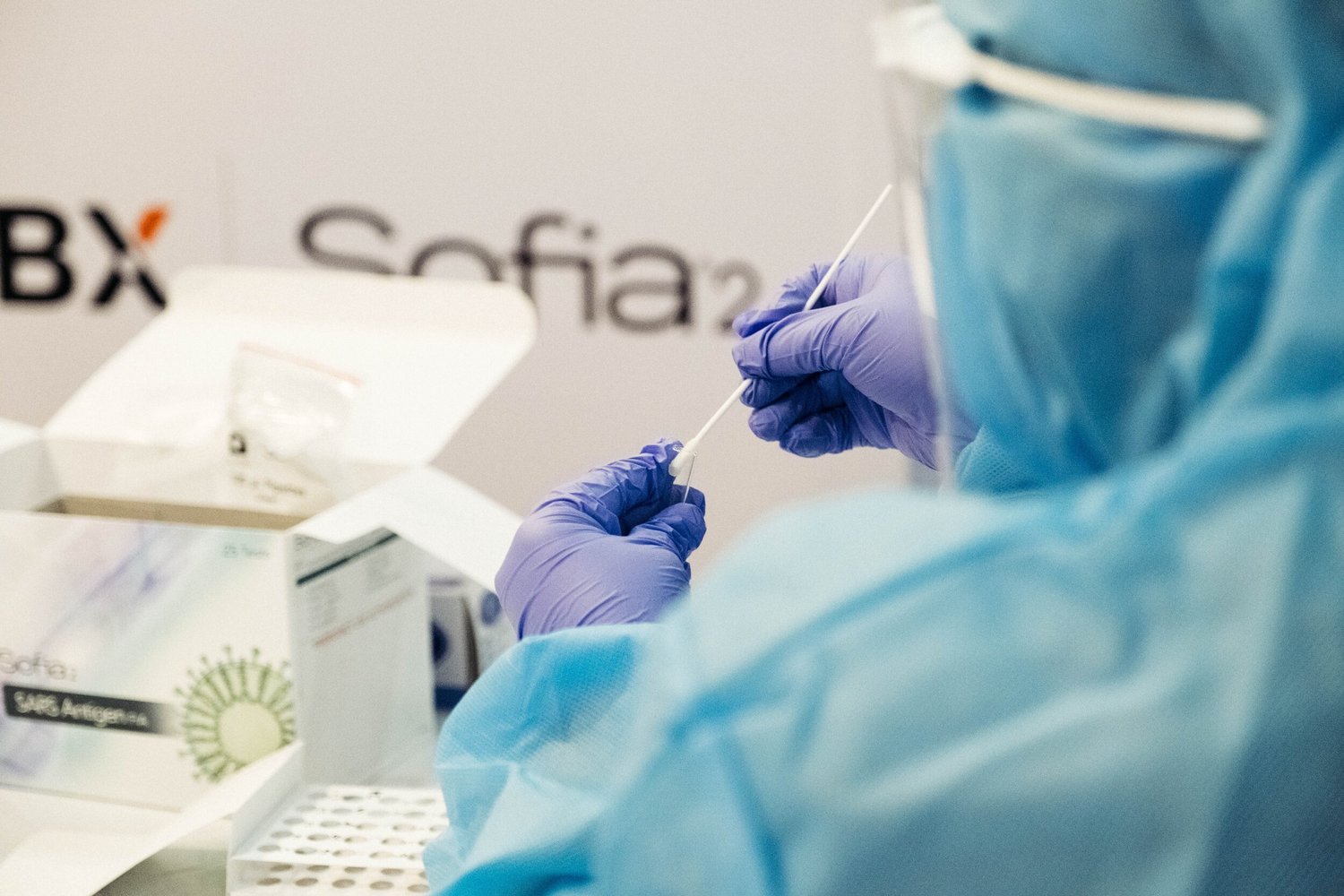
Transmission of the COVID-19 virus has been “extremely limited” in public schools that have reopened in North Carolina, a team of researchers from Duke University and UNC-Chapel Hill have found.
“Learning pods have introduced the concept and necessity of school choice,” Terry Stoops, director of the Center for Effective Education at the John Locke Foundation, said. “The system is not well-suited to meet the needs of individual children. These parents have found a way to do that, and I don’t think they’ll want to give that up easily.”
As Gov. Roy Cooper enters his second term as governor, he sees North Carolina dragged down not just by the COVID pandemic, but by racism, unaffordable health care, and unequal opportunity. In a sharp contrast, Lt. Gov. Mark Robinson cast himself as an example of North Carolina’s successes as he was sworn in as the state’s first black lieutenant governor. In his North Carolina, the people of the state are locked in a larger, national battle for freedom.
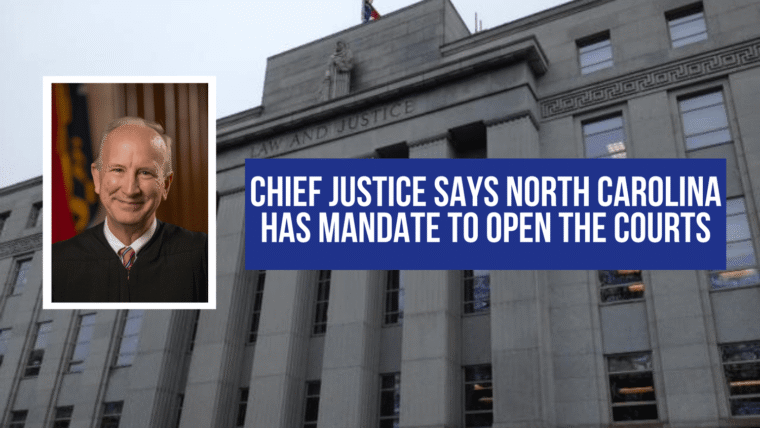
Quoting directly from Article 1 Section 18, constitution’s open court provision, Justice Paul Newby stated, “The courts shall be open, and that justice shall be administered without favor, denial or delay.”
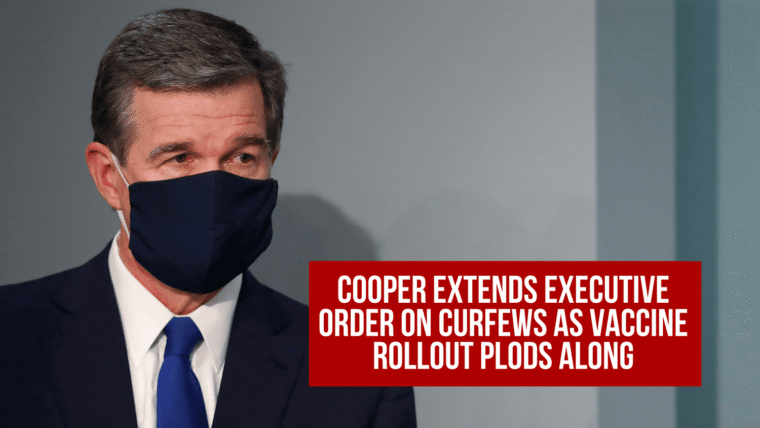
North Carolina won’t fully open anytime soon. The governor’s curfews and shutdowns will continue for three more weeks. Dr. Mandy Cohen piled on Wednesday, Jan. 6. The head of North Carolina’s Department of Health and Human Services enacted a “secretarial directive” warning people to stay home, especially those older than 65.
The year of 2020 will leave little for Brant and Karen Barnes. Their income vanished when the governor shut down North Carolina in March. Barnes suffered a heart attack in June. A tree toppled across their house in July, and their pottery studio burned down. The latest blow was losing the Western North Carolina Pottery Festival.
It might be a new year, but remote learning isn’t over. As the legislature enters a new session, students are leaving the classroom. Learning is back online in many of the state’s major districts. Learning loss is reaching historic highs, and lawmakers want to make sure students aren’t left behind.
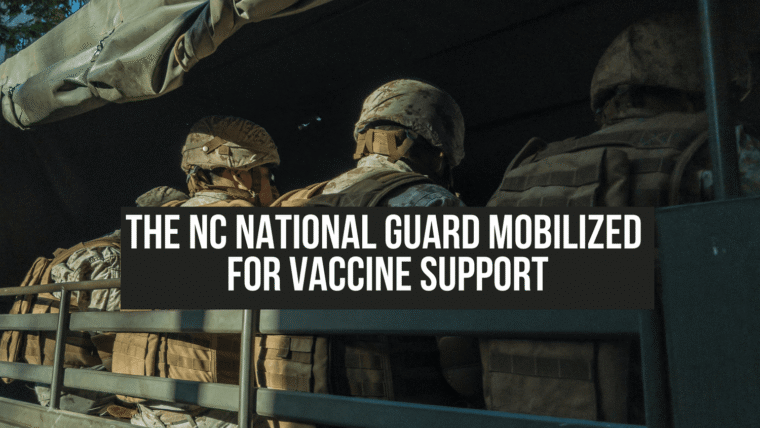
N.C. Department of Public Safety, including its divisions of Emergency Management and the N.C. National Guard, are actively planning and coordinating with N.C. Department of Health and Human Services to create options for how Guard personnel may augment existing vaccination resources.
RALEIGH — Today, the North Carolina Department of Health and Human Services announced that Food and Nutrition Services recipients will see a temporary increase in the amount of benefits they receive. This increase is part of the federal Emergency Coronavirus Relief Act of 2020. The maximum benefit amount for households receiving FNS will increase by 15% until June 30, 2021. This increase will end on June 30, 2021, when benefit amounts will return to their current levels.
On Jan. 1, 2021, North Carolina reported its highest one-day number of COVID-19 cases with 9,527 new cases reported, exceeding the state’s previous highest day set on Dec. 18, 2020 by more than 1,000. Cases remained high today, Jan. 2, with 9,356 new cases reported.
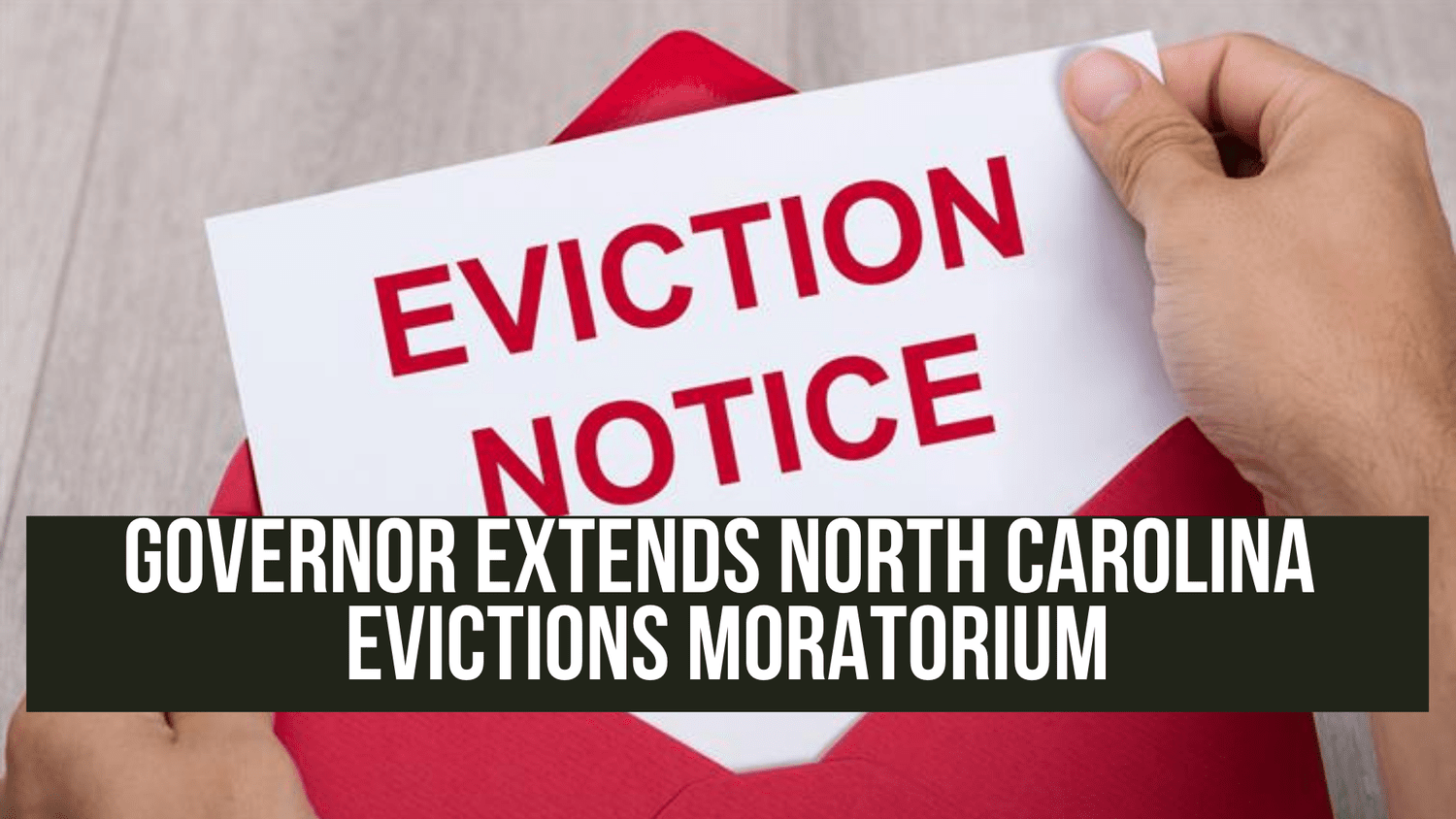
Governor Roy Cooper signed Executive Order 184, extending North Carolina’s evictions moratorium through January 31, 2021. Research shows that eviction moratoriums help prevent the spread of COVID-19. States that let their eviction moratoriums lapse saw a COVID-19 incidence rate that was 1.6 times higher than states that kept a moratorium in place.