North Carolinians can get critical help to pay for high-speed internet from a $3.2 billion federal program opening in May for families and households working, learning and shopping from home during the COVID-19 pandemic.
The North Carolina Department of Health and Human Services’ Division of Health Service Regulation today announced it has made a new temporary pathway available for individuals who worked in nursing homes during the COVID-19 pandemic as temporary nurse aides to be listed on the Nurse Aide I Registry.
North Carolina’s governor would face a new 10-day limit on unchecked use of emergency powers, under a bill approved Tuesday on a party-line vote in the state Senate.
Today, the NC House voted 112-1 to pass House Bill 334 – Temporarily Align PPP Treatment to Federal Treatment, which will provide tax relief for small businesses and individuals impacted by the COVID-19 pandemic.
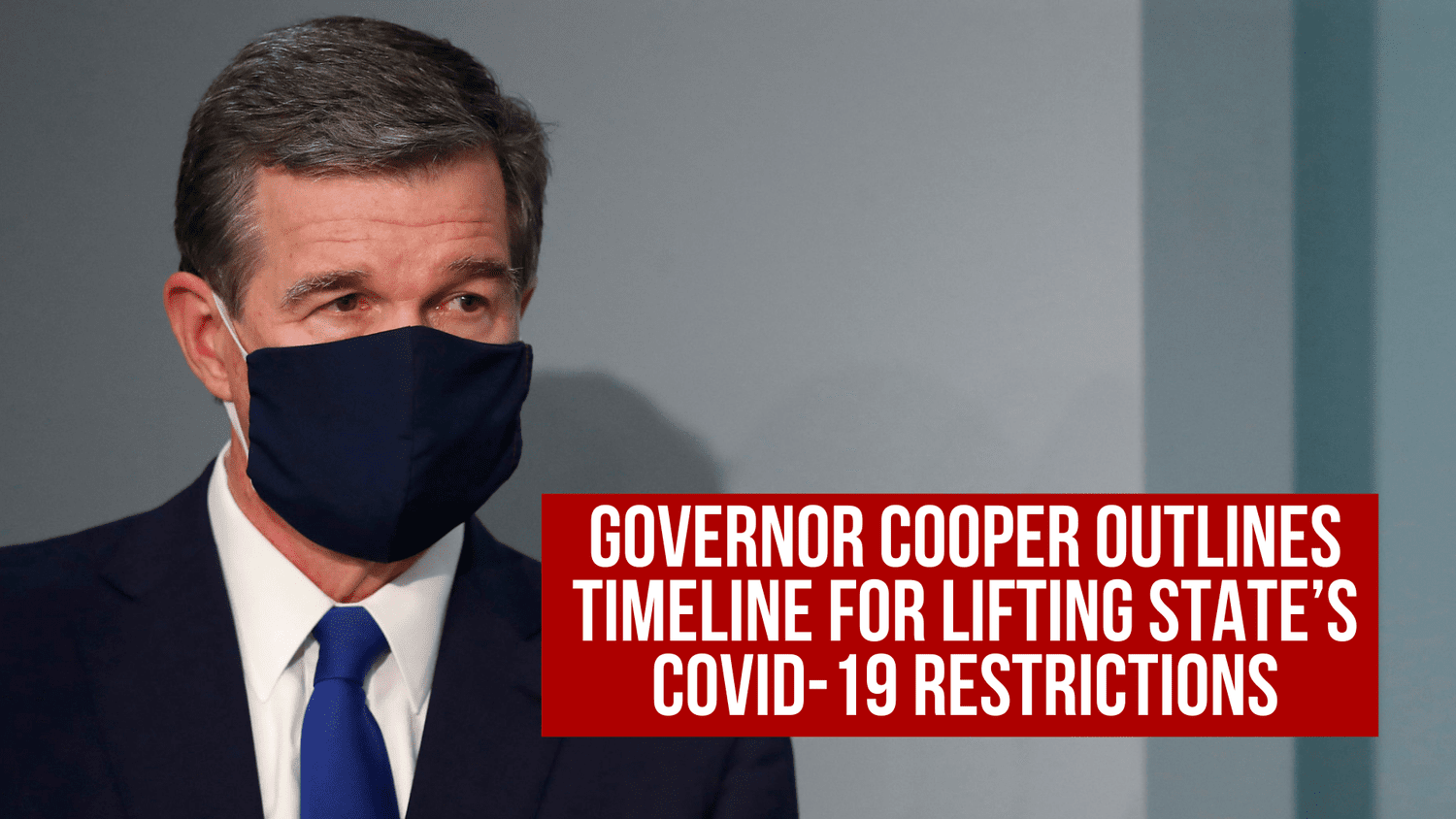
Governor Roy Cooper and North Carolina Department of Health and Human Services Secretary Mandy K. Cohen, M.D. laid out a timeline for lifting current pandemic restrictions today. With stable trends and continued vaccination success, the state expects to lift mandatory social distancing, capacity, and mass gathering restrictions by June 1. The Governor plans to issue an executive order next week outlining safety restrictions for the month of May.
More than 100,000 doses of COVID-19 vaccine have been administered through the federally supported vaccination center that opened March 10, 2021 in Greensboro, N.C. The center has been successful in reaching underserved communities with recipients praising the staff and service.
Nearly two-thirds of North Carolinians worry about harmful side effects of the COVID-19 vaccine, even as a growing majority say they’ll take it to get back to normal life.
North Carolina state government is headed into the 2021-22 fiscal year with nearly $5 billion in unanticipated revenue and unencumbered savings. Even after making critical deposits into the state’s rainy-day fund, reserve for repairing and renovating state buildings, and other accounts, there’ll be enough money left on the table to start a fight.
Two bills sitting on Gov. Roy Cooper’s desk are designed to remediate learning losses for K-12 students left behind by classroom closures caused by the COVID-19 pandemic.
North Carolina’s work to reach underserved and historically marginalized populations and deliver equitable access to COVID-19 vaccines is a model approach for the country, according to a new report released this week by the Duke-Margolis Center for Health Policy and the National Governors Association Center for Best Practices (NGA).
The state House voted today to approve the Emergency Powers Accountability Act (HB 264) to strengthen and clarify the intent of the law regarding the Governor’s executive powers during an emergency.