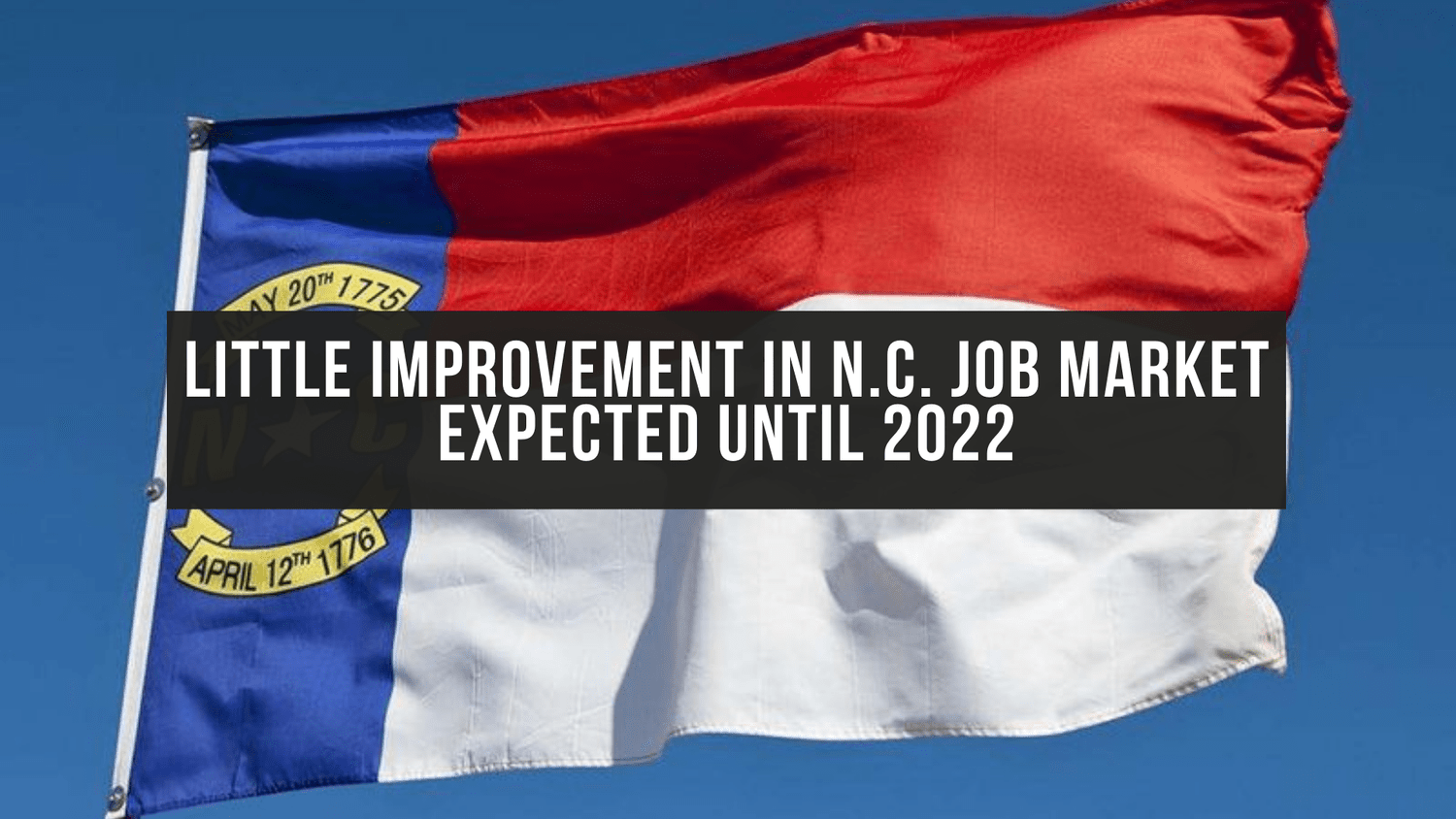
Little improvement in N.C. job market expected until 2022
North Carolina’s heavy-fisted response to the coronavirus pandemic has resulted in a delayed economic recovery, reports from state and national economists show.

North Carolina’s heavy-fisted response to the coronavirus pandemic has resulted in a delayed economic recovery, reports from state and national economists show.
Following President Biden’s proposal to increase the minimum wage nationally to $15 an hour, a handful of Democrats in the N.C. legislature have introduced a bill that would set that same earnings benchmark for noncertified public school employees.
State economists project North Carolina will have 17.6 percent more revenue this year than projected last year, an amount that can help rebuild the state as its economy emerges from the COVID-19 pandemic.
The state budget may be spared economists’ worst fears from the COVID pandemic, according to a new tax revenue forecast.
Gov. Roy Cooper signed a more than $2 billion COVID relief bill on Wednesday, Feb. 10, despite his call for more spending.
Gilead Sciences, Inc. (Nasdaq; GILD), a leading biopharmaceutical company developing innovative medicines, has selected North Carolina’s Research Triangle region as the location for a major business services and information technology hub, creating 275 jobs, Governor Roy Cooper announced today. The company will invest up to $5 million in Wake County.
The COVID-19 crisis has brought death, economic destruction, and wrenching social change. As a combination of post-illness immunity and rising vaccinations begins to suppress the pandemic, we’re going to feel a powerful impulse to put as much of this horrendous experience as possible behind us.
When will North Carolina’s economy return to normal, or at least to a “new normal”? Unfortunately, that destination is many months away, if not years. Still, we’ll know we’re making progress when we can see the most damaging events of 2020 only in our rearview mirrors.
While an annual report from a financial watchdog shows most U.S. cities are poorly prepared to face the fiscal fallout from the COVID-19 pandemic, the three North Carolina cities examined showed stronger numbers.
New research finds that federal regulation leads to an increase in deaths, and North Carolina is one of the states most affected.
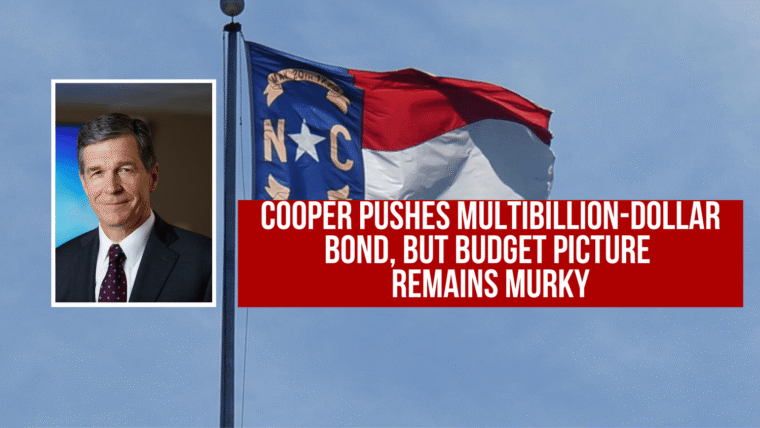
Gov. Roy Cooper is again pushing for a multibillion-dollar infrastructure bond, but Republican leaders caution that North Carolina’s still-unsteady economy makes it impossible to tell whether it would be prudent.
The year of 2020 will leave little for Brant and Karen Barnes. Their income vanished when the governor shut down North Carolina in March. Barnes suffered a heart attack in June. A tree toppled across their house in July, and their pottery studio burned down. The latest blow was losing the Western North Carolina Pottery Festival.