The Republican philosophy for North Carolina is apparent to any mildly informed observer not predisposed to blind partisanship. After all, we’ve adhered to it for more than a decade.
Epidemiologists and infectious disease experts have consistently maintained that the risk of spread of the COVID-19 virus among young children is low. But that hasn’t stopped policymakers like N.C. Gov. Roy Cooper from — for most of the past year — keeping in-person instruction closed for all K-12 students. Many families have suffered as a result.
Gov. Roy Cooper on Friday, April 9, signed two bills into law designed to help students who lost more than a year of in-person learning because of the pandemic and subsequent lockdowns.
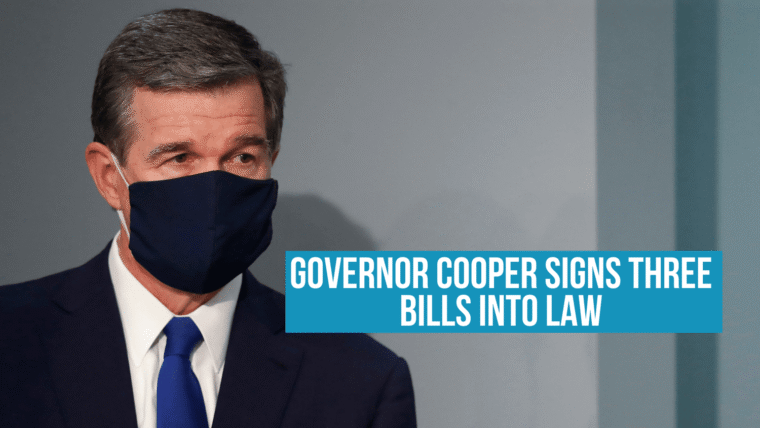
Today, Governor Roy Cooper signed the following bills into law: House Bill 82: Summer Learning Choice for NC Families, Senate Bill 387: Excellent Public Schools Act of 2021, House Bill 53: Educ. Changes for Military-Connected Students.
Public school teachers in North Carolina receive an average annual salary of $53,392 for the current school year, according to the latest figures from the N.C. Department of Public Instruction. That puts the state second best in the Southeast — behind Georgia — in average teacher pay.
Two bills sitting on Gov. Roy Cooper’s desk are designed to remediate learning losses for K-12 students left behind by classroom closures caused by the COVID-19 pandemic.
On March 31, the North Carolina Senate passed the hugely controversial SB 387, titled the Excellent Public Schools Act of 2021, by margin of 48 senators in favor, none opposed.
Republican legislators in the N.C. Senate are pushing forward a bill meant to improve literacy among North Carolina public school students by the third grade.
The N.C. State Board of Education has voted unanimously to switch social-distancing requirements under a “Plan A” return to public school classrooms to 3 feet rather than the previous six feet.
It may sound preposterous at the moment, with North Carolina’s unemployment rate still significantly above its pre-COVID rate, but I think our leaders should be talking about the state’s coming labor shortage.
For years, Tri-County Community College has wanted to offer in-state tuition to Georgians who live in one of those counties. That, administrators say, would help fill empty seats in their classrooms while also funneling more people to North Carolina employers and universities.
Interest in homeschooling has surged in North Carolina during the COVID-19 pandemic. Now, Republican lawmakers in the state Senate want to give these families tax relief to help meet expenses.