Gov. Roy Cooper has pulled out his veto stamp again to reject bills dealing with public school indoctrination and penalties for rioting. Cooper now has vetoed 10 bills this year and 63 bills since becoming governor in 2017.
Test results in reading, math, and science for the 2020-21 school year show the effects school closures and remote learning have had on public school students in North Carolina.
Governor Roy Cooper signed an Executive Order providing flexibility for certain law enforcement training classes to continue operating during the pandemic and ensure continuity in the training for current and new law enforcement in North Carolina.
A bill that would prohibit public schools from promoting controversial viewpoints related to Critical Race Theory cleared the N.C. Senate on Thursday. Debate about the bill featured rare personal attacks among senators.
"The State Board of Education is constitutionally and statutorily charged with administering children’s education in state public schools, including charter schools. It is critical that the Board have both of their appointments to the Charter School Advisory Board to carry out its constitutional duties."
College students are returning to campus amid delta variant fear spikes, restrictions, and, now, some University of North Carolina faculty pushing for a return to remote instruction. But how does a return to campus affect students psychologically?
Mask wars have once again erupted in Buncombe County after the school board voted during a specially called meeting last week, without public comment, to require all students and staff to wear masks while inside, regardless of vaccination status.
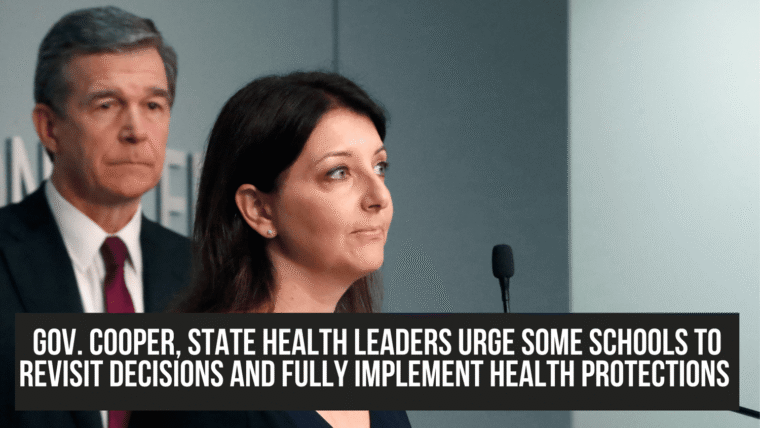
Today, Governor Roy Cooper, NC DHHS Secretary Mandy Cohen and State Health Director Dr. Betsey Tilson sent a letter to school boards that have failed to adopt the StrongSchoolsNC Public Health Toolkit urging them to protect their students and staff in the new school year.
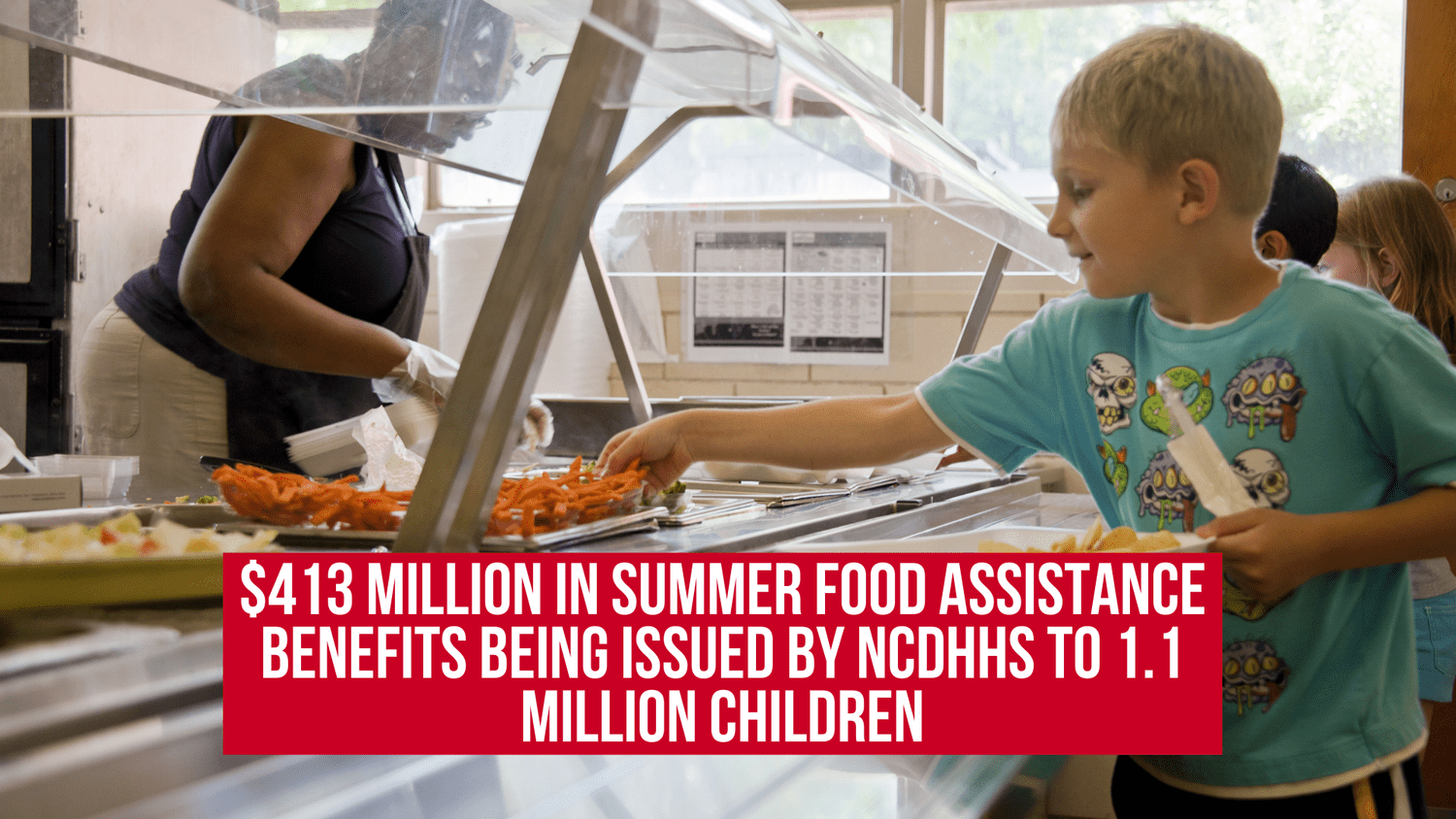
The North Carolina Department of Health and Human Services has begun issuing $413 million in food assistance payments to an estimated 1.1 million eligible children through the Summer Pandemic Electronic Benefits Transfer food assistance program. Children who are eligible for the summer receive a one-time payment of $375 on their family’s P-EBT card.
How much say should the public have about public education? Parental revolts against “wokeness” fads in the classroom are all the rage right now, but gaps between public preferences and the practice of public education didn’t suddenly begin a few months ago. They’ve been around for decades.
Given the freedom to choose whether to mandate masks for students, school boards across the state have begun voting to make face coverings optional for the coming school year.
Lt. Gov. Mark Robinson in March announced the launch of a task force to address growing concern grew among public school parents about political and cultural indoctrination in the classroom, specifically related to Critical Race Theory.