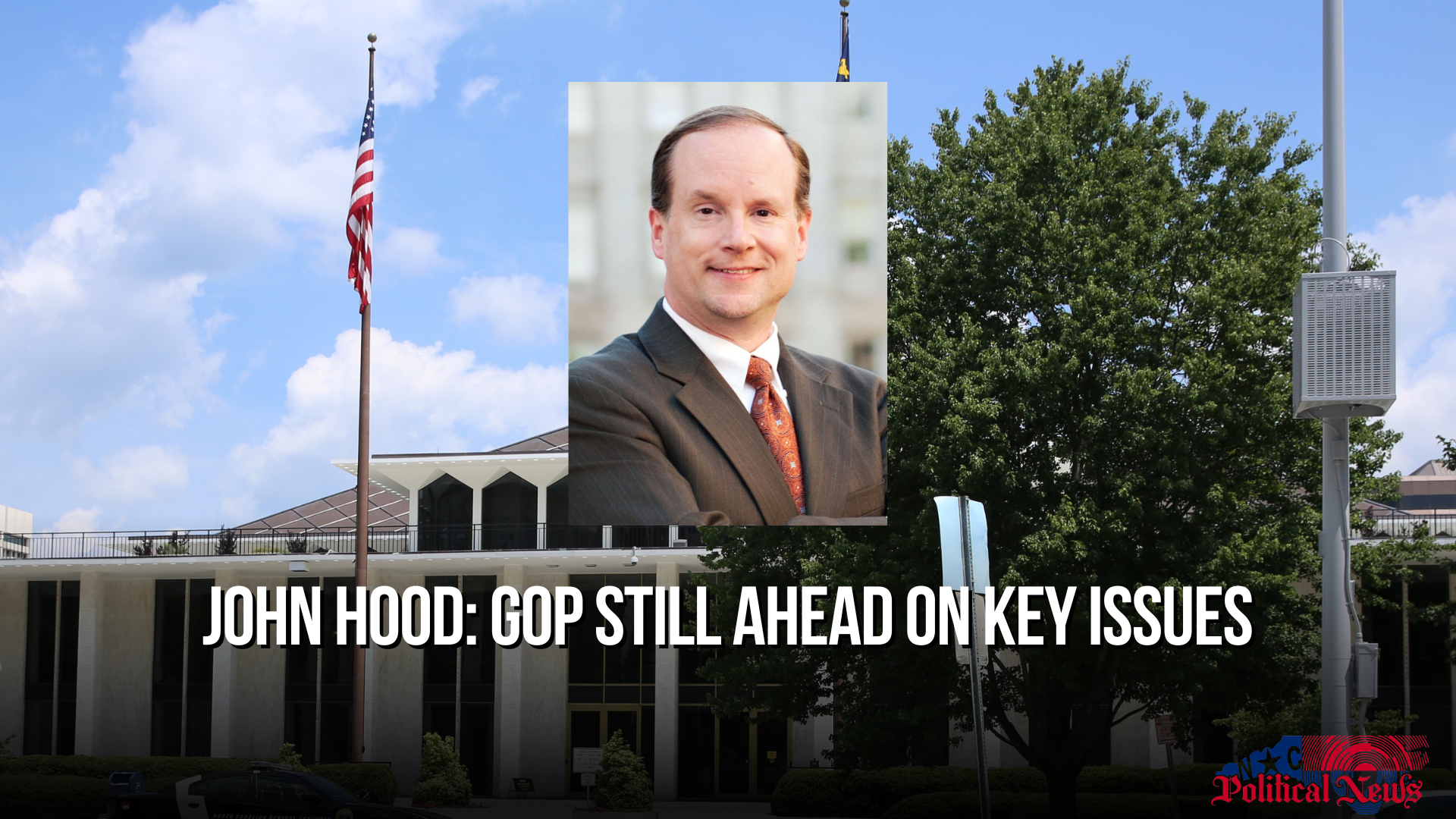
RALEIGH — A little over a year ago, I penned a column using polling data to explore why North Carolinians appeared to favor Republicans over Democrats in generic-ballot tests.“No, it isn’t just because of unfair redistricting,” I wrote. “Nor is it a lack of resources. North Carolina Democrats have raised and spent lots of money on races they still ended up losing. What I mean is that, on many of the public’s top concerns, Democrats lack credibility with the swing voters they need to prevail.”
RALEIGH — A little over a year ago, I penned a column using polling data to explore why North Carolinians appeared to favor Republicans over Democrats in generic-ballot tests.
The commissioner of labor is one of 10 independently elected members of the Council of State, which constitutes the executive branch of North Carolina’s government.
A new Civitas poll shows that Republican candidates running for U.S. Congress and the state legislature in North Carolina are in good shape heading into the 2022 midterm election.
A new statewide poll shows that a majority of Republican primary voters oppose expanding North Carolina's Medicaid entitlement program. Once the details of Medicaid expansion are offered to respondents their opposition climbs, pointing to a potential messaging hole for expansion opponents.
The North Carolina General Assembly is going to stay in Republican hands after the 2022 midterms. For state Democrats, this is a bitter pill to swallow. That they’ve already managed to swallow it, however, is evident in their manifest failure to recruit enough candidates to put up a credible fight this year for control of the legislature.
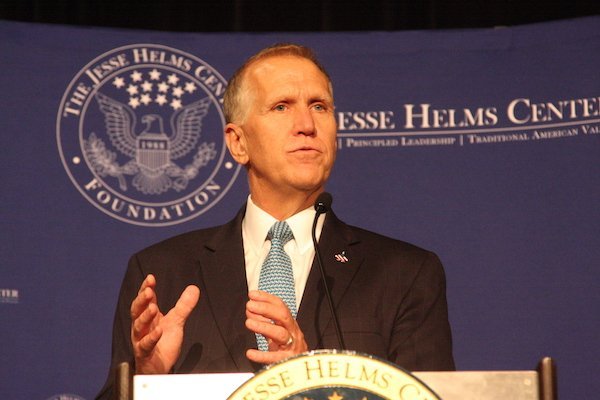
GOP Senate Banking Committee members, including U.S. Sen. Thom Tillis, R-N.C., sent a letter to President Biden on Thursday, March 3, with continued concerns of the president's selection of Duke University Law Professor Sarah Bloom Raskin for Fed Reserve Board vice chair of supervision.
Each of the plaintiffs in North Carolina's legal dispute over election maps is asking the U.S. Supreme Court to stay out of the fight. So is the N.C. Justice Department.
Over the past couple of weeks, North Carolina politicos have focused intently on the outcome of the state’s latest redistricting saga. After the GOP-majority General Assembly saw its original set of electoral districts thrown out by the courts, lawmakers tried again. Their new legislative maps were accepted. A three-judge panel rejected the Republicans’ newly crafted congressional districts, however, and enacted a “remedial” map for the 2022 cycle.
North Carolina has been politically competitive for a long time. It will remain so for the foreseeable future, although the structure and focal points of that political competition have always been subject to change.
Since the Friday night massacre, in which a partisan Democrat state Supreme Court threw out GOP-enacted congressional and legislative districts, legislators and political observers have been trying to figure out what happens next and what it means for the General Assembly as they return to Raleigh next week to revise maps.