Raleigh, N.C. – The chairs of the Senate Health Care Committee introduced two bills to bring down the cost of healthcare in the state and increase pricing transparency.
RALEIGH — North Carolina’s hospital sector has undergone lots of mergers and acquisitions over the past decade. Now the pace of change is, if anything, accelerating.
New research predicts long-term pain for the labor market due to around 3 million workers who plan to remain permanently sidelined over concerns of physical illness or physical impairment due to the COVID-19 pandemic.
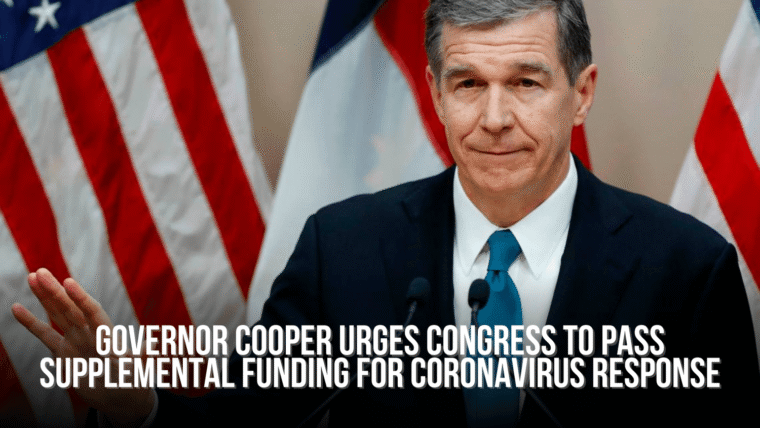
Governor Roy Cooper sent a letter to the North Carolina Congressional Delegation urging Congress to act immediately on a funding package for COVID-19 so that the state can stay ready in the event of a future surge.
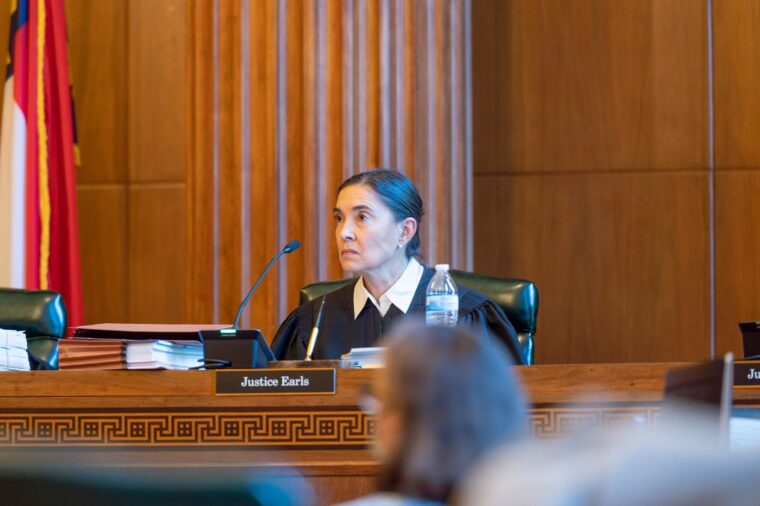
The N.C. Supreme Court has ruled, 4-2, that 220,000 state government retirees had a contractual right to premium-free health care benefits that had been promised to them. Now a trial court will have to determine whether state changes to those benefits a decade ago violated the contract.
To improve the health of Medicaid beneficiaries, and to reduce costs, the North Carolina Department of Health and Human Services is building an innovative health care delivery system with a payment structure that rewards better health outcomes, integrates physical and behavioral health, and invests in non-medical interventions. The effort is part of Managed Care Transformation.
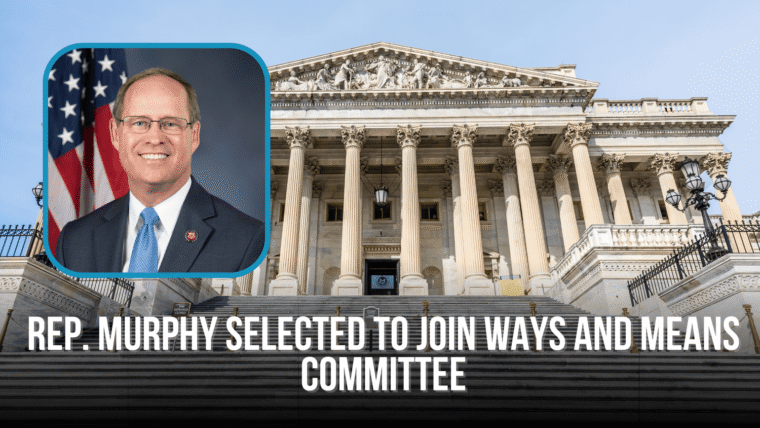
Congressman Greg Murphy, M.D. (NC-03) released the following statement after being chosen to serve on the House Ways and Means Committee and Health and Oversight Subcommittees for the 117th Congress.
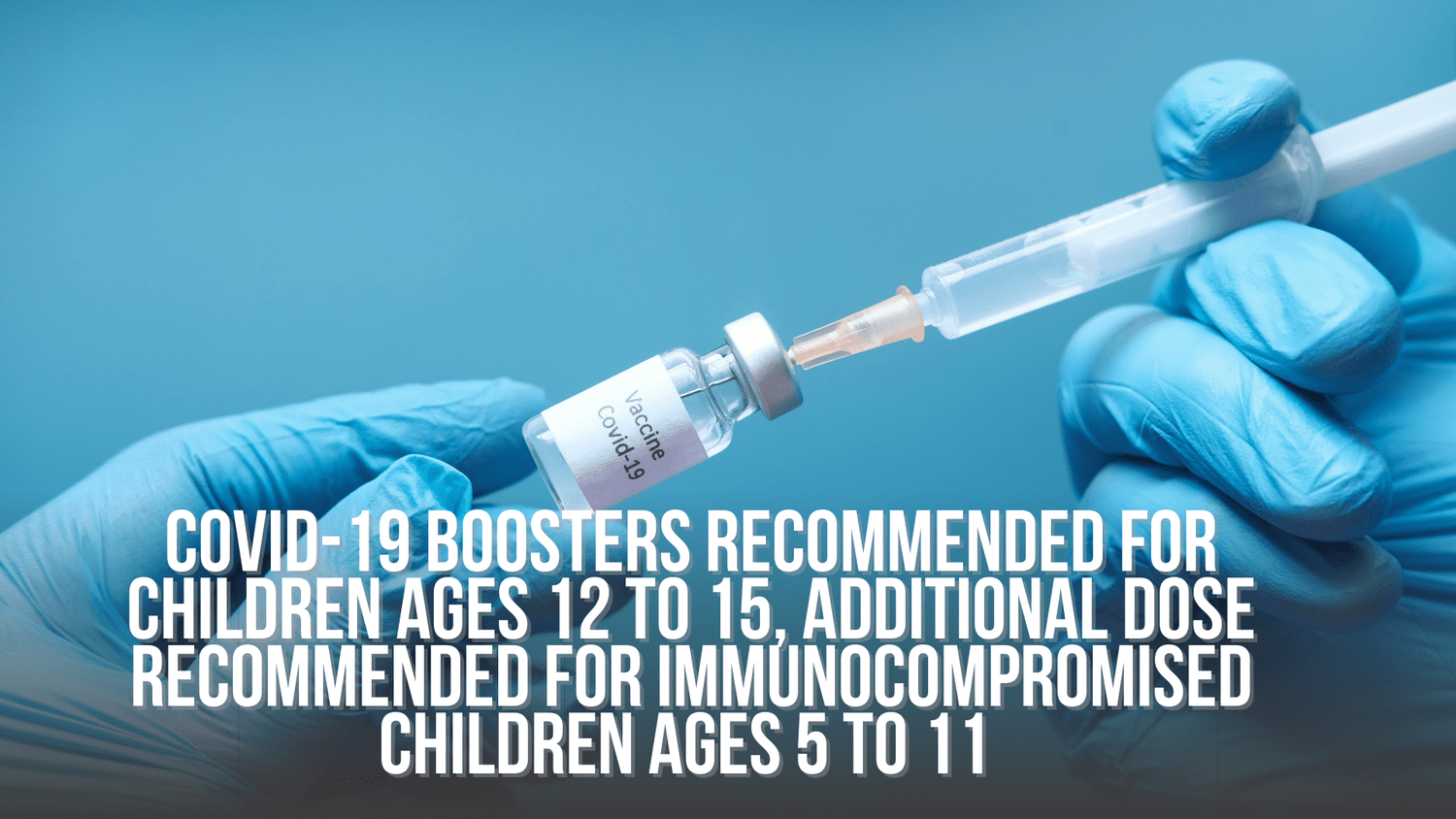
The Centers for Disease Control and Prevention yesterday announced it recommends the Pfizer COVID-19 booster for children ages 12 to 15 to further protect them from COVID-19. The CDC also recommends a third dose of Pfizer for children ages 5 to 11 who have compromised immune systems.
Kody H. Kinsley will be take his oath as Secretary of the North Carolina Department of Health and Human Services during a brief ceremony at noon, Saturday, Jan. 1, 2022.
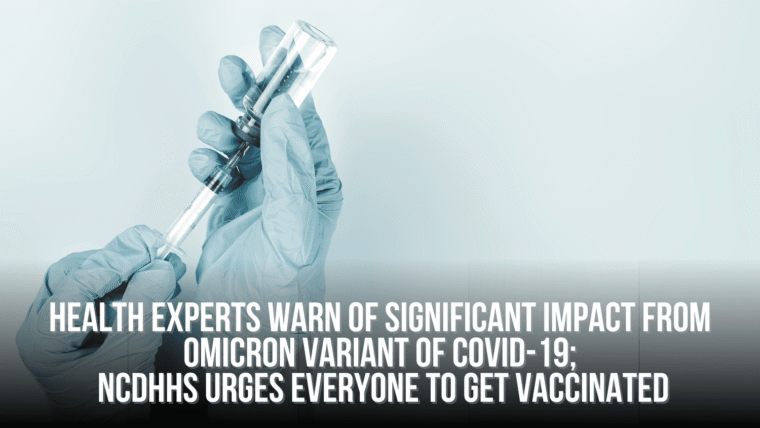
Health experts are warning that the highly contagious COVID-19 variant, Omicron, is expected to cause the greatest surge in COVID-19 infections to date in the coming months. The CDC and NCDHHS urge people to get vaccinated with an mRNA vaccine (Pfizer or Moderna) as soon as possible and to get a booster as soon as they are eligible to help prevent serious illness, hospitalization and death.
Governor Roy Cooper and North Carolina Department of Health and Human Services Secretary Mandy K. Cohen, M.D. provided an update on the state’s COVID-19 key metrics and trends.