Bill that frees up pharmacists, requires parental consent for vaccines, heads to governor
The N.C. House on Thursday, Aug. 5, concurred with the Senate on a bill giving parents control over the COVID vaccine.

The N.C. House on Thursday, Aug. 5, concurred with the Senate on a bill giving parents control over the COVID vaccine.
The North Carolina Department of Health and Human Services today announced the selection of seven organizations to serve as Behavioral Health and Intellectual/Developmental Disability Tailored Plans (Behavioral Health I/DD Tailored Plans). Individuals who need certain services to address a serious mental illness, serious emotional disturbance, severe substance use disorder, intellectual/developmental disability or traumatic brain injury may be eligible to enroll in a Behavioral Health I/DD Tailored Plan.
North Carolina Healthcare Association (NCHA) announced its position approved by the association’s board of trustees supporting COVID-19 vaccination requirements for healthcare workers. NCHA also announced several of its member health systems intend to be first in the state to require COVID-19 vaccination for their employees.
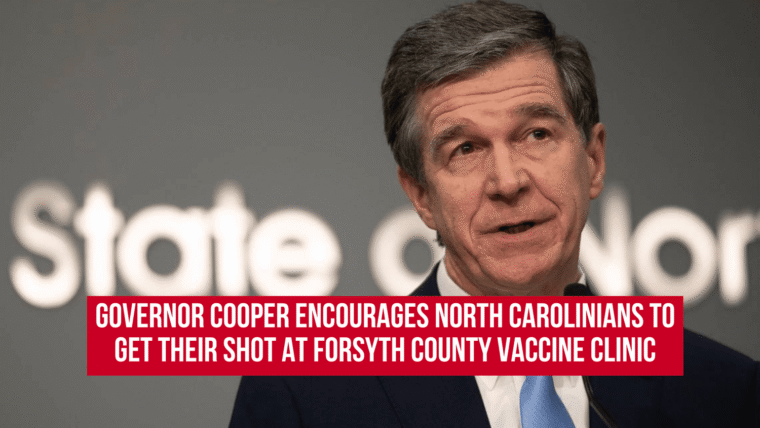
Governor Roy Cooper visited a vaccine clinic at the Forsyth County Department of Public Health to encourage more North Carolinians get their COVID-19 vaccine.
As of July 1, 2021, 77% of staff at state-operated health care facilities are fully vaccinated according to the North Carolina Department of Health and Human Services, Division of State Operated Healthcare Facilities, a state-operated healthcare system comprised of 14 facilities with more than 10,000 employees. In addition, 93% of residents in the state’s six congregate living facilities are fully vaccinated.
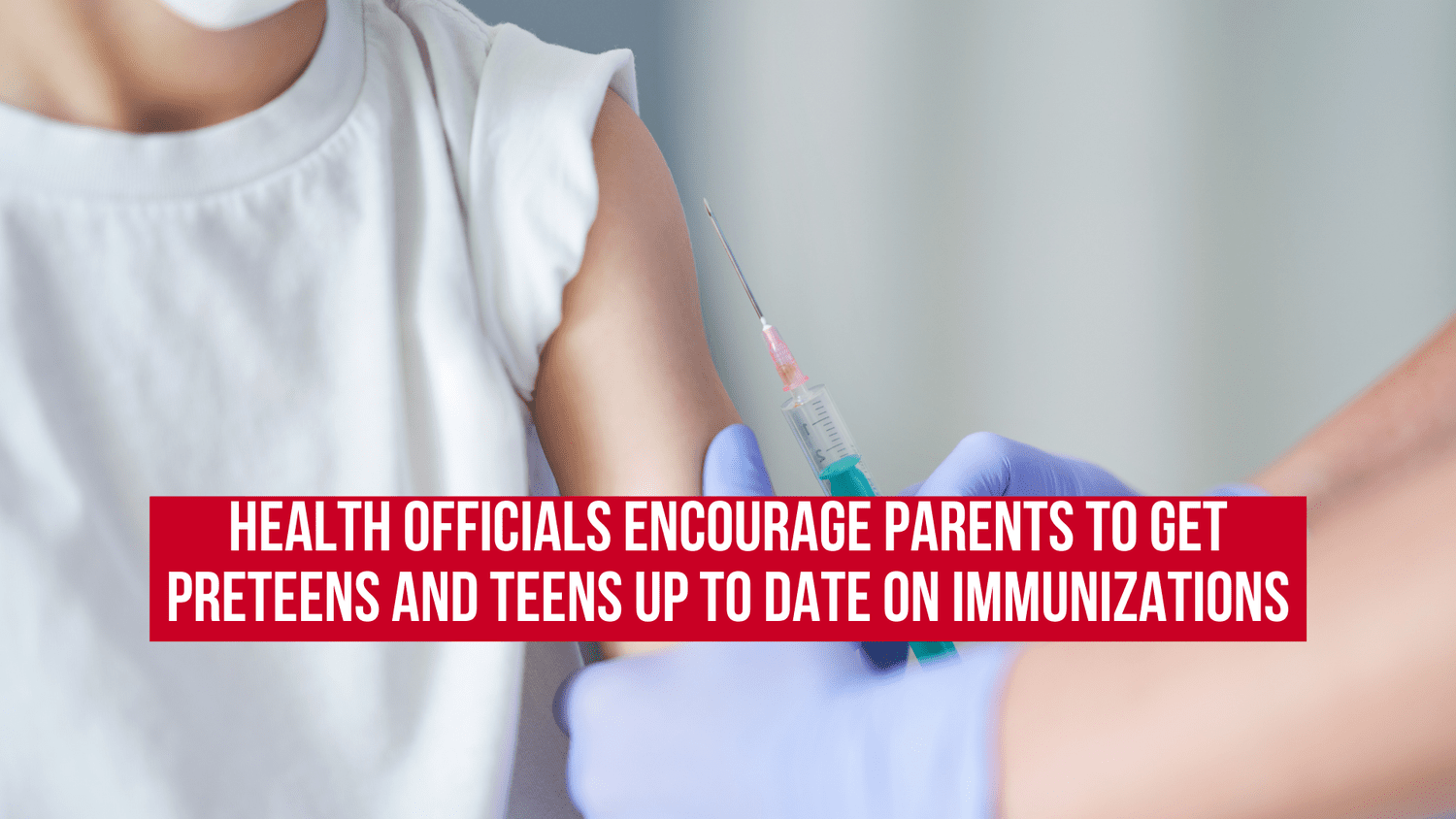
Governor Roy Cooper has proclaimed July Adolescent Immunization Awareness Month to highlight the importance of immunizations for North Carolina’s preteens and teens. As teachers, parents and students are preparing for the start of the 2021-22 school year, public health officials remind parents and guardians to ensure their teens and preteens are current on all their vaccinations and encourage health care providers to take steps to ensure their young patients are up to date.
After years of delays, North Carolina’s Medicaid program has finally transitioned to a managed care system — becoming the last large state to do so.
Starting July 1, nearly 1.6 million Medicaid beneficiaries in North Carolina will begin receiving the same Medicaid services in a new way through NC Medicaid Managed Care health plans. Most beneficiaries will continue to get care from the same doctors they see today but will now be a member of a health plan. Some beneficiaries will not enroll with health plans and will remain in NC Medicaid Direct.
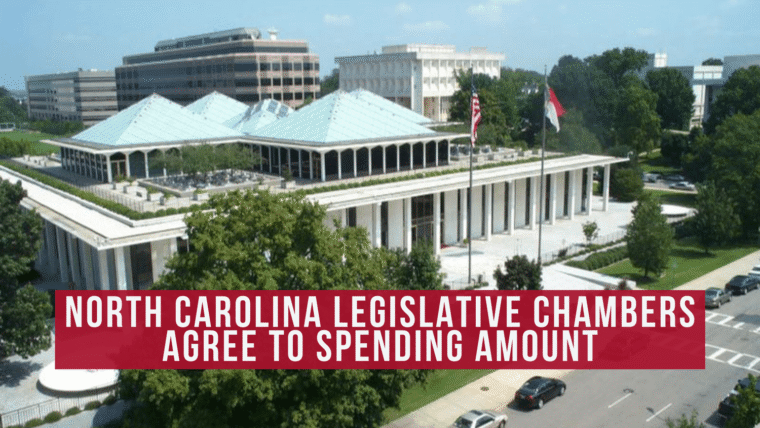
With the end of the state’s fiscal year just three weeks away, the N.C. House and Senate have reached a deal for the next budget. After weeks of closed negotiations, N.C. Senate and House leaders have agreed to a top-line spending number of $25.7 billion in the first year and $26.7 in the second year. That’s a spending increase of 3.45% in the first year of the biennium and 3.65% in year two.
The North Carolina Department of Health and Human Services today announced all Medicaid beneficiaries currently eligible to transition to managed care have selected or been assigned a health plan with 97% enrolled in a plan that includes their current primary care provider (PCP) in network.
The North Carolina Department of Health and Human Services is extending open enrollment for NC Medicaid Managed Care through Friday, May 21. This extension will not impact the NC Medicaid Managed Care launch date of July 1, 2021.
The North Carolina Department of Health and Human Services is in its final week of open enrollment for NC Medicaid Managed Care. Through Friday, May 14, beneficiaries can choose a primary care provider (PCP) and a health plan for their families’ care in preparation for the launch of NC Medicaid Managed Care on July 1.