In much of the state, fewer than 1% of for-sale homes are available at any given time — far below the 2–3% economists consider a healthy market. In the Triangle and Charlotte, where employers keep adding jobs faster than builders can add roofs, the math simply doesn't work for a growing share of families.
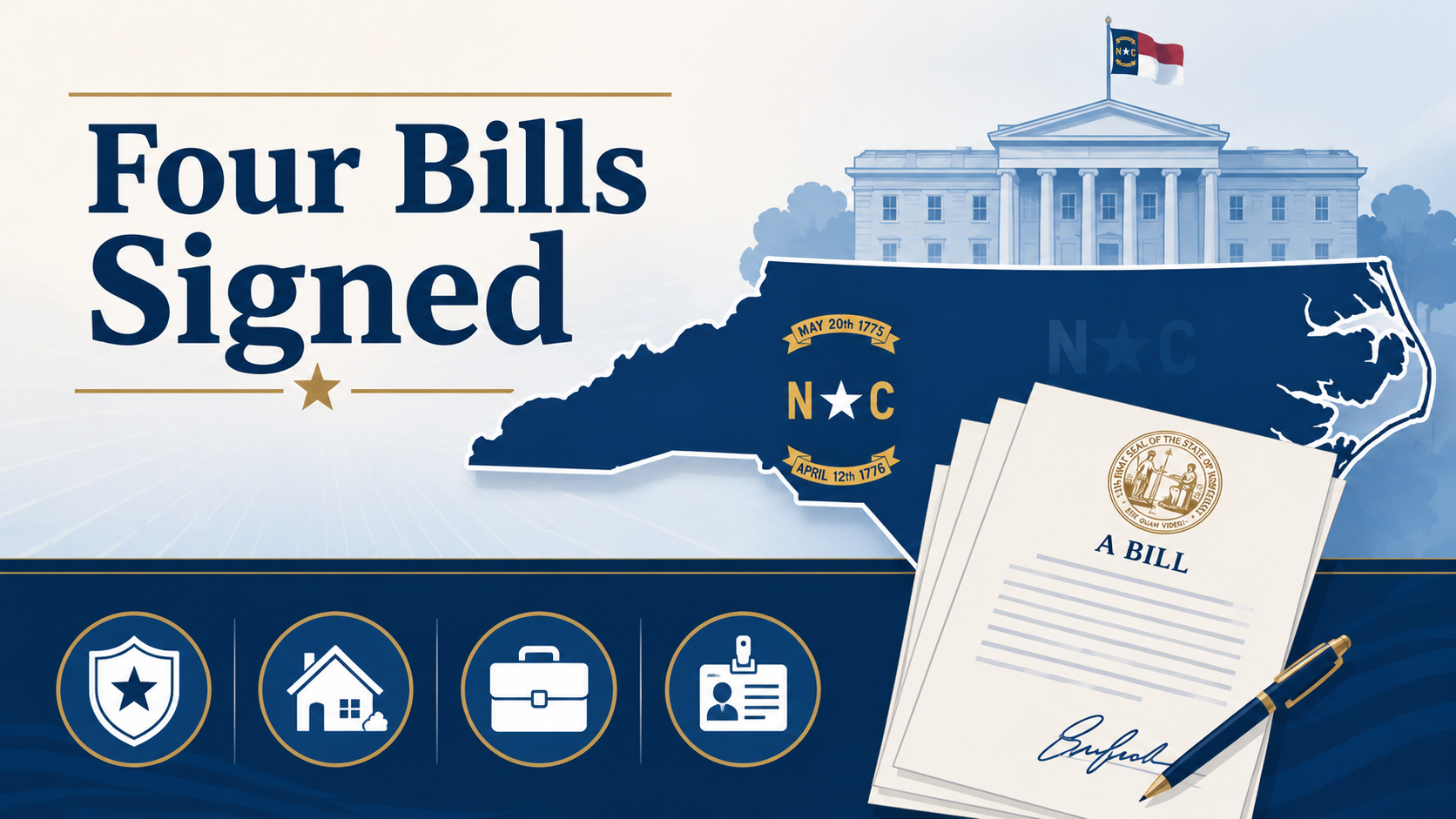
Gov. Josh Stein signed four bills into law addressing gang activity, involuntary commitment, housing development rules, stormwater incentives and state government employment.
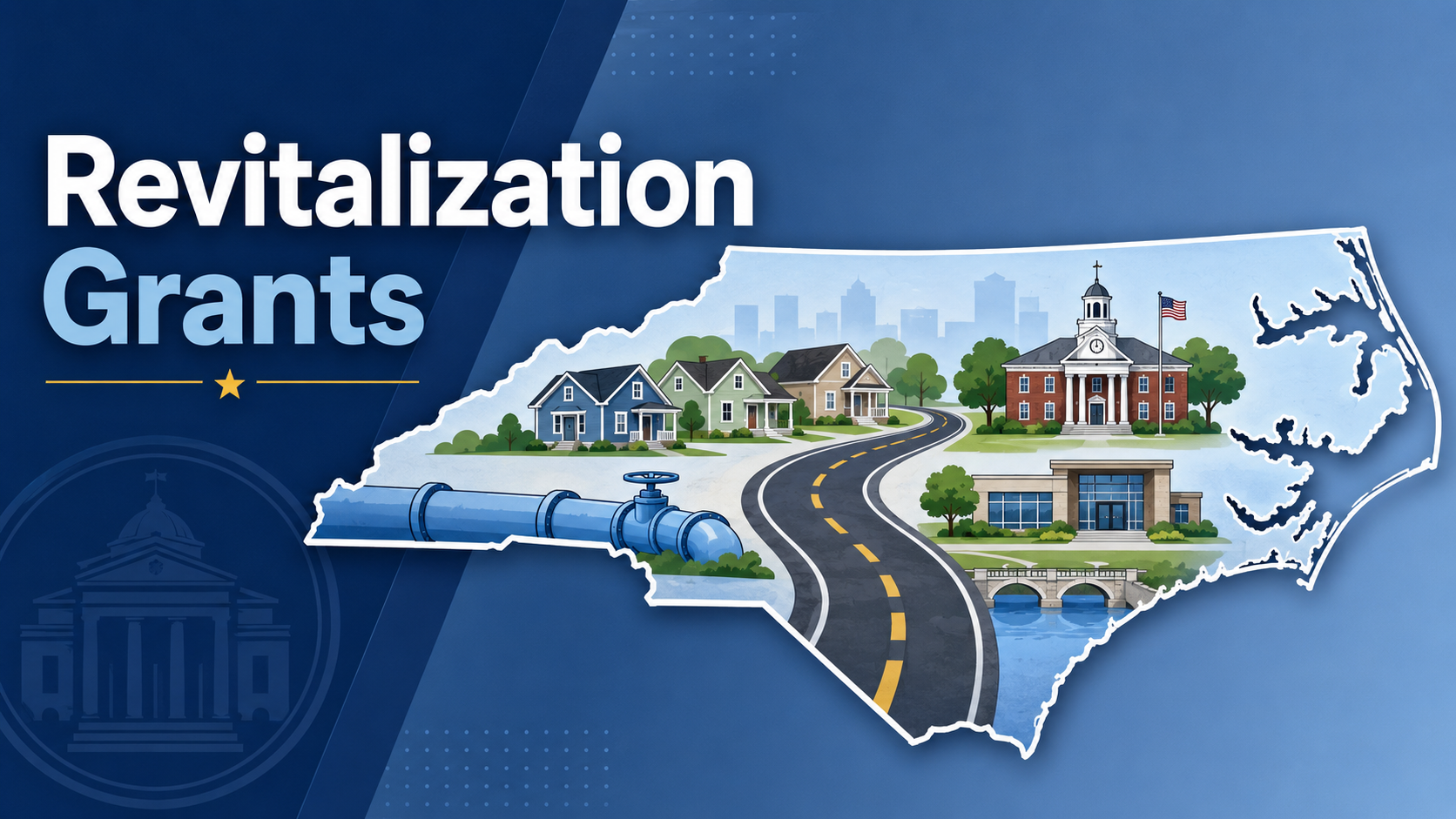
North Carolina awarded $13.7 million in neighborhood revitalization grants to 13 communities for housing, infrastructure and community improvement projects.
The North Carolina General Assembly is bustling with activity. Lawmakers are considering a dramatic increase in parental control over the education of their children, major changes in school governance and the structure of state government, pro-consumer reforms of the state’s energy policies, an acceleration of pro-growth tax cuts, huge investments in public buildings and infrastructure, tighter restrictions on abortion, and dozens of other high-profile measures.
As post-COVID shifts in work arrangements and living preferences continue to motivate many Americans to relocate, North Carolina will continue to be a popular destination. Indeed, we can attract even more professionals, families, retirees, and other folks to our state if we lean into one of our competitive advantages: housing options.
U.S. Department of Agriculture (USDA) Secretary Tom Vilsack today announced the Department is investing $446 thousand to improve equitable access to housing for people who live and work in rural areas.
As they witness rapidly escalating costs for building, buying, and maintaining homes, the vast majority of North Carolinians clearly want their leaders to do something about affordable housing.
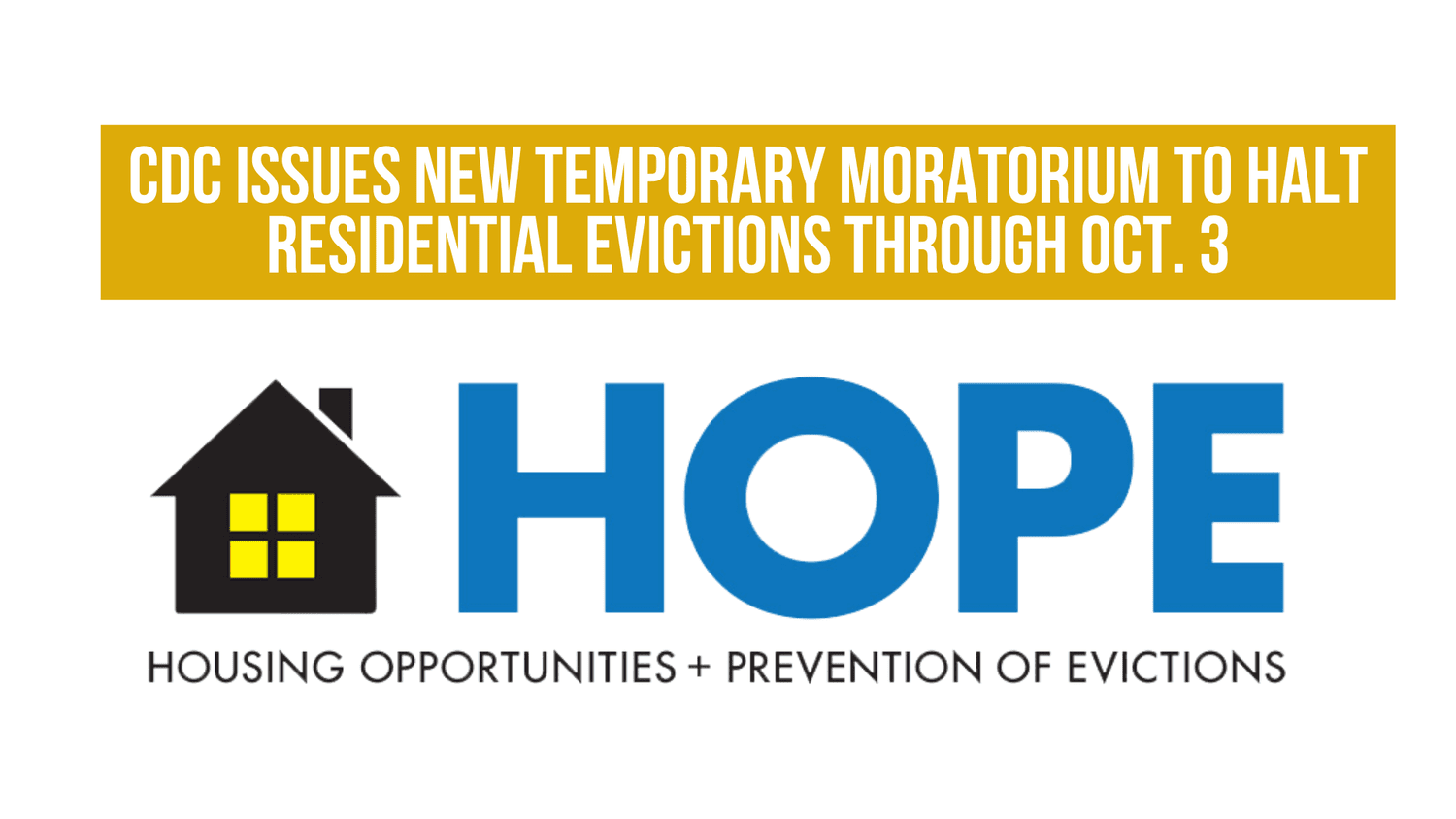
The Centers for Disease Control and Prevention (CDC) has issued a new residential eviction moratorium that will offer protection from eviction for most renters in North Carolina. The moratorium, which will remain in effect through Oct. 3, 2021, applies in U.S. counties experiencing substantial and high levels of community transmission of SARS-CoV-2, the virus that triggers COVID-19.