The North Carolina Department of Health and Human Services today announced the State of North Carolina has been awarded more than $38 million in federal funding to establish a new water assistance program for households affected by the COVID-19 pandemic.
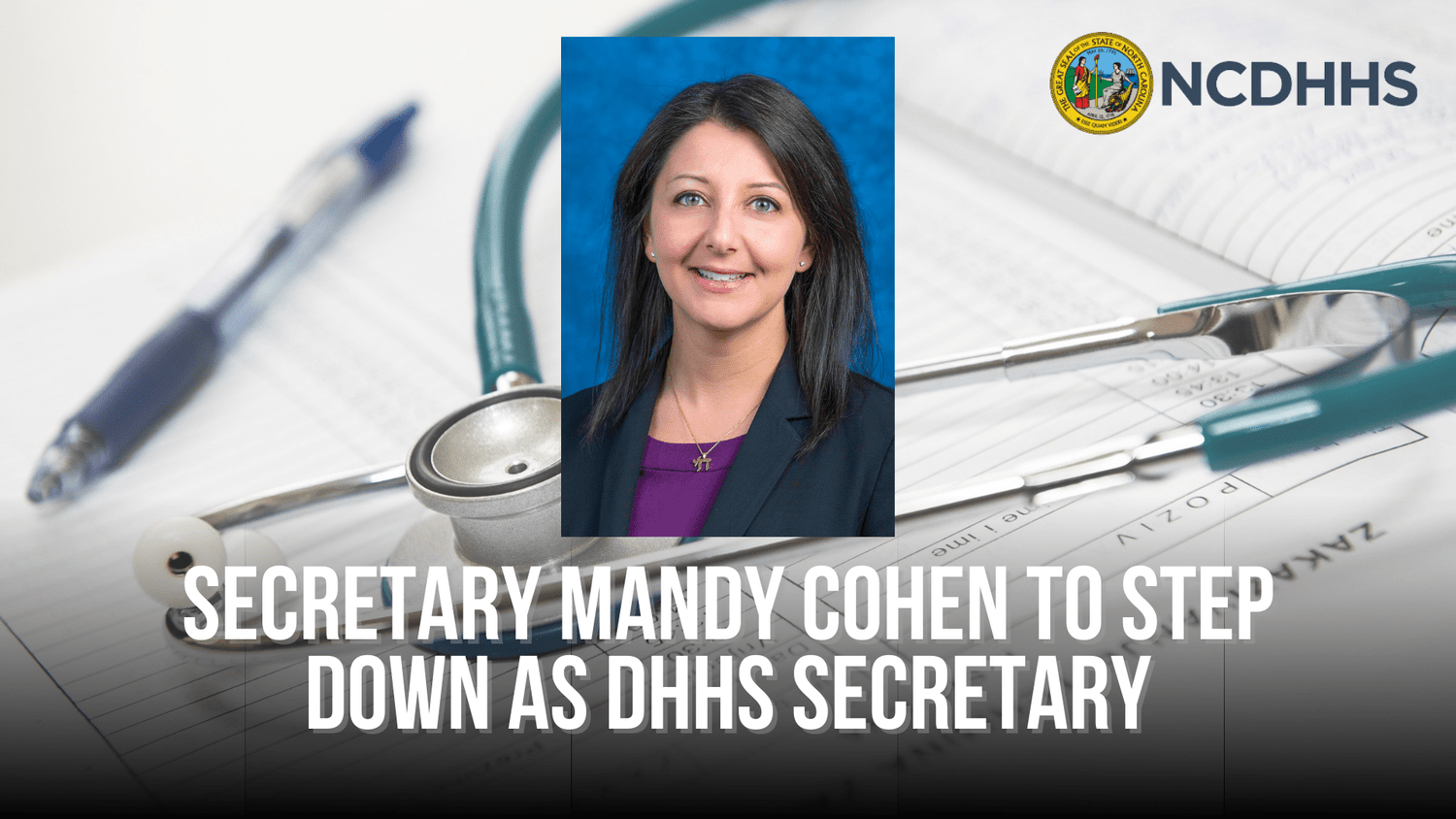
Governor Roy Cooper announced today that North Carolina Department of Health and Human Services (NCDHHS) Secretary Mandy K. Cohen, M.D. will be stepping down from the agency after 5 years of service to the state. Governor Cooper has appointed Kody Kinsley, current NCDHHS Chief Deputy Secretary for Health and lead for COVID operations, to succeed her beginning January 1st.
The Centers for Disease Control and Prevention recommends anyone 18 years or older who received the Pfizer or Moderna COVID-19 vaccine get a booster six months after their second dose to help strengthen and extend protections against COVID-19. This comes after the Food and Drug Administration authorized the boosters for such use today.
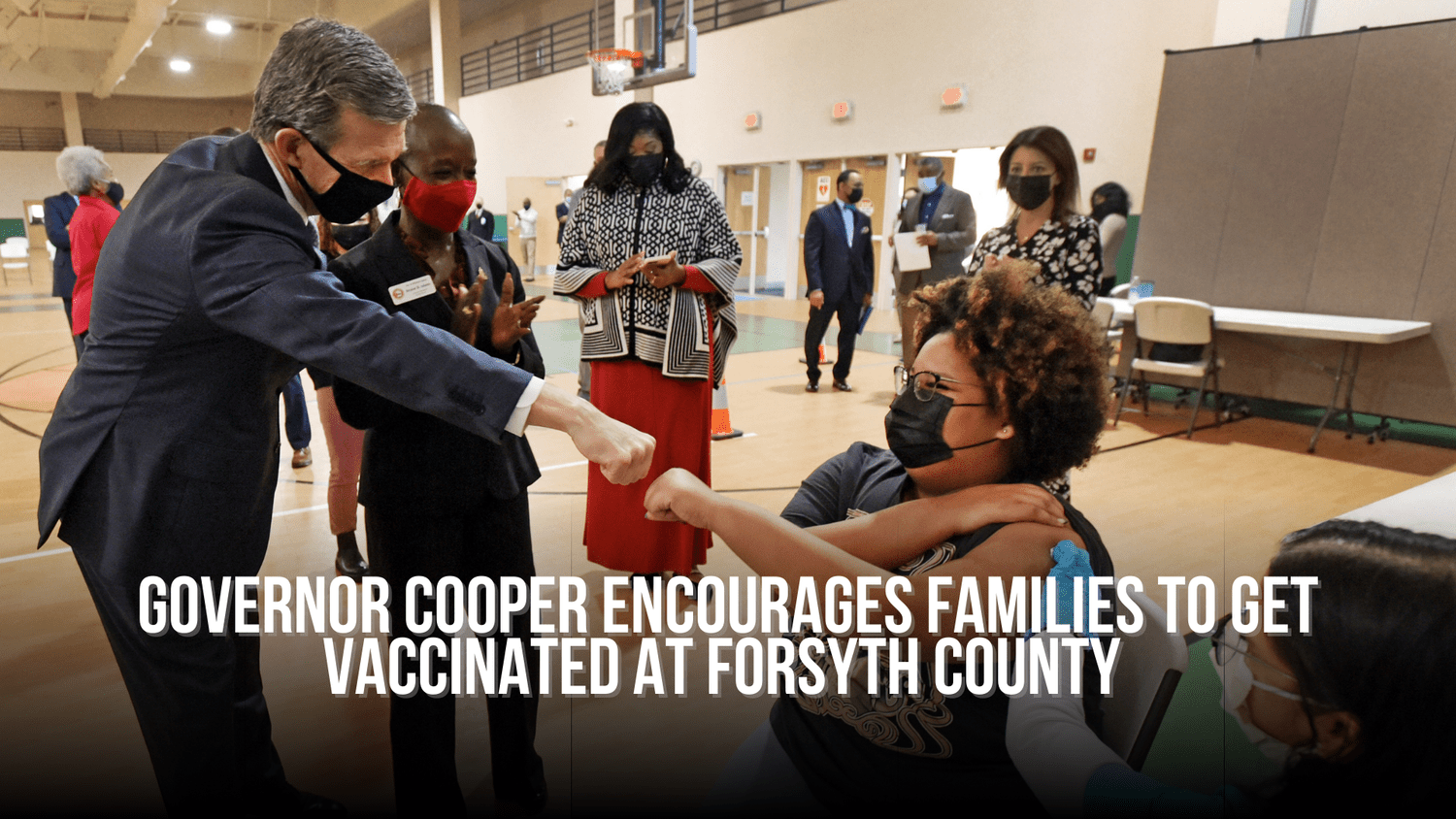
Governor Roy Cooper and North Carolina Department of Health and Human Services (NCDHHS) Secretary Mandy K. Cohen, M.D. visited and toured the family vaccination site at St. Peter's Church & World Outreach Center in Forsyth County. The family vaccination site, in partnership with the North Carolina Department of Health and Human Services (NCDHHS), offers vaccines for children ages 5 and up and adults.
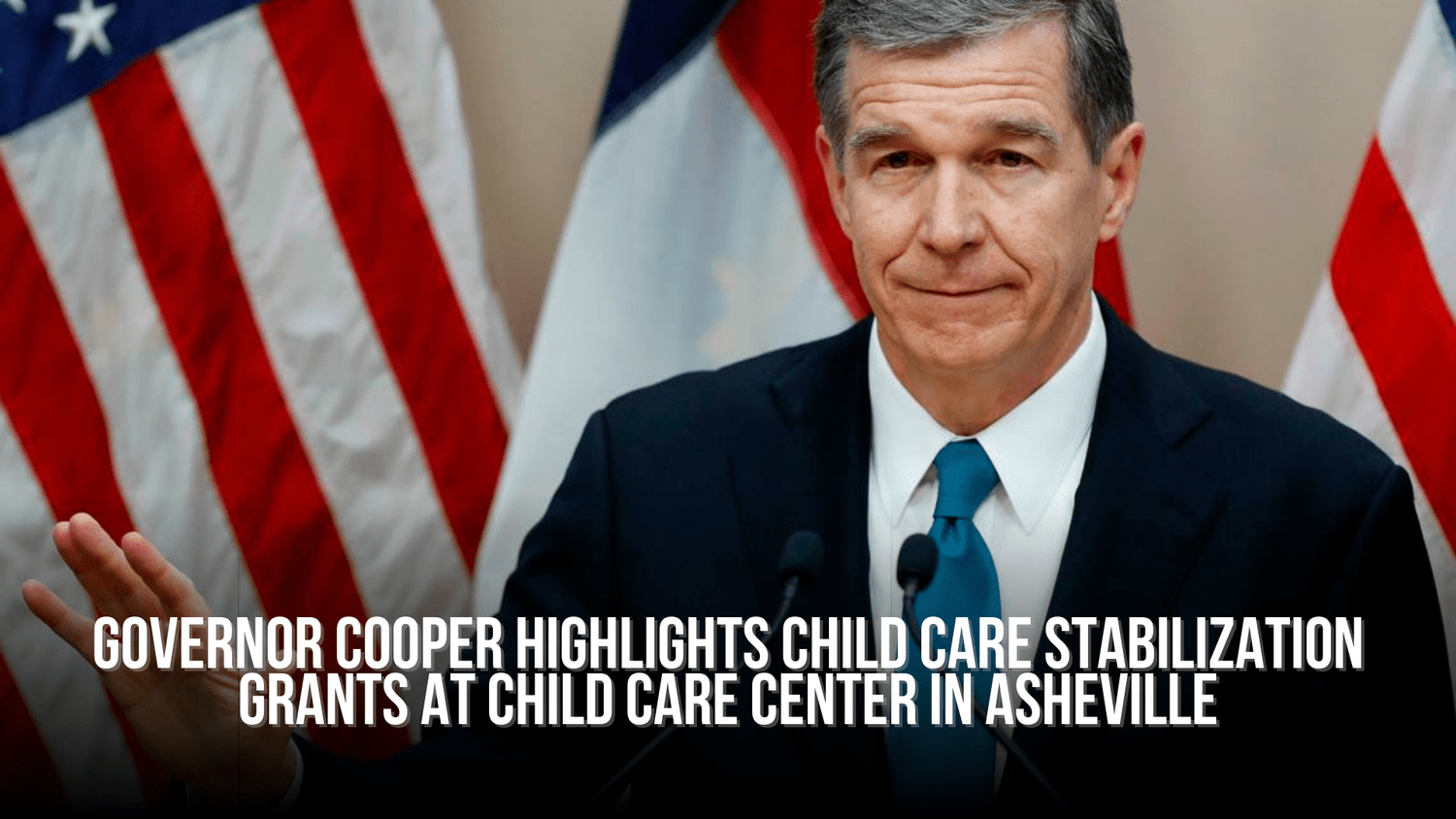
Governor Roy Cooper visited and toured the Irene Wortham Early Learning Center in Asheville and continued to encourage providers to apply for the NC Child Care Stabilization Grants. The historic $805 million investment will support families with access to high-quality, affordable child care and help early care and learning programs with recruitment and retention.
The North Carolina Department of Health and Human Services released the North Carolina Violent Death Reporting System (NC-VDRS) Data Dashboard, an interactive online dashboard that provides aggregate information on violent deaths for all 100 counties in North Carolina. The NC-VDRS dashboard, funded by the Centers for Disease Control and Prevention, was created to make data more accessible to public health partners to inform the development, implementation and evaluation of prevention efforts around violence and safety.
The North Carolina Department of Health and Human Services joined approximately 40 cross-sector health care organizations committing to using and sharing high-level data about race, ethnicity, language and gender to inform best practices to promote health equity.
The $25 Summer Card pilot program operated by North Carolina Department of Health and Human Services (NCDHHS) was successful in encouraging COVID-19 vaccination, according to a published research letter by authors from NCDHHS, the Advanced Center for COVID-19 Related Disparities (ACCORD) at the Julius L. Chambers Biomedical Biotechnology Research Institute at North Carolina Central University (NCCU), and the Departments of Biostatistics and of Health Behavior at the Gillings School of Global Public Health at the University of North Carolina at Chapel Hill (UNC-Chapel Hill).
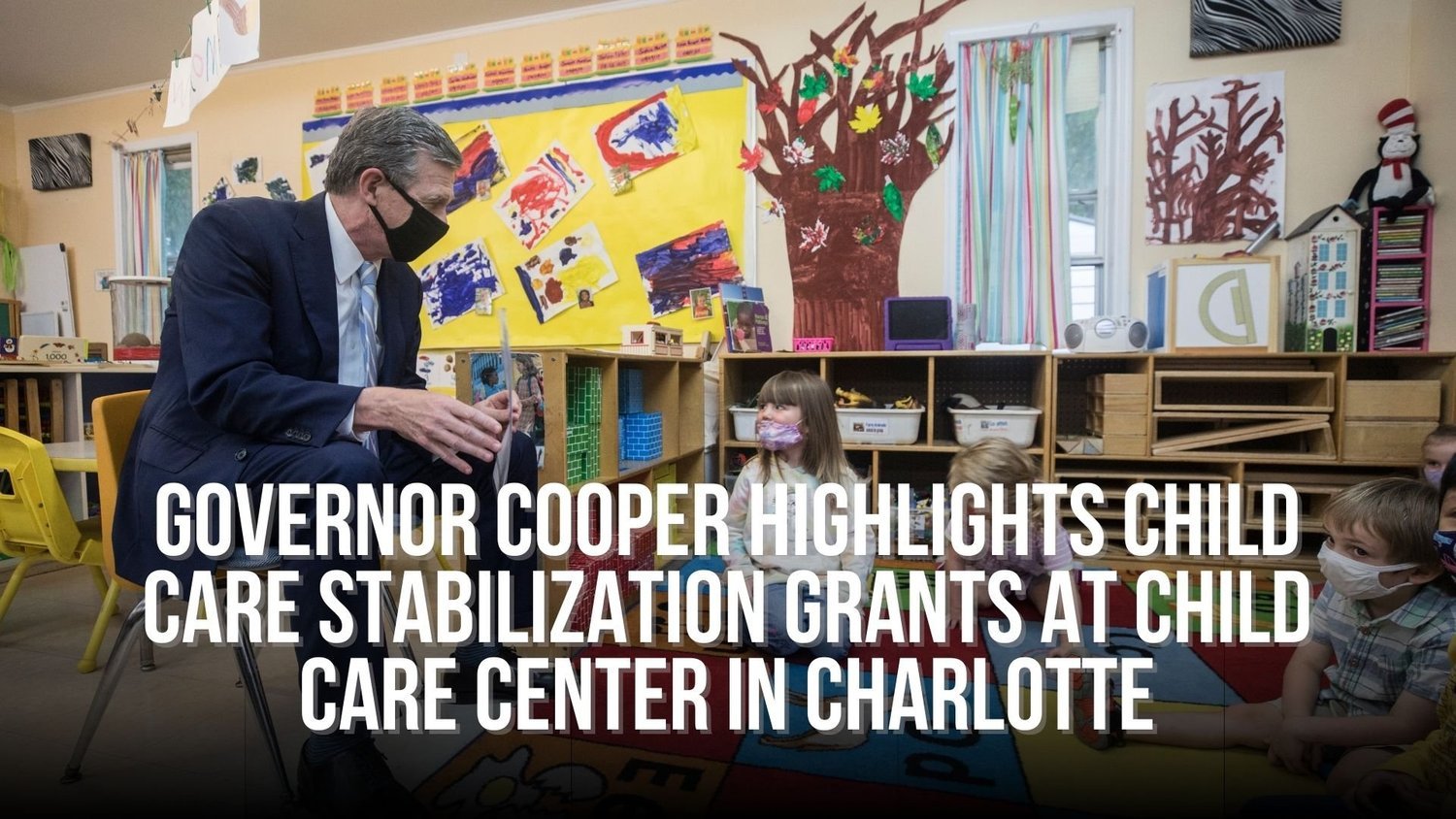
Today, Governor Roy Cooper and North Carolina Department of Health and Human Services Secretary Mandy K. Cohen, M.D. visited and toured LeafSpring School in Charlotte to meet educators and students following the recent announcement of a historic $805 million investment in North Carolina’s early care and learning care programs.
As COVID-19 cases surged this summer fueled by the Delta variant, hospitalizations and deaths among residents in North Carolina long-term care facilities were significantly lower than during the winter surge, as shown in data from the North Carolina Department of Health and Human Services.
The North Carolina Department of Health and Human Services today released a funding opportunity that will award a total of $5.8 million to at least nine organizations statewide to increase access to high-quality opioid use disorder treatment for people in the criminal justice system.
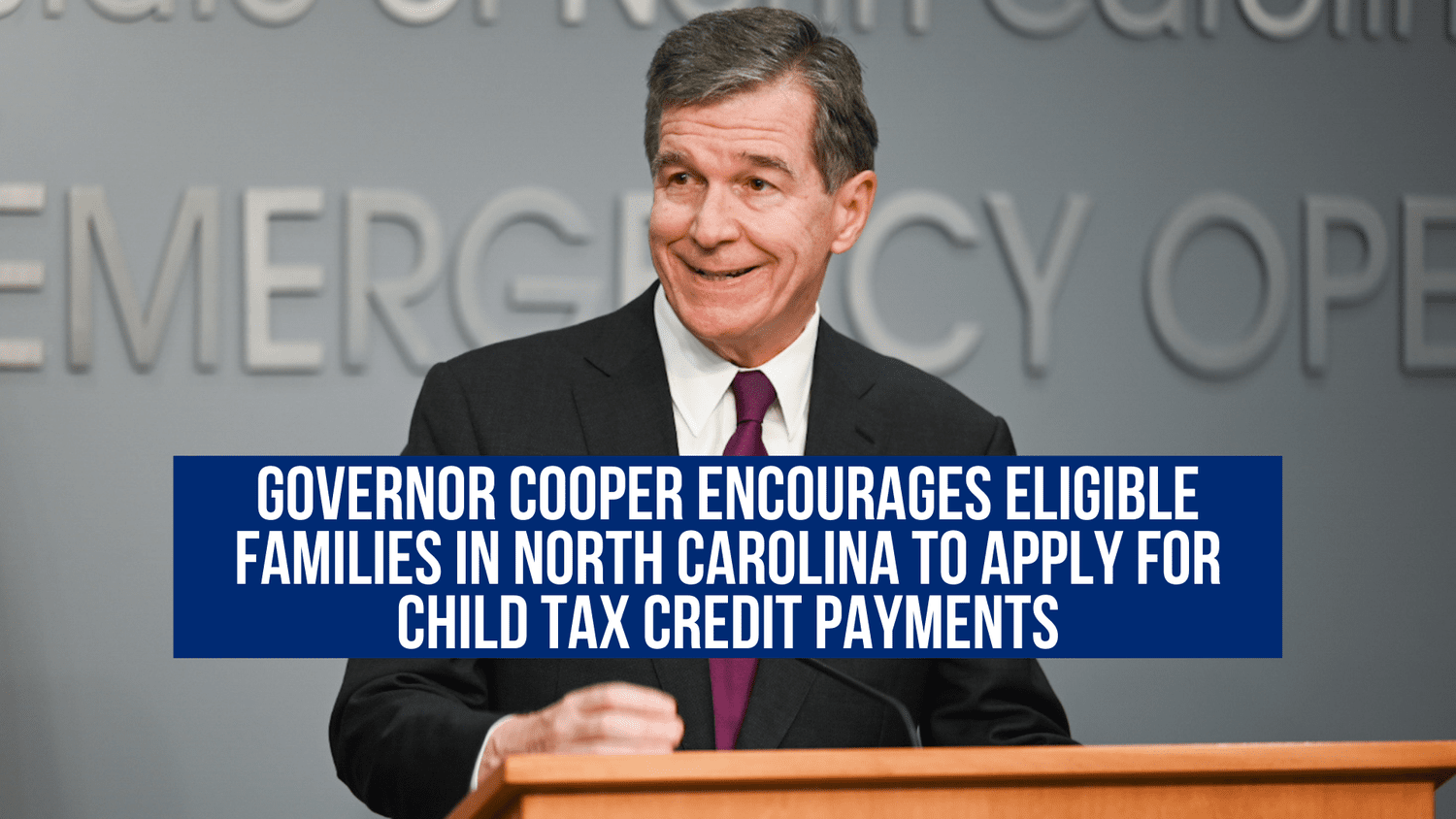
This month many families across North Carolina are receiving an installment of the advance Child Tax Credit federal payment, which provides them with up to half of their total credit and bolsters their income to meet immediate needs for children’s health and well-being. These dollars can immediately improve the food and financial security of families with children at a critical time as they work to recover from the pandemic.