Just about everyone has an opinion about how to improve education, and it’s usually an opinion passionately held and forcefully argued. It’s not hard to see why. After all, schools are the single-largest expenditure of state taxpayers’ funds. Educational mediocrity is the common denominator of many other social maladies. Most folks have spouses, siblings, parents, or other family members in the teaching profession. And everyone has been a student.
When demand exceeds supply, prices rise. While the problem of housing affordability has many facets and effects, that inescapable fact explains a lot about why so many North Carolinians struggle to afford the homes they’d like to buy or rent.
Benjamin Franklin gave us many great words of wisdom. One of his best lines is that we should “do well by doing good.” While this ideal may have worked in the politics and government of early American history in the 1700’s, we don’t see much of that sentiment in today’s public policy. People of all political stripes (right, middle, left and those not involved at all) are tired of the fighting and looking to support policies that exemplify the words of Mr. Franklin.
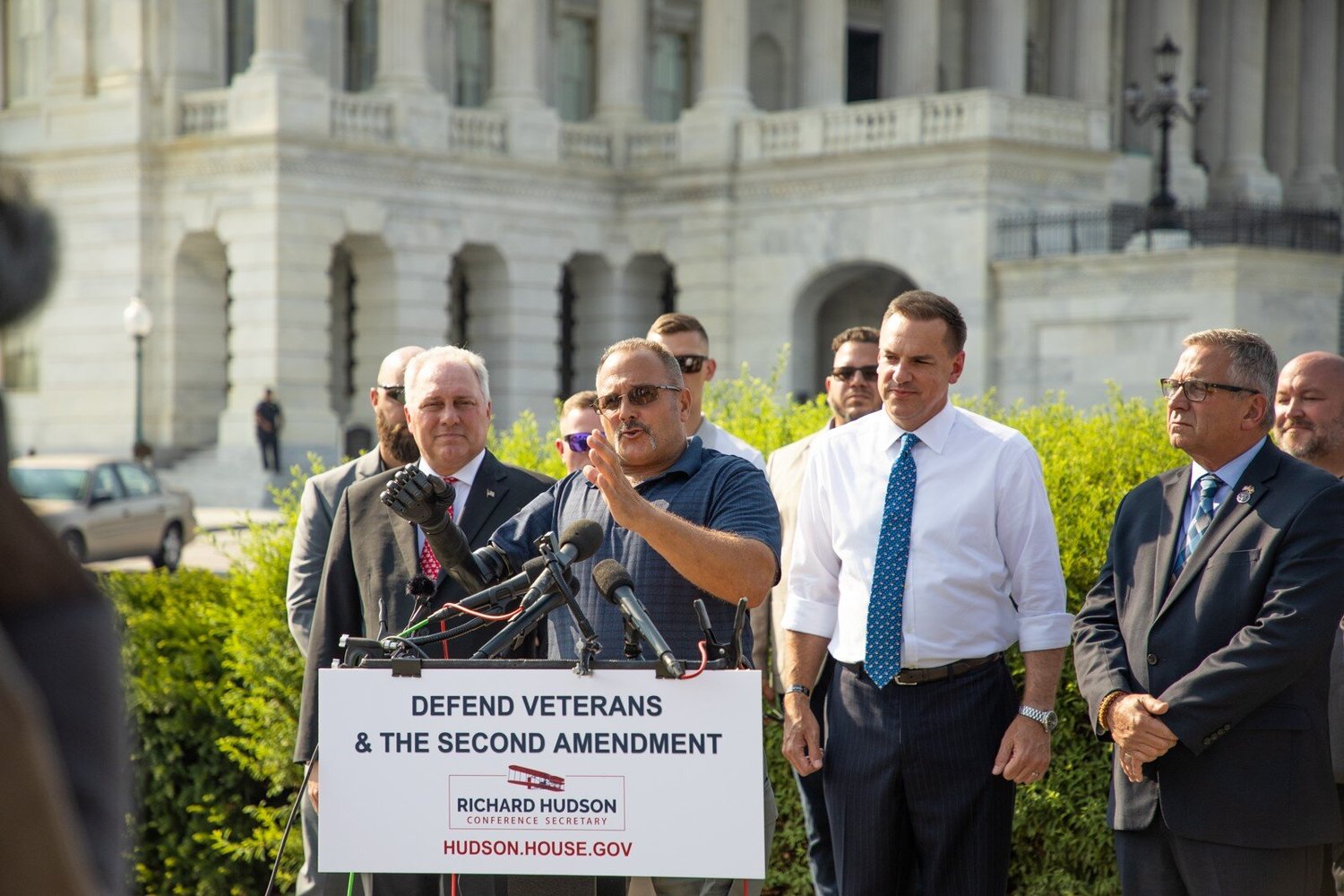
U.S. Rep. Richard Hudson took aim this week at a proposed federal regulation that targets pistol stabilizing braces. Hudson led a Capitol Hill news conference Tuesday drawing attention to the issue.
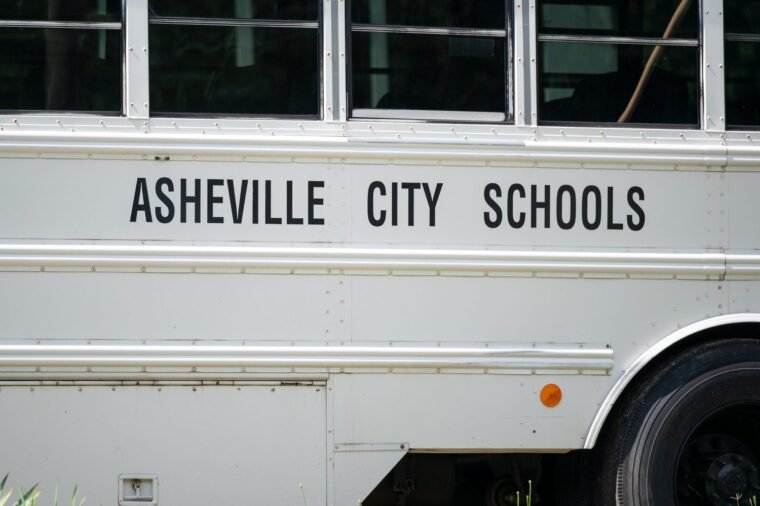
Public school districts in North Carolina have received about $5.3 billion in COVID-related relief from the federal government. But, on average, school leaders have spent just 13% of that money.
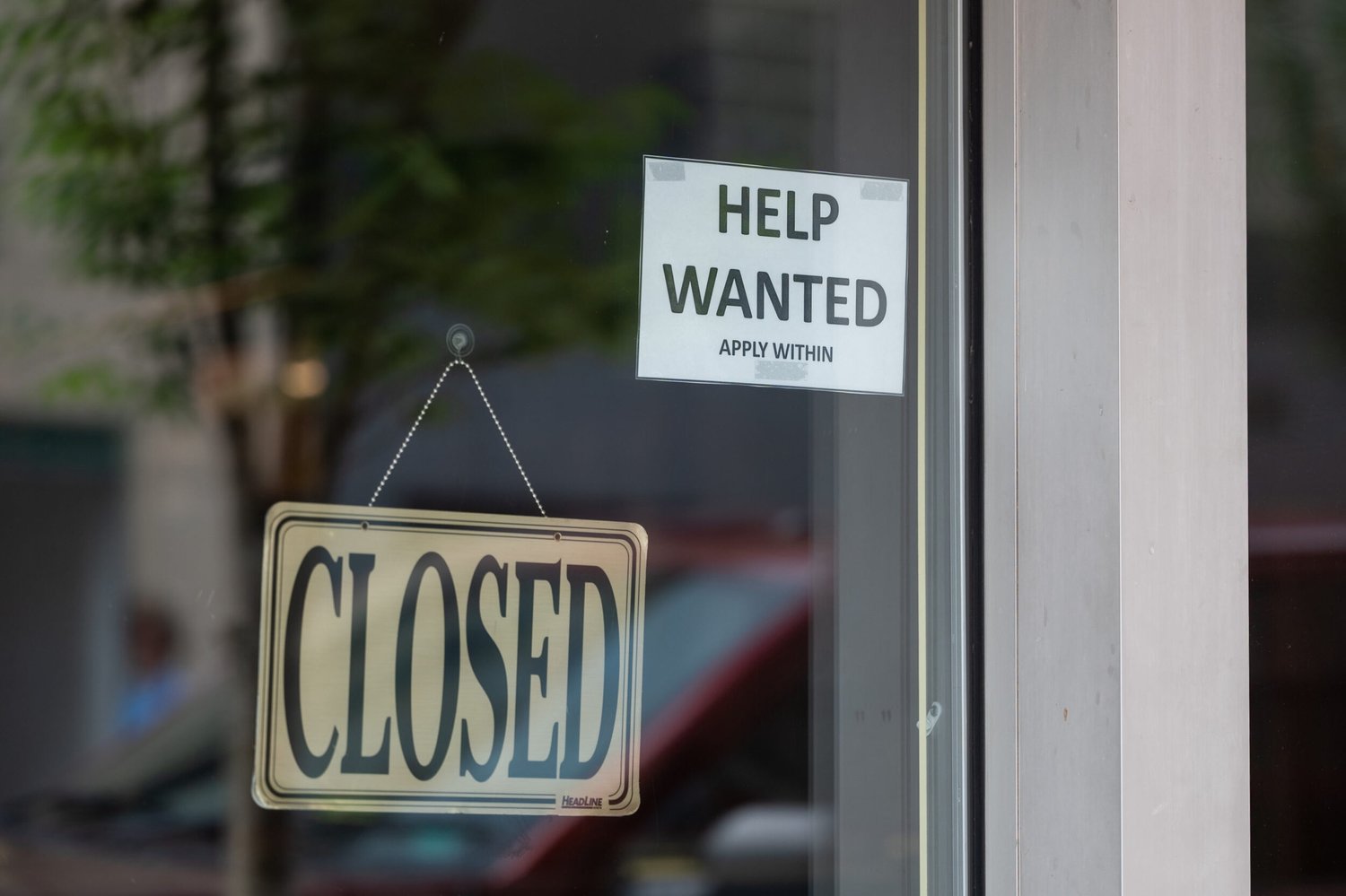
Nearly 2 million Americans have turned down jobs because the unemployment benefits are too lucrative — backing up a Republican-led plan in North Carolina to curtail emergency pandemic benefits.
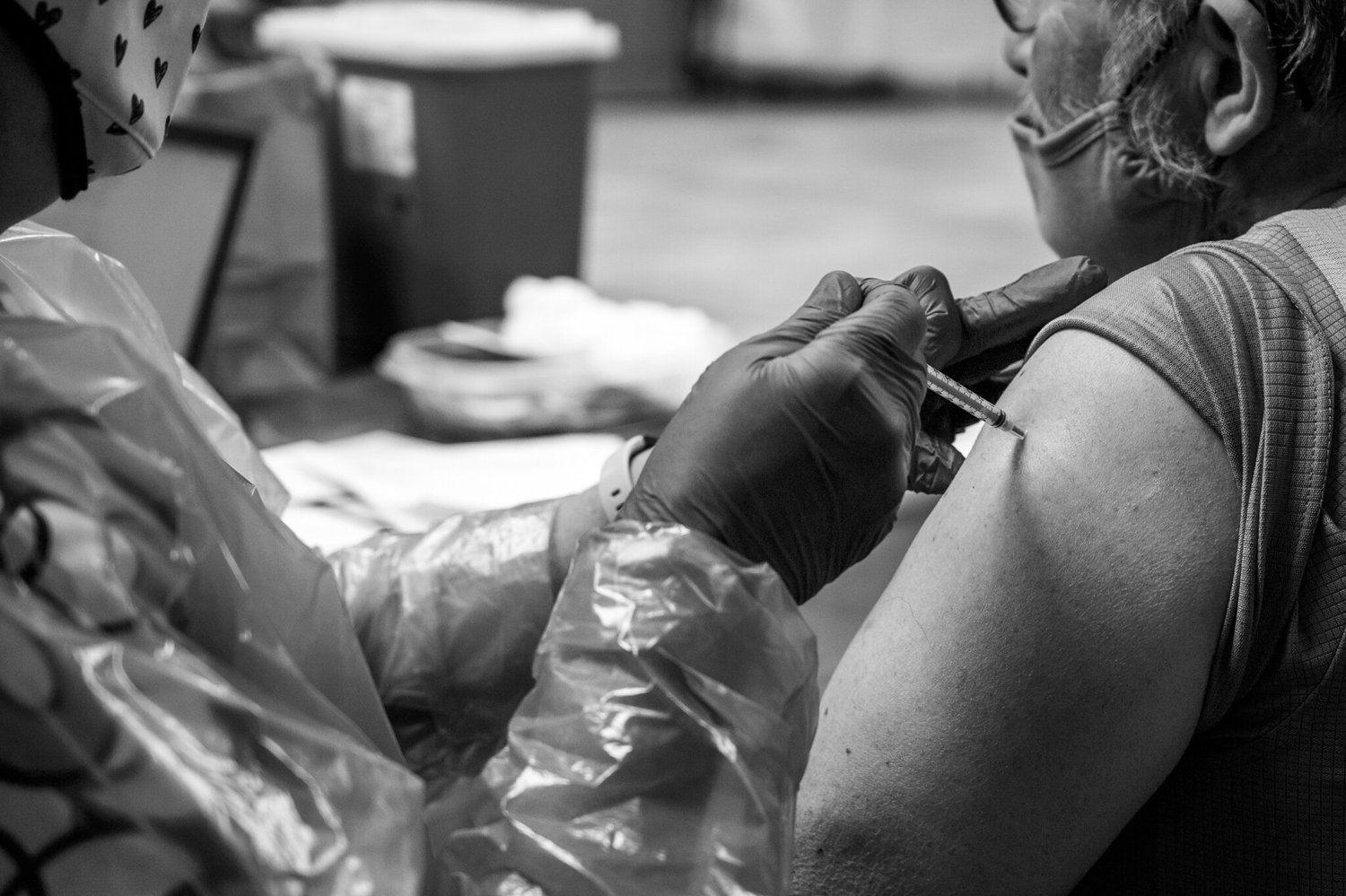
The voices of those urging government officials to rely on individual liberty and personality responsibility as the founding principles relate to getting the COVID vaccine are getting louder.
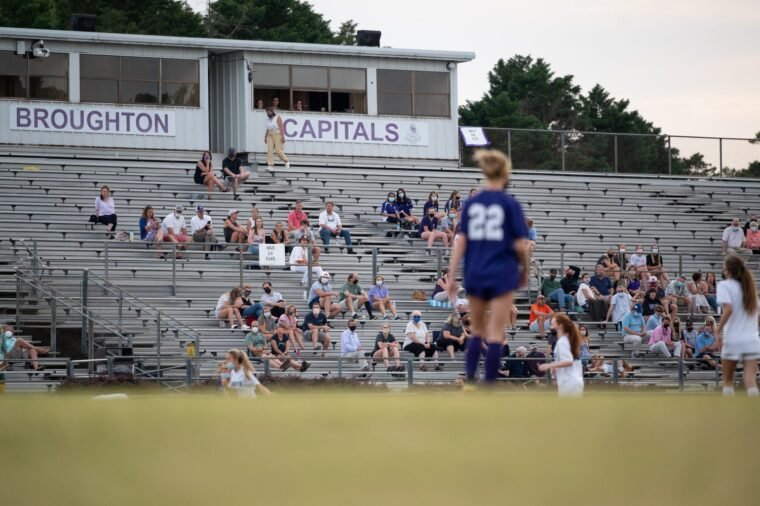
Leaders and supports of the N.C. High School Athletic Association gave a passionate defense of the organization Tuesday night in the wake of proposed legislation that would remove the organization from oversight and management of high school sports in North Carolina.
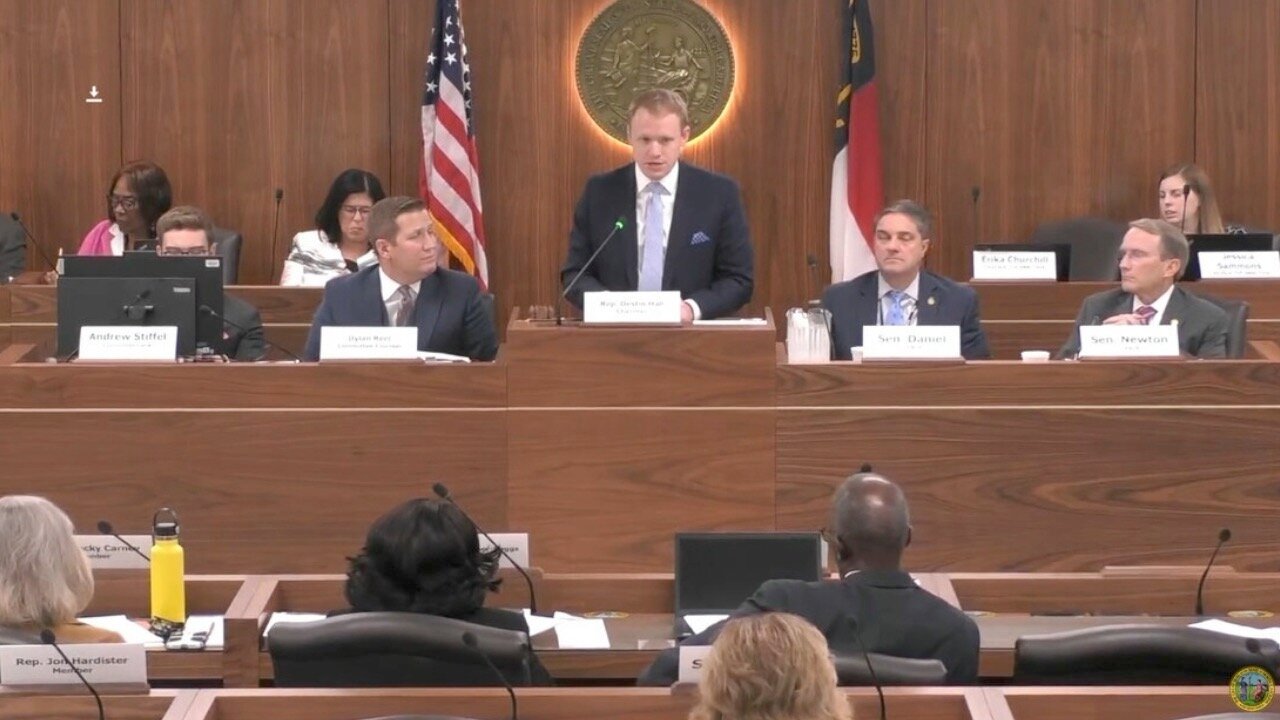
On Tuesday, the N.C. Senate Education Committee presented a bill that would effectively end the High School Athletic Association's role in supervising high school athletics, a role the organization has held since 1913.
For years, North Carolina conservatives and progressives argued incessantly about the effects of the state’s rightward turn. Conservatives said lower taxes and less regulation tend to boost entrepreneurship, job creation, and economic growth. Rejecting that position, progressives argued that spending more money on education and other public programs and making greater use of health, safety, and labor regulations would have net-positive results for the economy.