Resist the temptation to coerce
The problem with freedom is that other people may do things that trouble, annoy, or even anger you. In a free society, you have no authority to stop them.

The problem with freedom is that other people may do things that trouble, annoy, or even anger you. In a free society, you have no authority to stop them.
The N.C. Senate passed a bill along party lines on Tuesday, April 27, that would require the state attorney general’s office to get sign-off from the legislature before reaching a settlement on a lawsuit in which the General Assembly is a party.
North Carolina’s governor would face a new 10-day limit on unchecked use of emergency powers, under a bill approved Tuesday on a party-line vote in the state Senate.
If Californians want to make their government the monopoly payer of all medical bills, why should North Carolinians be able to tell them they can’t?
Is it the job of government to make you happy? While it may seem like a straightforward question, there are some important subtleties packed into those few words.
Gov. Roy Cooper on Friday, April 9, signed two bills into law designed to help students who lost more than a year of in-person learning because of the pandemic and subsequent lockdowns.
A new bill supported by influential N.C. senators would protect the confidentiality of donors to nonprofit organizations and charities.
It’s hard not to play along when children come up with cute untruths. Unfortunately, many politicians have yet to grow out of the toddler phase when it comes to spotting and discarding spurious correlations. The most naïve and destructive examples stem from misusing the concept of the multiplier effect.
A four-year federal investigation into voter fraud in North Carolina during the 2016 election has ended, netting 70 total charges, including 40 charges of individuals voting illegally. Others were charged with falsely claiming U.S. citizenship to register to vote.
Every argument has three parts: definitions, premises, and logical reasoning. When conservatives and progressives disagree about a specific issue, each side often leaps to the conclusion that the other side is being illogical (or dishonest, or stupid).
North Carolina governments shouldn’t be in the liquor business. Two recent stories illustrate this story well.
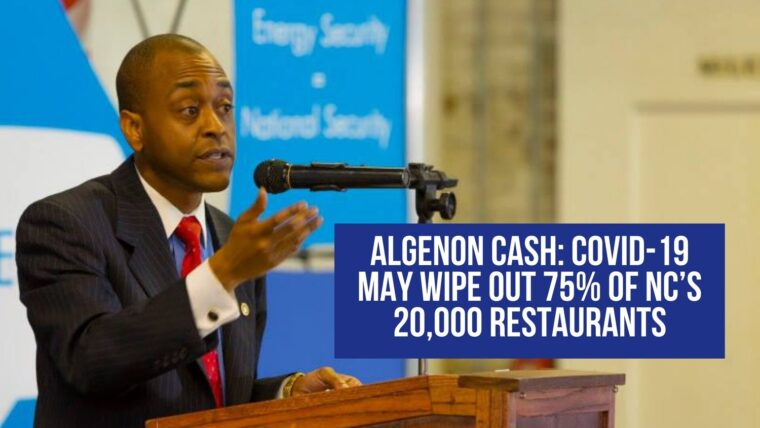
Small independently owned restaurants are facing an extinction-level event as we move deeper into colder months and the coronavirus spread reaches all-time highs. Without immediate financial aid, over 75% of the state’s 19,504 eating and drinking locations are in danger of closing permanently.Since the COVID-19 pandemic began in March, 17% of restaurants throughout the country (or about 110,000 establishments) have closed either permanently or long-term and 10,000 restaurants have closed over the last three months alone. As for the 10,000 restaurants that have closed over the past three months, the majority had been well-established in the industry for years, and on average, had been in business for 16 years.