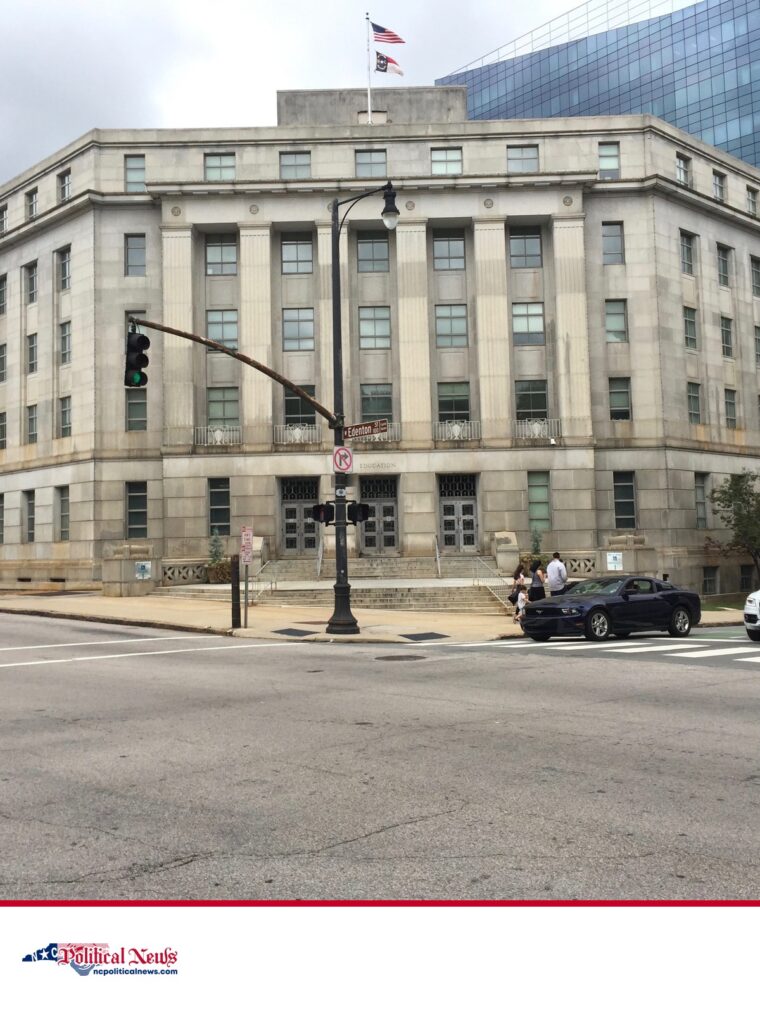
RALEIGH - Gov. Josh Stein and Superintendent of Public Instruction Maurice “Mo” Green urged the Federal Communications Commission to preserve E-Rate discounts for schools and libraries as the agency considers changes to the federal connectivity program.
More than 105,000 North Carolina public school seniors will receive at least one direct college admission offer under an expansion of NC College Connect.
Gov. Josh Stein highlighted an 8% average teacher-pay increase, a 17% starting-pay increase and new educator-recruitment programs included in North Carolina’s budget.
North Carolina is growing—with over 600,000 new North Carolinians moving to the Tar Heel State over the past five years. And as is almost always the case, driving that population increase is economic expansion. North Carolina is a top state for manufacturing and business, and many companies are looking to come to or expand in North Carolina, bringing with them tens of thousands of high paying jobs and further cementing the state’s status as an economic powerhouse in the South.
In rural communities, like the many we have here in North Carolina, local public schools are often community hubs, serving as places of learning as well as connection and growth. Likewise, local businesses are often important pieces of what makes a rural community what it is, making relationships between the two not just beneficial, but essential.
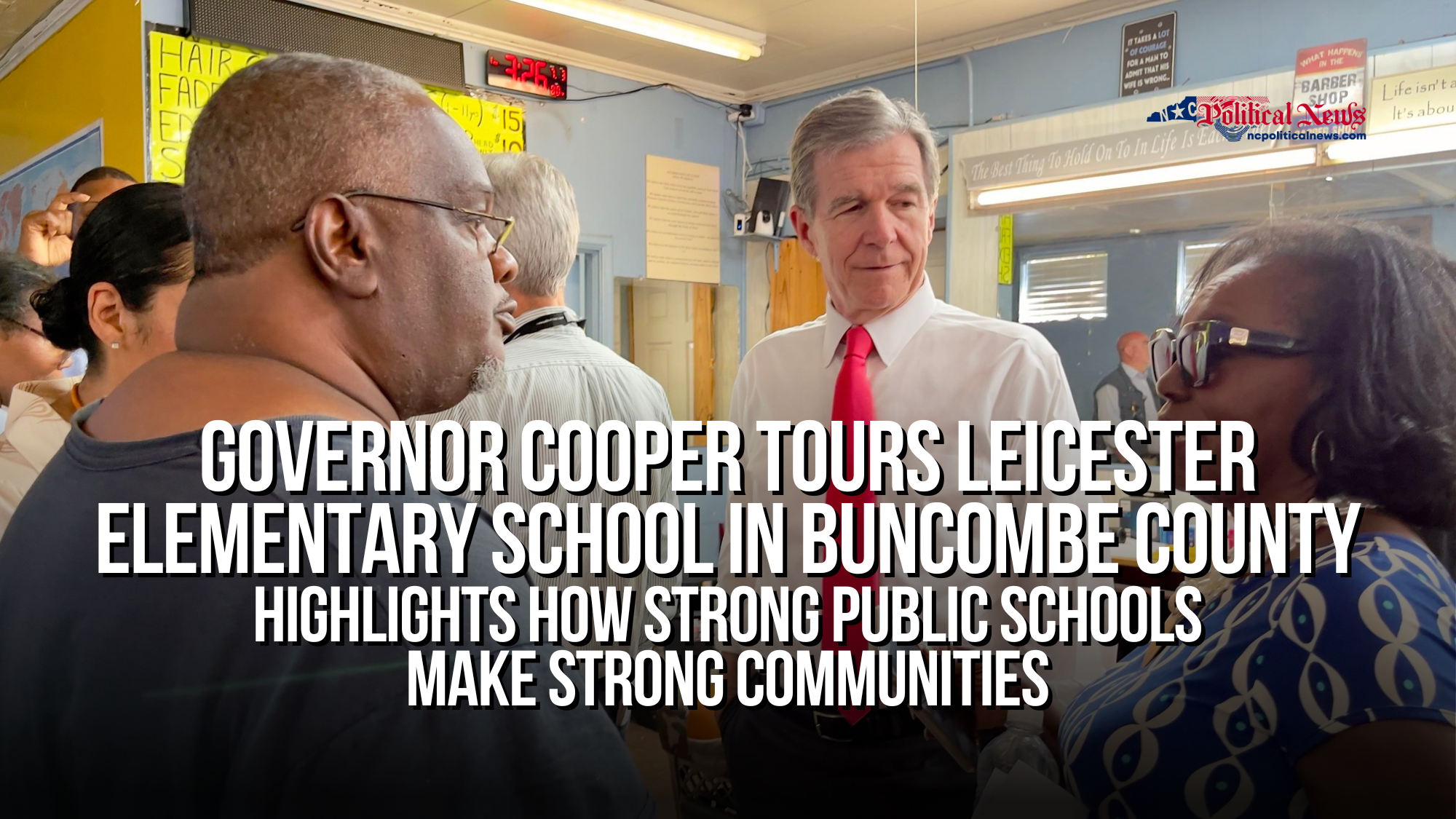
RALEIGH: On Tuesday, Governor Roy Cooper visited Leicester Elementary School in Buncombe County as part of the “Year of Public Schools” education tour and delivered supplies collected from the Governor’s School Supply Drive. The Governor was joined by teachers, students, local and state education leaders and local elected officials as he highlighted the outstanding work taking place in North Carolina’s public schools and how public education is strengthening North Carolina’s communities.
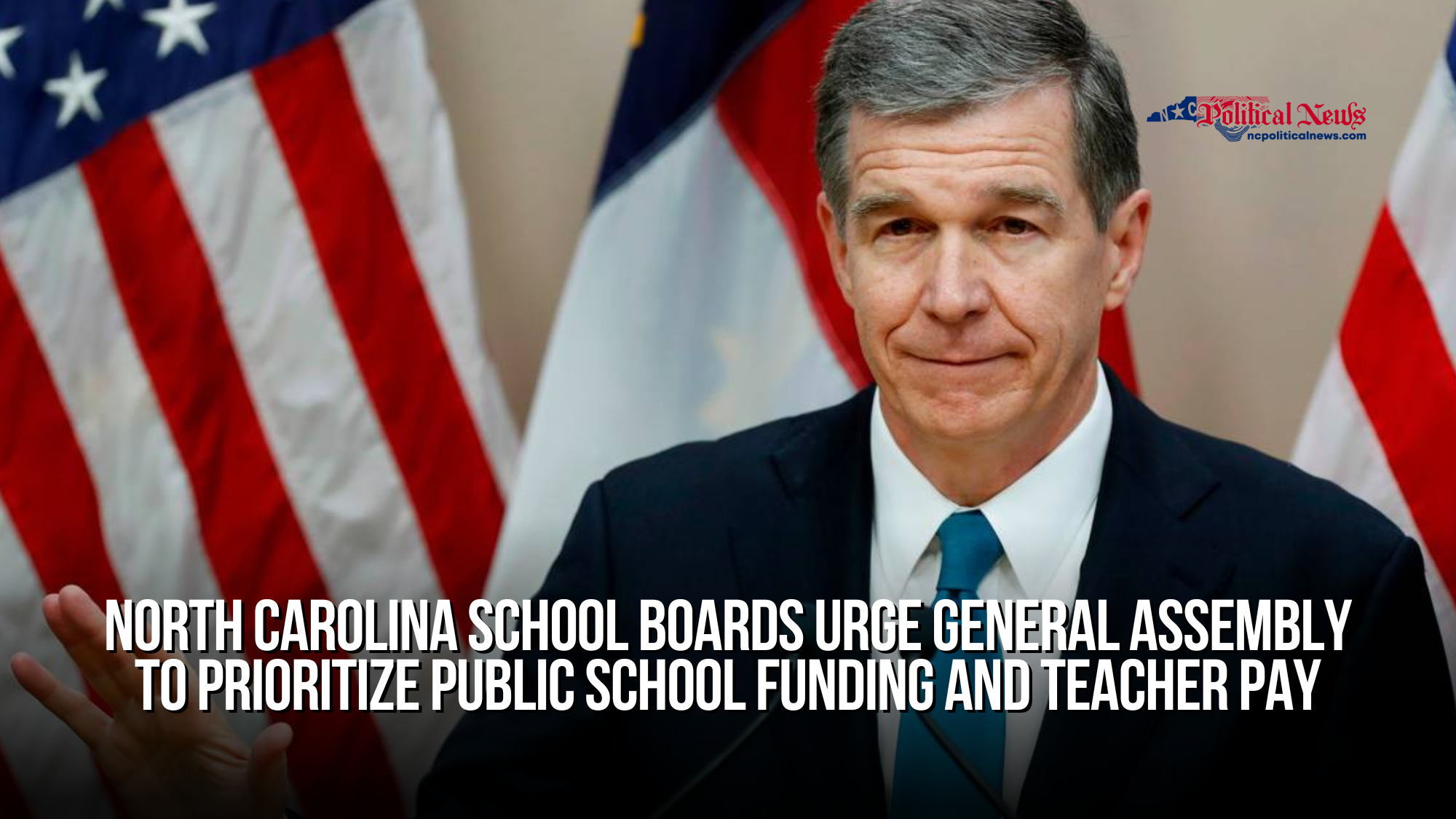
RALEIGH: As Governor Cooper continues the “Year of Public Schools,” school boards from at least 10 school districts are calling on the General Assembly to make meaningful investments in teacher pay and fully fund our public schools instead of further expanding the state’s dangerous taxpayer-funded private school voucher scheme.
North Carolina’s traditional public schools are represented by 115 county and city school districts. For almost 100 years since the Great Depression and the Machinery Acts of 1931 and 1933, the State of North Carolina has provided the preponderance of financial support for most of the public school employees in these school districts.
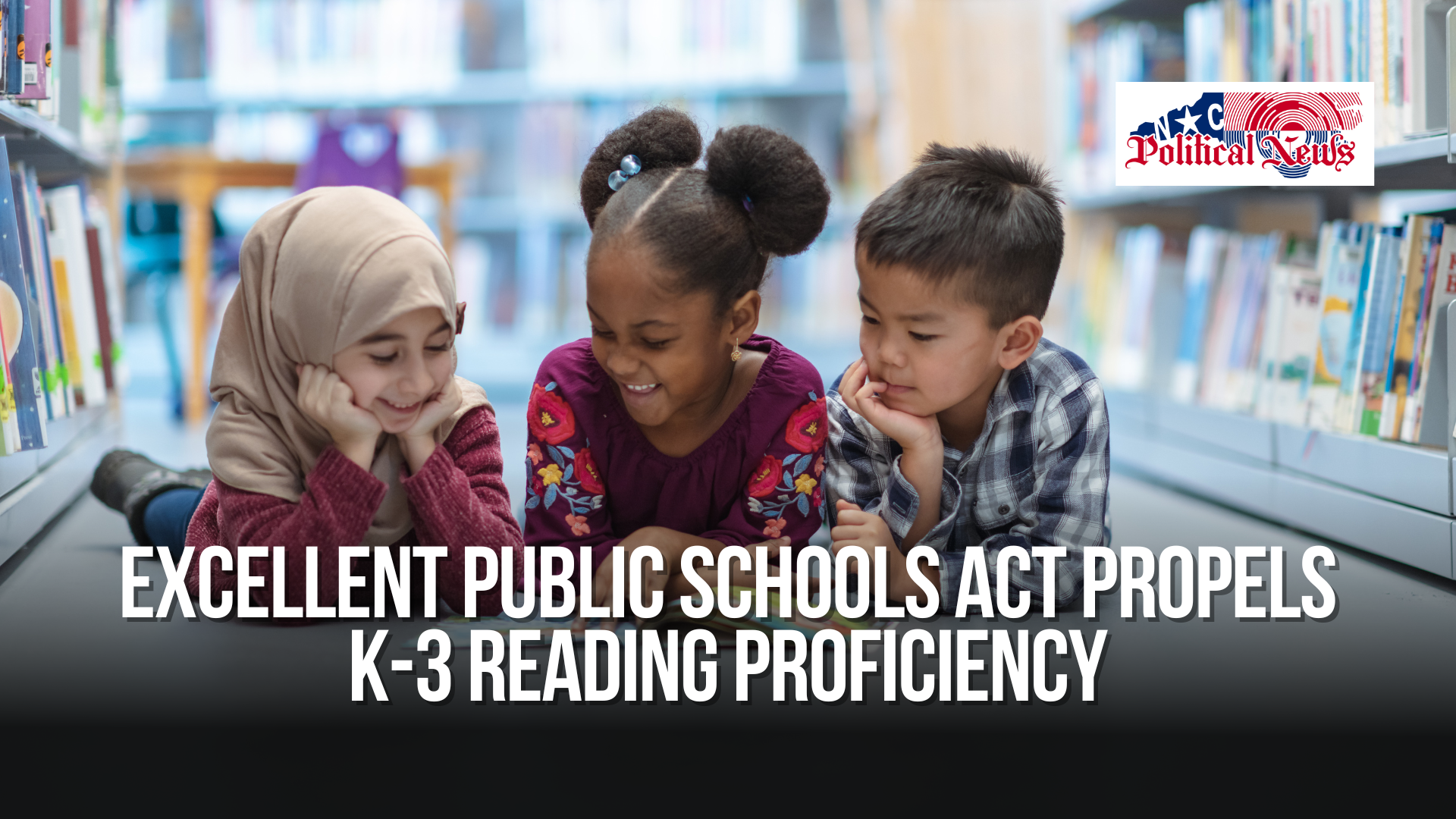
North Carolina’s youngest students are continuing to improve on reading benchmarks due to literacy reforms included in the Excellent Public Schools Act of 2021.