Ushered in, not by law, but by lawsuit settlement, North Carolina’s COVID-related changes to voting rules in 2020 are viewed as either a fix or a failure. Republican state senators are of the latter opinion, as evidenced by their inclusion of language prohibiting such “collusive settlements” by the attorney general in Senate Bill 105, slated for a final vote on the Senate floor Friday morning.
It would be hard for North Carolina to end up closer to the average in a new ranking of the most patriotic states. WalletHub.com ranks the Tar Heel State No. 25. The new rankings arrive a couple of weeks before Independence Day.
Lt. Gov. Mark Robinson and the Senate’s top officer are calling out Charlotte-Mecklenburg school leaders, after the state’s second-largest school system paid $25,000 to a top proponent of Critical Race Theory.
To help Medicaid beneficiaries get the accurate information they need to make an informed decision about getting the COVID-19 vaccine, the North Carolina Department of Health and Human Services will reimburse Medicaid providers for providing counseling on the benefits of COVID-19 vaccination.
Although the politicians in Washington almost never talk about the issue anymore, our entitlement programs are on a collision course with fiscal reality.
Twenty-five years ago this week the Tar Heel State legalized the creation of public charter schools. School choice advocates came together in Raleigh on Tuesday, June 22, to celebrate the milestone and highlight the impact of charter schools on families and students during the last quarter-century.
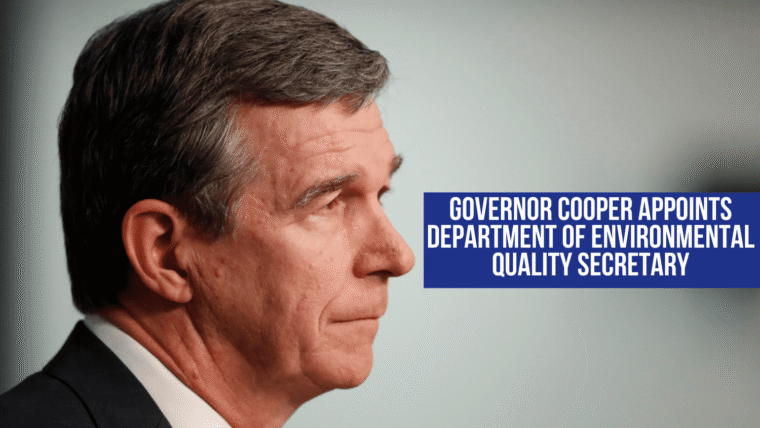
N.C. Gov. Roy Cooper was in Charlotte Monday to welcome the Centene Corporation, a provider of managed care services for Medicaid, public, and private health plans. It claims to be the largest provider of Medicaid services in the nation. The company announced last year that it selected Charlotte for its East Coast regional headquarters after North Carolina offered $338 million in tax incentives through a “transformative” Job Development and Investment Grant.
The state’s seasonally adjusted May unemployment rate was 4.8 percent, decreasing 0.2 of a percentage point from April’s revised rate. The national rate decreased 0.3 of a percentage point to 5.8 percent.
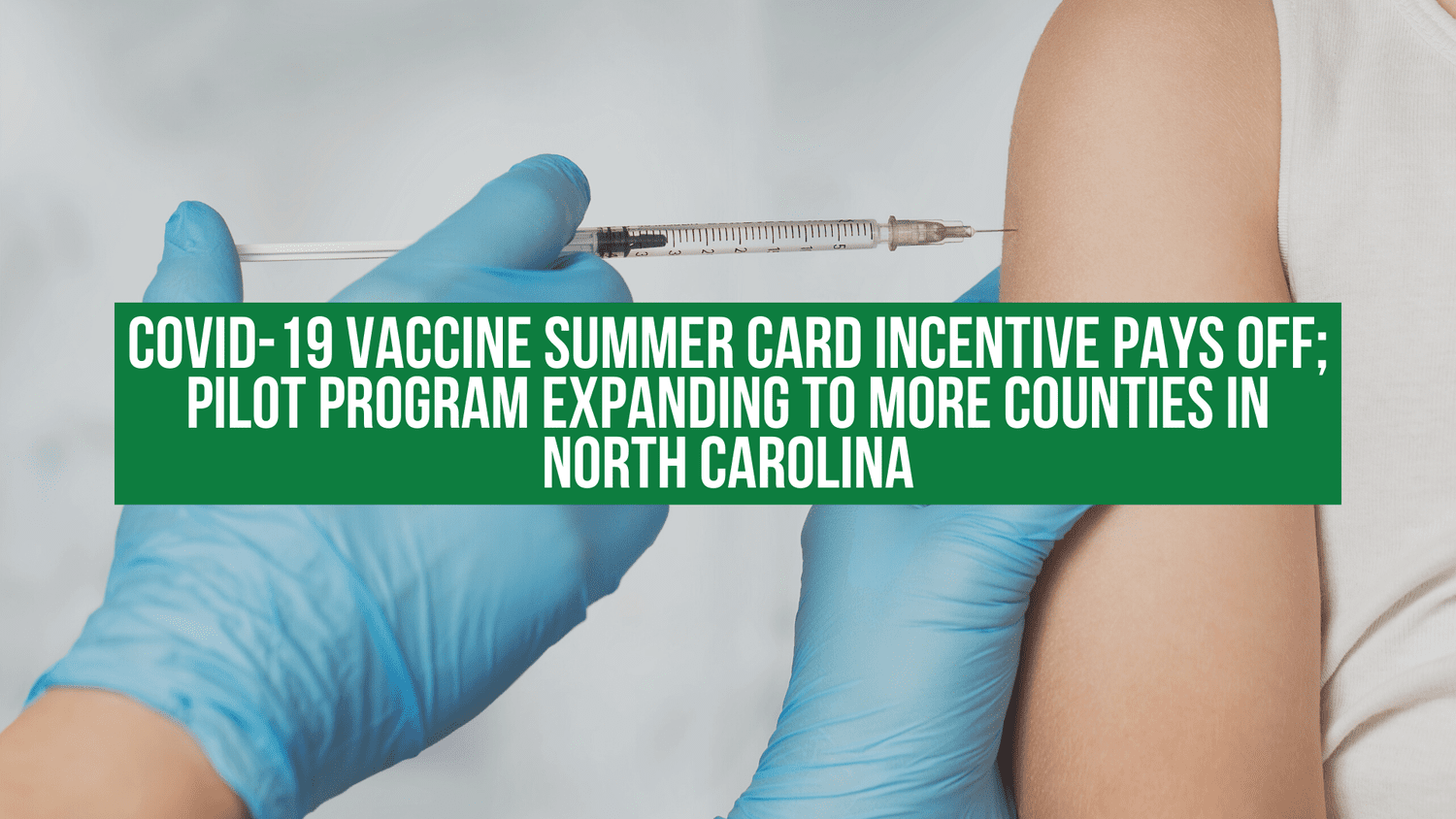
The North Carolina Department of Health and Human Services is expanding the number of locations providing $25 Summer Cards to offset the time and transportation costs of getting vaccinated. Beginning this week, participating vaccination sites in 38 counties will offer the cards to anyone 18 and older who gets their first dose of a COVID-19 vaccine — or drives someone to their vaccination.
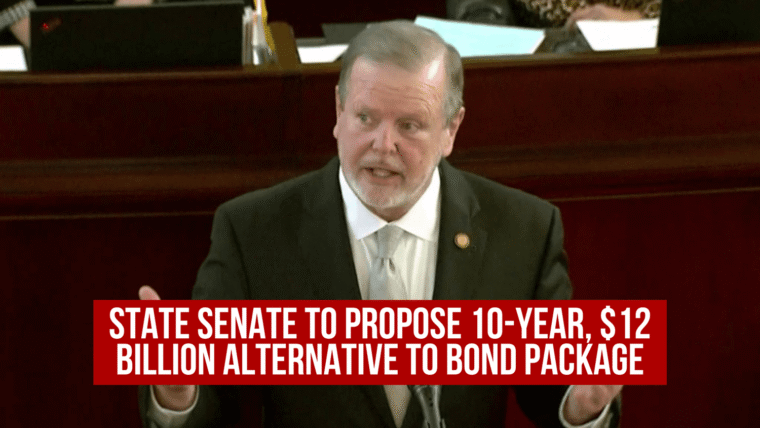
State Senate leaders will propose spending $3 billion over the next two years on capital and infrastructure projects. That money is part of a larger 10-year, $12 billion “cash” plan tied to the Senate’s budget.