A year ago, would you have correctly guessed that meetings of local school boards would be among the most politically charged events of 2021, and that school-board races would be among the most contested of the next election cycle? If so, more power to you. I would have gotten those questions wrong.
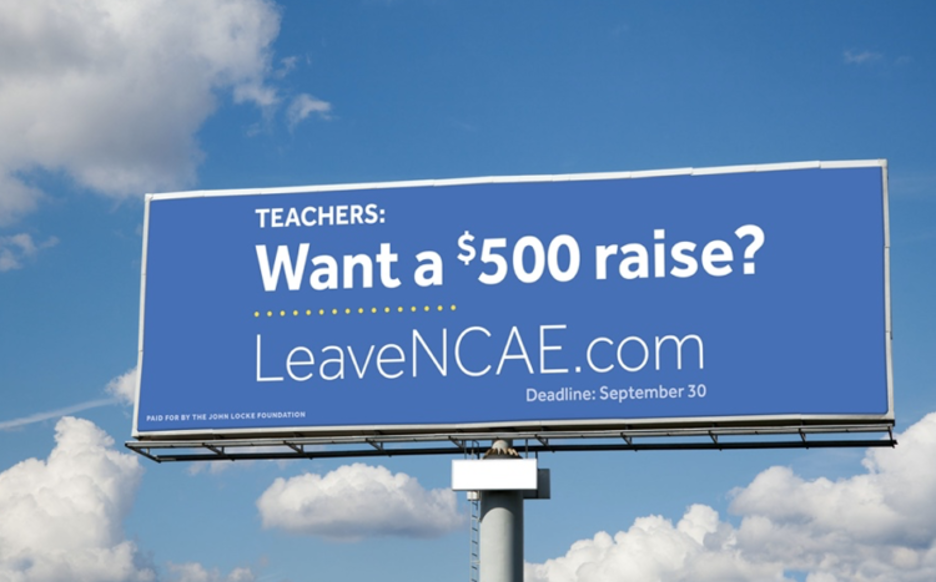
North Carolina’s self-described teachers’ union still has clout with many Democratic lawmakers in the legislature, but its influence — and popularity — with teachers and everyday North Carolinians appears to be waning.
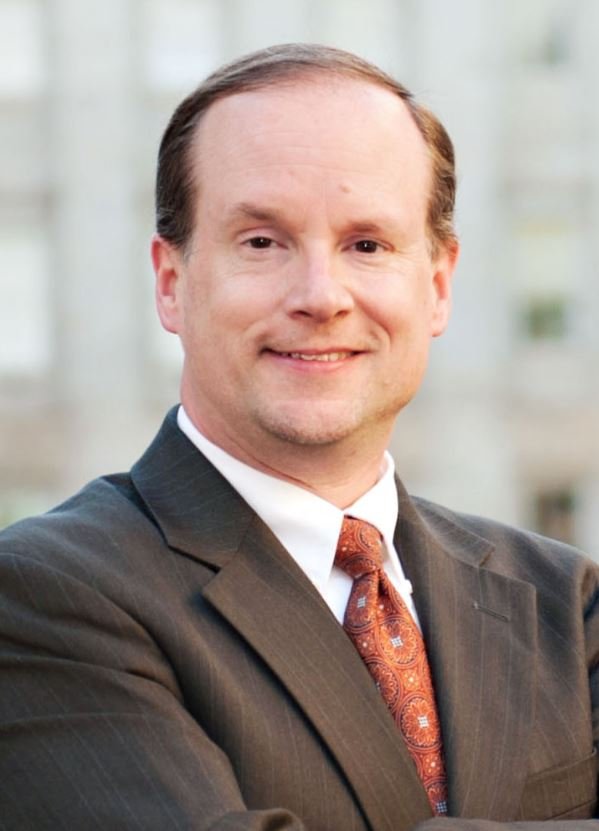
A recent conversation with Nicole Stelle Garnett helped remind this observer about the importance of parental insights. Garnett is John P. Murphy Foundation professor of law at the University of Notre Dame. She’s also an adjunct fellow at the Manhattan Institute. She wrote a recent MI report on accountability in private-school choice.
A Wake County principal has denied a mask exemption request for a kindergartener with disabilities, according to a recorded phone call released by the anonymous parent.
Charlotte-Mecklenburg Schools continues to come under fire for how it has handled allegations from students who say they were sexually assaulted on campus.
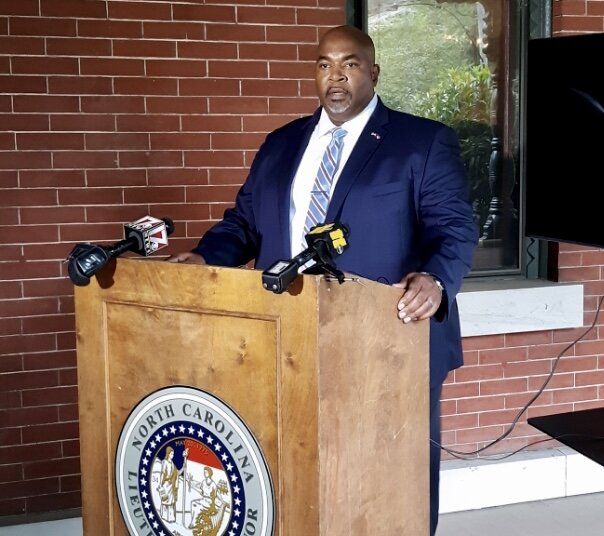
Robinson, in a news conference Tuesday, Oct. 12, said he wants to get books, which he says depicts “filth,” out of some school libraries. Robinson made earlier statements that he wants to remove books such as “George,” “Lawn Boy” and “Gender Queer,” which have sexually explicit content depicting gay and transgender people, from schools across the state.
Closing down school buildings for many months last year — and offering poorly planned and executed virtual schooling as an inadequate substitute — proved to be a disaster for North Carolina children, families, and the education system itself.
Accountability for publicly funded school choice programs should primarily come through parent empowerment, not regulatory overreach. That’s the assessment of a new report from Notre Dame Law School scholar Nicole Stelle Garnett published by the Manhattan Institute.
In response to actions taken by the Union County Board of Education, the North Carolina Department of Health and Human Services issued a letter to the Board’s Chair outlining required COVID-19 control measures all schools in the state must implement to protect student, staff and community health and noting that failure to comply may prompt legal action.
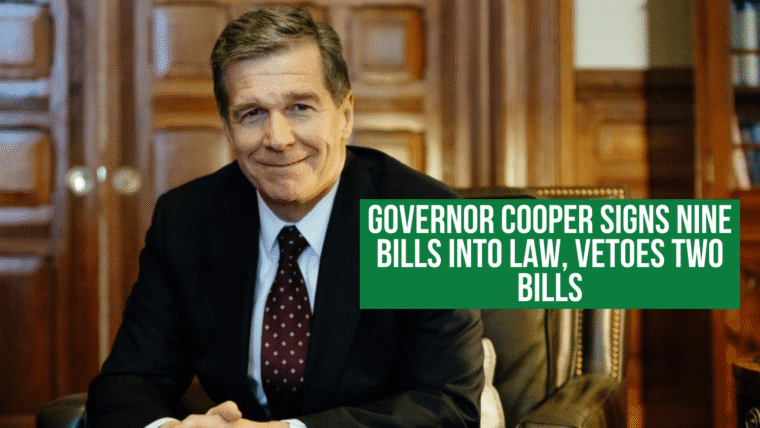
Gov. Roy Cooper has pulled out his veto stamp again to reject bills dealing with public school indoctrination and penalties for rioting. Cooper now has vetoed 10 bills this year and 63 bills since becoming governor in 2017.
Test results in reading, math, and science for the 2020-21 school year show the effects school closures and remote learning have had on public school students in North Carolina.