
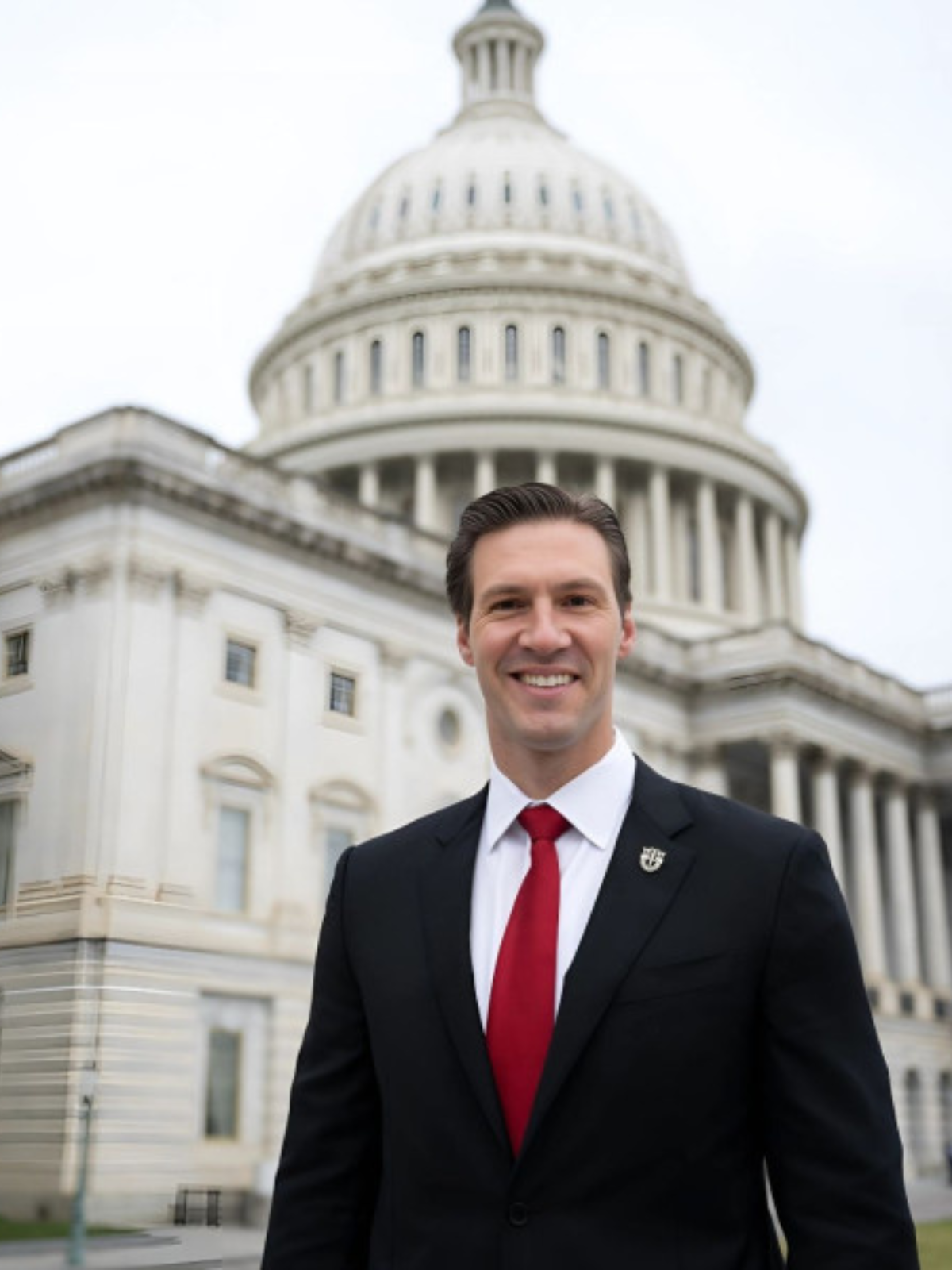
By Congressman Pat Harrigan
For millions of North Carolinians, the biggest obstacle to getting medical care is increasingly simple: finding someone nearby who can provide it.
In rural communities, hospitals are operating on thin margins, medical practices are struggling to replace retiring physicians, and families are driving farther for appointments that once could have been made close to home. When an emergency strikes, the distance between a patient and the nearest available care can have serious consequences.
North Carolina has roughly 3 million rural residents, the second-largest rural population in America. Yet 93 of our 100 counties face primary care shortages, and more than 90 have shortages of mental health professionals. These are staggering numbers for a state with some of the finest medical institutions in the country.
We have the expertise to address these challenges. What rural communities have lacked is a sustained commitment to putting those resources within reach.
That is beginning to change.
Last year, I voted for the Working Families Tax Cuts, which established the $50 billion Rural Health Transformation Program. It was one of the largest federal commitments to rural health care in American history, and North Carolina has already been awarded more than $213 million for the program’s first year.
Now we are seeing where those dollars are headed.
The Trump administration recently announced $20 million to expand telehealth and modernize health care technology across North Carolina. For smaller hospitals and medical practices, that means opportunities to replace outdated systems, improve patient records, strengthen cybersecurity, and connect people with specialists they might otherwise have to travel hours to see.
Additional investments are targeting some of the most difficult gaps in rural care. More than $17 million has been announced for behavioral health services, including three new mental health clinics, expanded opioid treatment in five counties, and mobile crisis teams in six more. The administration has also announced funding to strengthen rural emergency medical services and expand access to care through schools.
Consider the practical difference. A patient in Yadkin County who needs a specialist may be able to receive care closer to home. A family struggling to find mental health treatment may have another local option. An emergency medical service operating with limited resources may be better equipped to respond when minutes matter.
These are the kinds of improvements rural North Carolinians have been waiting for.
But money for equipment and facilities only gets us so far. One of the most serious problems facing rural health care is the shortage of people available to deliver it.
A modern clinic cannot treat patients without a physician. New technology cannot replace a nurse. And a community cannot maintain dependable health care when it struggles year after year to recruit medical professionals.
I recently introduced the REACH Act to address that problem directly. My legislation would provide a refundable $10,000 annual tax credit to eligible doctors, nurses, mental health professionals, and medical residents who choose to work in rural communities.
The goal is to make practicing medicine in a small town a more financially attractive decision. Medical professionals often graduate with significant educational expenses, and rural practices must compete with larger health systems for their services. Giving those professionals a meaningful incentive to serve underserved communities can help close that gap.
This is how I believe we should approach rural health care in Congress: invest in the infrastructure communities need while addressing the workforce shortages that prevent patients from receiving care. Both problems demand attention, and progress on one makes the other more achievable.
The politics surrounding these investments also deserve some clarity. Every congressional Democrat voted against the Working Families Tax Cuts, the legislation that created the Rural Health Transformation Program. Yet Governor Josh Stein recently announced a $20 million rural health initiative funded through that very program.
I welcome the announcement. North Carolina should make full use of every available resource to strengthen rural health care. But it’s important to be clear about the legislative record: Congressional Republicans passed the law that established this $50 billion investment, and the funding now being announced is a direct result of that vote.
Of course, securing federal funding is only the beginning. The real measure of success will be whether a rural hospital can keep its doors open, whether a young doctor chooses to practice in a small town, and whether a family can get the care it needs without spending half a day on the road.
Those outcomes require more than a single appropriation or announcement. They require thoughtful investments, a stronger medical workforce, and accountability for how public dollars are spent.
I was proud to help establish the Rural Health Transformation Program, and I’m working to build on that investment through my REACH Act. North Carolina now has a significant opportunity to strengthen health care in communities that have spent far too long falling behind.
The funding is in place. The work is underway. Now our responsibility is to turn those investments into better care for the North Carolinians who need it.