RALEIGH – The UNC System has adopted rules limiting how its campuses use automatic license-plate readers, setting new requirements for data retention, security and outside access.
The regulation was adopted Oct. 27 and takes effect Dec. 1. Institutions already operating the systems must comply by Jan. 1, 2027. Adoption does not establish that every campus has already implemented the safeguards.
The Assembly reported the change Oct. 28 amid scrutiny of how police use the technology. System spokesperson Andy Wallace told the outlet the regulation was intended to establish consistent guardrails while preserving a public-safety tool.
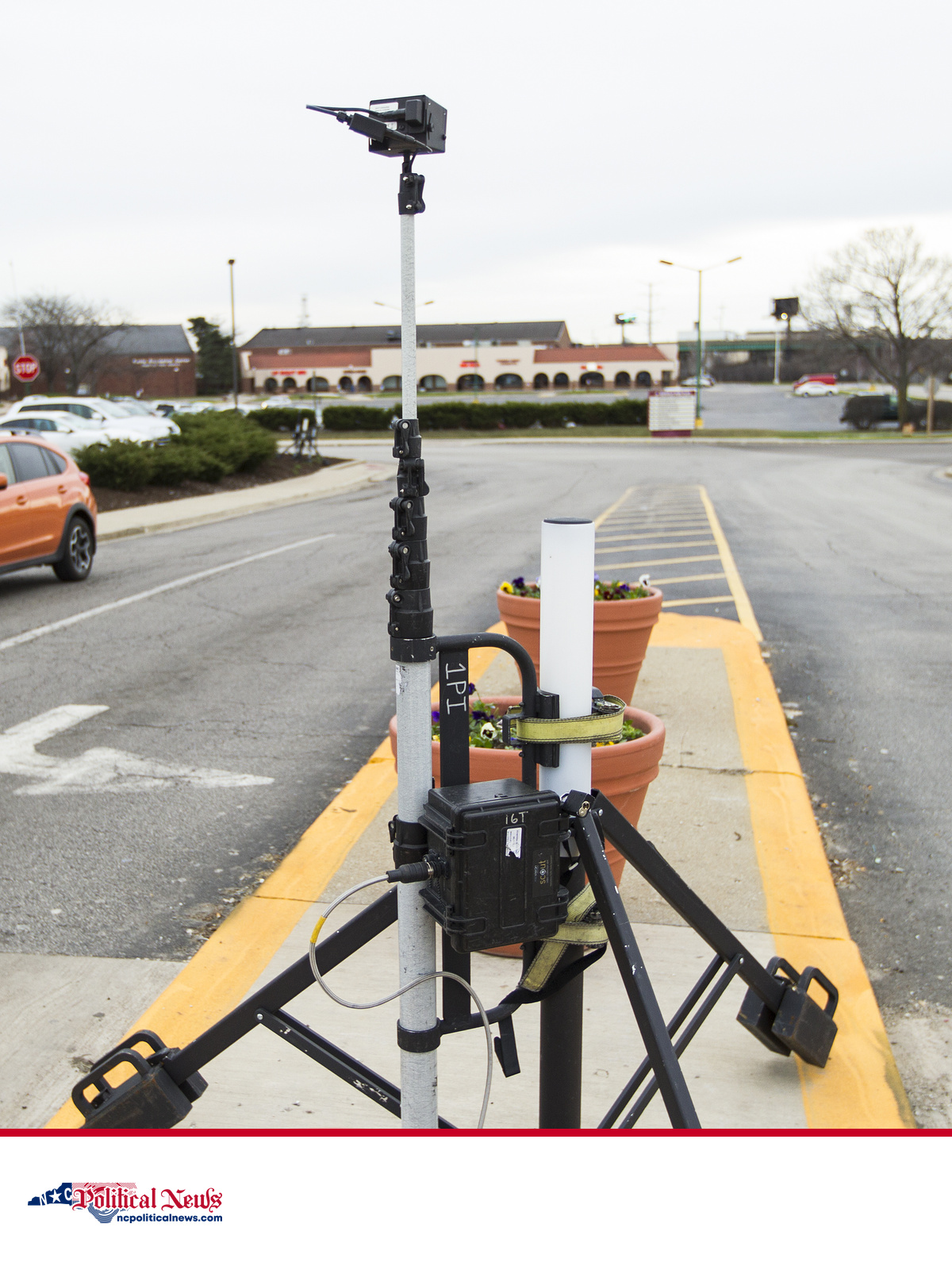
License-plate readers photograph passing vehicles and make the resulting information searchable. The Assembly reported that several UNC campuses use Flock systems and that concerns about access by other police agencies have prompted changes at individual universities.
Under the new regulation, use must serve a documented law-enforcement purpose. It bars traffic enforcement, indiscriminate searches and monitoring based solely on protected characteristics or lawful expression. Tracking attendance at political, religious, labor or social events requires a documented law-enforcement purpose.
Routine data must be deleted within 30 days, subject to qualifying legal preservation requirements. Access is restricted to trained users, and systems must maintain activity logs and use security controls, including multifactor authentication.
The policy also sets conditions for sharing data outside a campus police agency. Out-of-state access must be time-limited and approved by a campus official reporting directly to the chancellor. Bulk access requires a written agreement and additional safeguards; the regulation does not authorize unrestricted sharing.
Campuses must investigate suspected misuse and maintain oversight and training. The new standards apply to institutions using these systems through campus law enforcement, not technology that merely controls entry to parking facilities.
The distinction matters as universities review contracts and operating practices before the compliance deadline. The regulation establishes systemwide minimums while allowing stronger lawful protections at individual campuses.
Sources
Photo Credit: File photograph of a portable Miovision license-plate data camera in suburban Illinois, April 12, 2015, by ScottMLiebenson, via Wikimedia Commons (CC BY-SA 3.0). Cropped and resized; photographic adaptation licensed CC BY-SA 3.0. Context image, not a UNC campus, Flock installation or the October 2026 policy announcement.
Editor’s Note: This article was drafted with the assistance of artificial intelligence and was reviewed and fact-checked by a member of the NC Political News editorial team before publication.